

Cecropia Moth
Hyalophora cecropia
The Cecropia Moth is one of the largest moths in North America! Its colorful wings can be red, yellow, and brown.
Habitat: Forests and woodlands
The Cecropia Moth is North America's largest native moth, featuring striking reddish-brown wings with wavy white bands. Its hindwings have distinctive orange-red eyespots outlined in black, making it easily recognizable from other large moths.
Category
InsectsRarity
Rare
Danger
2/5 · Low
Snaps
2
Adult Cecropia Moths only live for about two weeks because they can't eat!
It's the biggest native moth in North America, with wings as wide as your hand!
Its caterpillar can grow as big as a hot dog, covered in colorful spikes!
Males have giant feathery antennae that can smell a female moth from miles away!
Cecropia Moths have feathery antennae that can detect female pheromones from miles away, helping males find a mate.
The Cecropia Moth caterpillar can spin a tough, silk cocoon, providing a safe, insulated home for its transformation.
Adult Cecropia Moths do not eat, relying on energy stored from their caterpillar stage to reproduce before their short life ends.
Adults don't eat, but the big caterpillars love munching leaves from many different trees and shrubs.
Age differences: Adult moths do not eat at all, focusing solely on reproduction and have no working mouthparts.
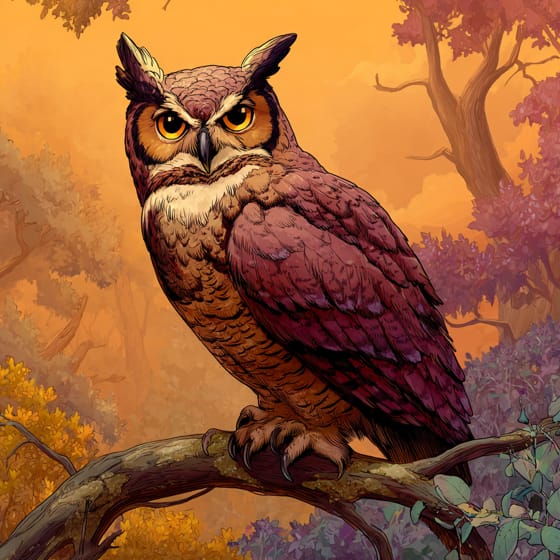
Bubo virginianus
Owls hunt adult moths at night.
Compsilura concinnata
This invasive fly lays eggs on caterpillars, causing harm.
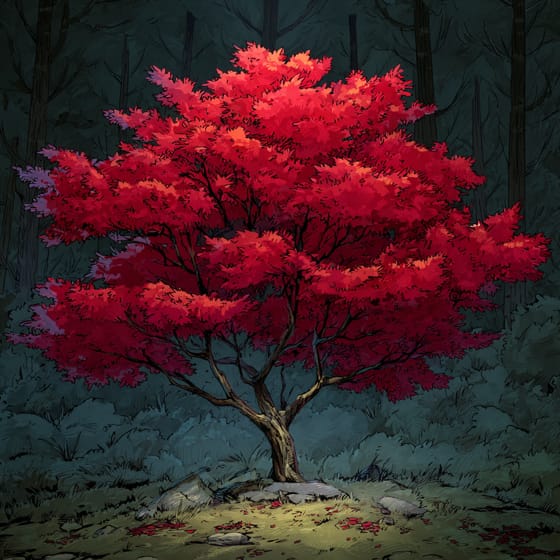
Acer rubrum
Caterpillars feed on its leaves to grow large.
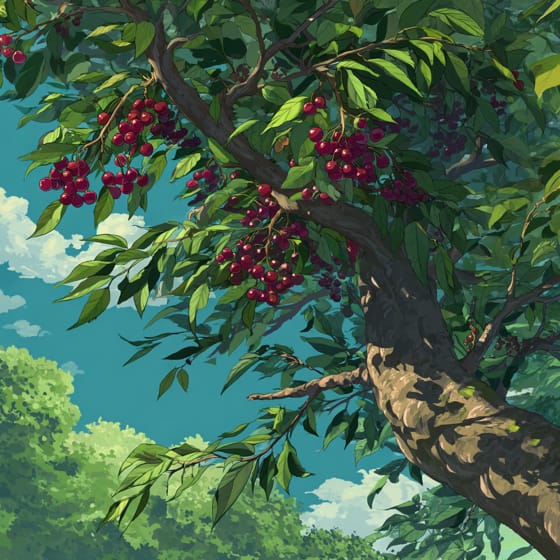
Prunus serotina
Caterpillars also enjoy munching these leaves.
Colorful describes organisms or objects displaying a wide range of bright and distinct colors.
This trait characterizes organisms whose diet consists entirely or primarily of plant material.
Describes a relationship between two different species where they live in close association, often benefiting one or both.
Forest habitats are terrestrial environments dominated by dense tree cover, supporting a high diversity of plant and animal life.

Describes a species whose presence and role have a disproportionately large effect on its environment.

Giant describes organisms or objects of significantly larger size than average for their species or type.

Nocturnal animals are primarily active during the nighttime hours, typically resting or sleeping during the day.

Describes organisms that transfer pollen, enabling the fertilization and reproduction of plants.
Danger
2/5 · Low
Do not touch or pick up. Some insects sting or bite. Ask an adult for help.
130-160 mm
50-70 mm
7-14 days
20 km/h
Adults don't eat, but the big caterpillars love munching leaves from many different trees and shrubs.
Forests and woodlands
Foraging
6
Zoom in to split clusters and explore where this object has been snapped.