Sugar Maple
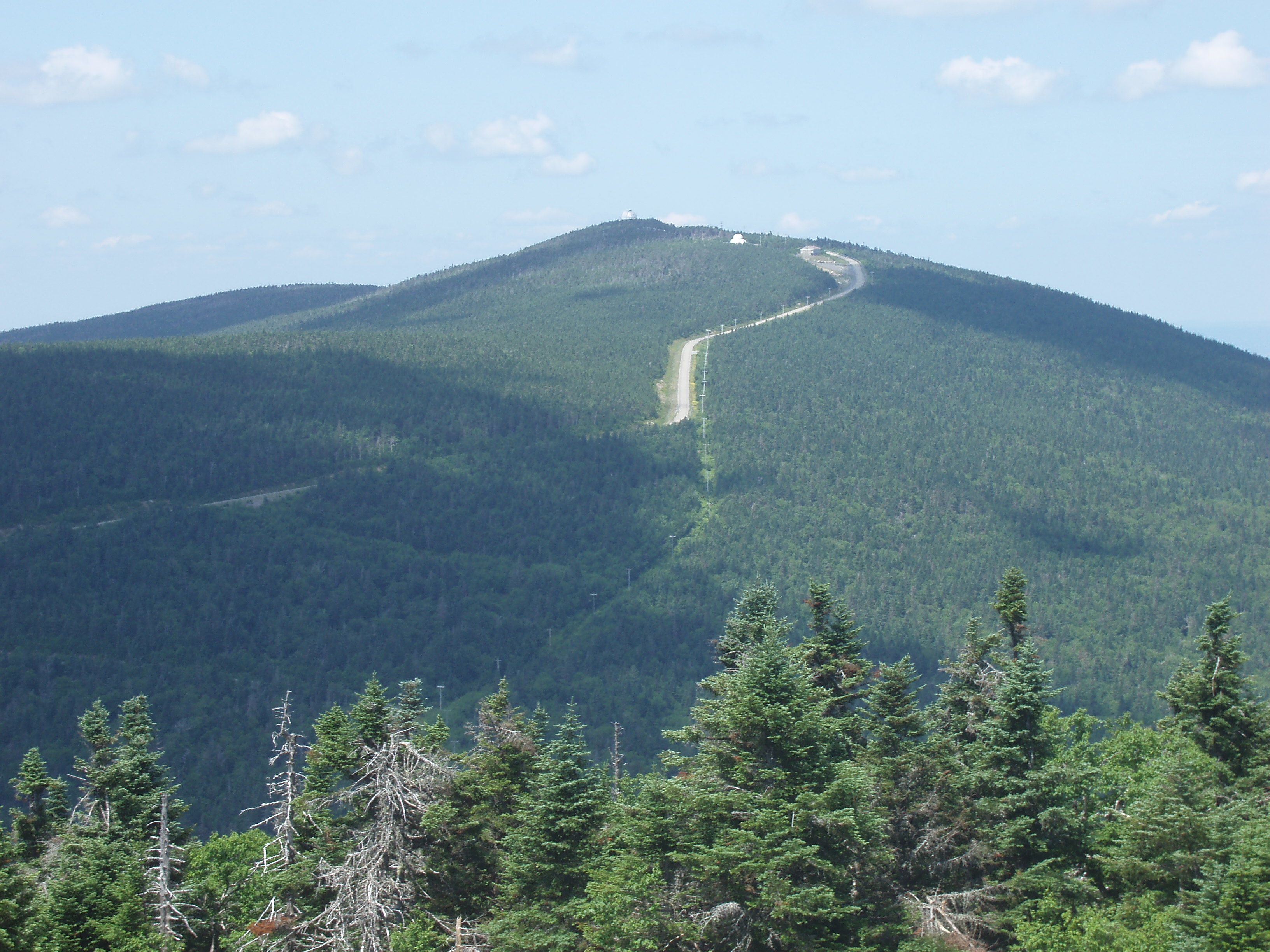
Nestled in the heart of Quebec's Eastern Townships, Parc national du Mont-Mégantic offers an extraordinary escape where Earth meets the cosmos.
Nestled in the heart of Quebec's Eastern Townships, Parc national du Mont-Mégantic offers an extraordinary escape where Earth meets the cosmos. This remarkable provincial park is not just a haven for outdoor enthusiasts but also proudly holds the distinction of being the world's first International Dark Sky Reserve. Visitors are invited to explore a unique blend of pristine natural landscapes and cutting-edge astronomical discovery, making it a truly unparalleled destination. From its towering peaks to its star-studded nights, the park provides an enriching experience that harmonizes nature and science.
The park is divided into two main sectors, Observatoire and Franceville, each offering distinct yet equally captivating experiences. Hikers can ascend Mont Mégantic (1,110 m) and Mont Saint-Joseph (1,075 m) via a network of over 60 kilometers of trails, enjoying panoramic vistas and observing a diverse forest landscape that transitions from sugar maple and yellow birch at lower elevations to balsam fir and red spruce in higher regions. Keep an eye out for wildlife such as the majestic White-tailed Deer and the nimble American Red Squirrel, or the vibrant Canada Jay and other boreal bird species. At the Observatoire sector, the ASTROLab and the Observatoire du Mont-Mégantic stand as beacons of scientific exploration, offering public access to the wonders of the universe.
Parc national du Mont-Mégantic is a four-season destination, promising adventure and awe no matter when you visit. Whether you're chasing the vibrant hues of autumn foliage, embracing the serene snow-covered trails in winter, or gazing at the Milky Way on a clear summer night, this park leaves a lasting impression. It’s a place where the grandeur of nature and the mysteries of the universe converge, offering memorable experiences for families, hikers, and stargazers alike. Wondering what that bird or insect is? Find out on your visit using the Snappit nature app.
Parc national du Mont-Mégantic was established in 1994, created to protect the unique geological, faunal, and floral characteristics representative of the frontier mountains natural region. Its establishment was also driven by the crucial need to safeguard the dark skies of the region, leading to its designation as the world's first International Dark Sky Reserve. This protected status allows for both the preservation of its rugged landscapes and the continuation of important astronomical research and public education at facilities like the ASTROLab and the Observatoire du Mont-Mégantic, which houses Canada's most powerful telescope.
Hiking and Trail Running: Over 60 km of trails across varying difficulty levels, leading to peaks and viewpoints. Popular trails include the "Trois-Sommets" (Observatoire sector) and "Sentier des Cimes" (Franceville sector).
Astronomy Evenings: Participate in stargazing events and learn about the universe at ASTROLab.
Wildlife Observation: Look for White-tailed Deer, American Red Squirrel, Canada Jay, and many other bird species.
Winter Sports: Snowshoeing, cross-country skiing, fat biking, and sledding are popular during the colder months.
Nature Interpretation: Guided talks and activities with naturalists.
Summer: Peak season for astronomy events and hiking. Observatory is accessible by vehicle.
Autumn: Ideal for hiking with vibrant fall colors and fewer bugs.
Winter: The park transforms into a winter wonderland; trails are open for snow sports. Astronomy evenings at ASTROLab continue.
Spring: Some trails may be closed during spring thaw; check conditions beforehand.
Electric vehicle charging stations are available at both the Observatoire and Franceville sectors. While many trails exist, it's advisable to check specific trail conditions and accessibility for individuals with mobility challenges. Some easy trails are available.
An astronomy activity center with a multimedia room, exhibition hall, and virtual reality experiences.
Home to Canada's most powerful telescope, offering guided tours (seasonal).
Unparalleled stargazing opportunities.
Accessible via hiking trails, offering breathtaking views.
Each card links to a full Explore page with photos, traits, and fun facts.
Start with the big picture, then zoom in to explore individual wildlife observations around this place.
Check ASTROLab and Observatory schedules in advance: Astronomy activities, especially observatory tours, often require reservations and can be weather-dependent.
Dress in layers, even in summer
Mountain weather can change rapidly, and evenings can be cool, especially for stargazing.
Bring a red-light headlamp for night activities: To preserve night vision and the dark sky environment, white lights are discouraged during astronomy events.
Know the sector differences
The Observatoire sector is the main hub for astronomy and challenging hikes, while the Franceville sector offers different trails and unique accommodations like EXP. cabins. There is no direct road connecting them, so plan driving time accordingly.
Stay on marked trails
This protects the delicate ecosystem and ensures your safety, especially where species like pearly everlasting and painted trillium might be found.
Pack water and snacks
Especially for longer hikes to Mont Mégantic or Mont Saint-Joseph, as facilities might be limited on trails.
Dec 13, 2025
Nov 19, 2025
Oct 11, 2025
Oct 11, 2025
Oct 5, 2025

Maryland, US
You might spot White-Tailed Deer and Eastern Gray Squirrel.
View guide →
.jpg)
District of Columbia, US
You might spot Eastern Gray Squirrel, Duck, and House Sparrow.
View guide →

Illinois, US
You might spot American Robin, Canada Goose, and House Sparrow.
View guide →

Virginia, US
You might spot Spotted Lanternfly and Northern Cardinal.
View guide →
Take the discovery with you
Identify the wildlife you spot, learn as you go, and keep a collection of the adventure.