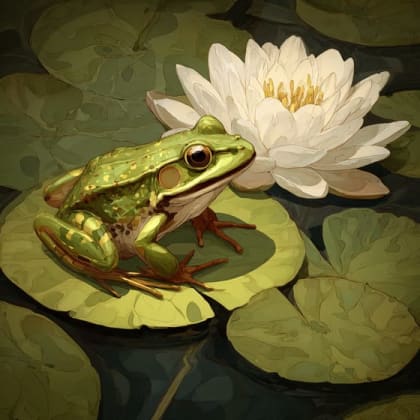



Green Frog
Lithobates clamitans
The Green Frog is a lively little creature! They love to hop around and enjoy warm weather.
Habitat: Ponds and lakes
The Green Frog has green to brownish skin with irregular dark spots, often brighter green on its head and shoulders. A prominent ridge of skin, called dorsolateral folds, runs down its back. Its large eardrum (tympanum) is noticeably larger than its eye, especially in males.
Category
AmphibiansRarity
Common
Danger
2/5 · Low
Snaps
283
A Green Frog can snatch prey with its super-fast sticky tongue in less than a second!
Baby Green Frogs, called tadpoles, can take up to two years to turn into frogs!
Males 'sing' loudly from ponds to attract mates and warn other frogs to stay away.
They spend winter buried in mud at the bottom of ponds, slowing their body right down!
Green Frogs can launch themselves up to one meter because of their powerful hind legs that help them escape predators.
Green Frogs have varied skin colors and patterns that help them blend perfectly into their watery habitats.
Green Frogs can breathe through their skin underwater because it helps them absorb oxygen without surfacing.
Adult Green Frogs eat small critters, while their tadpoles munch on tiny plants and algae.
Age differences: Tadpoles are primarily herbivorous or detritivorous, eating algae and decaying plant matter, while adults are carnivorous.
Lithobates catesbeianus
Larger bullfrogs will prey on Green Frogs.
Thamnophis sirtalis
These snakes actively hunt frogs near water bodies.
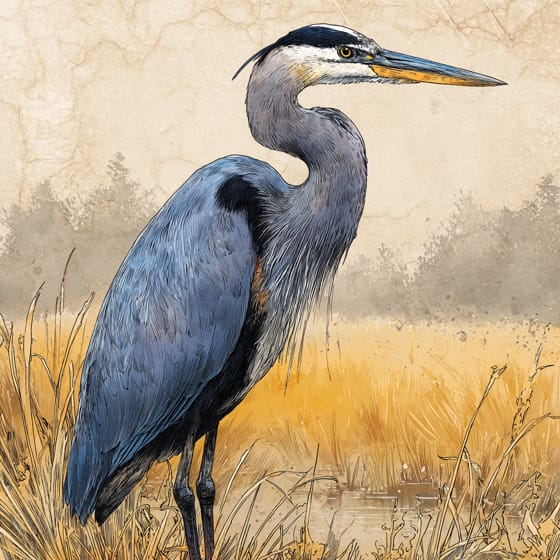
Ardea herodias
Herons are major predators of adult and juvenile frogs.
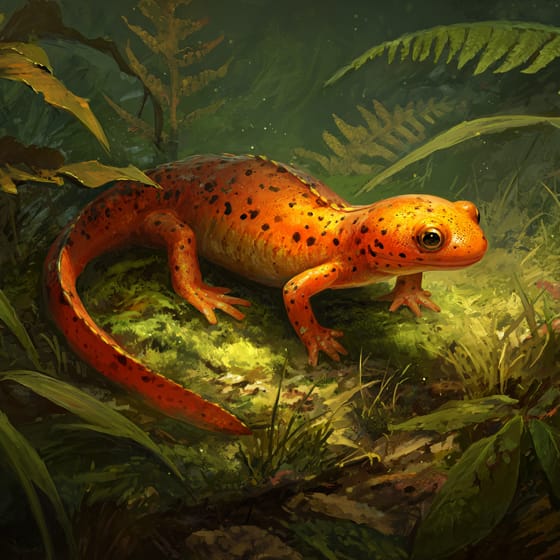
Notophthalmus viridescens
Newt larvae and adults often eat Green Frog tadpoles.
Wildlife encompasses all undomesticated animal and plant life existing in their natural habitats.
Characterized by having toes connected by a membrane, typically aiding in swimming.
This trait identifies organisms whose diet primarily consists of insects and other small invertebrates.
Diurnal animals are primarily active during daylight hours, typically resting or sleeping at night.

Freshwater habitats include non-saline aquatic environments such as rivers, lakes, ponds, and wetlands, vital for numerous species.
Danger
2/5 · Low
Look but don’t touch. Keep a safe distance and wash hands after exploring.
5-12 cm
0.015-0.09 kg
3-6 years
8 km/h
Adult Green Frogs eat small critters, while their tadpoles munch on tiny plants and algae.
Ponds and lakes
Ambush
1000-7000
Zoom in to split clusters and explore where this object has been snapped.
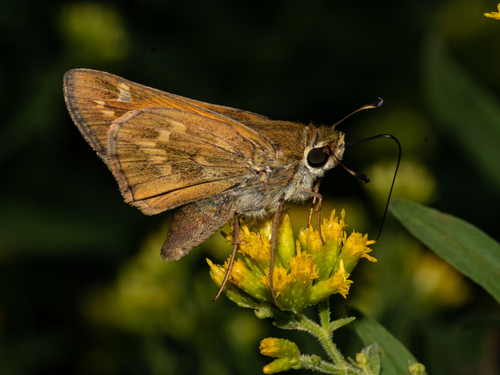
New Jersey, US
You might spot Huron Skipper, Great Blue Heron, and American Robin.
View guide →

Quebec, CA
You might spot Groundhog, Ring-Billed Gull, and Eastern Gray Squirrel.
View guide →
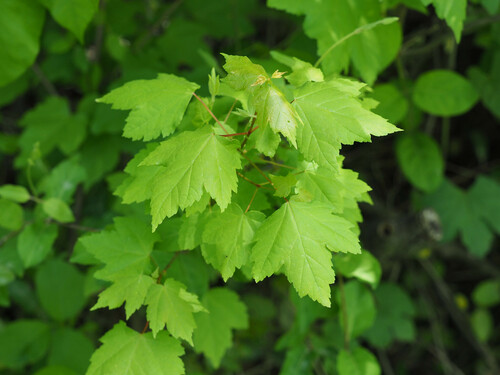
Virginia, US
You might spot Red Maple, Spotted Lanternfly, and Northern Cardinal.
View guide →

Ohio, US
You might spot American Robin, White-Tailed Deer, and Peregrine Falcon.
View guide →
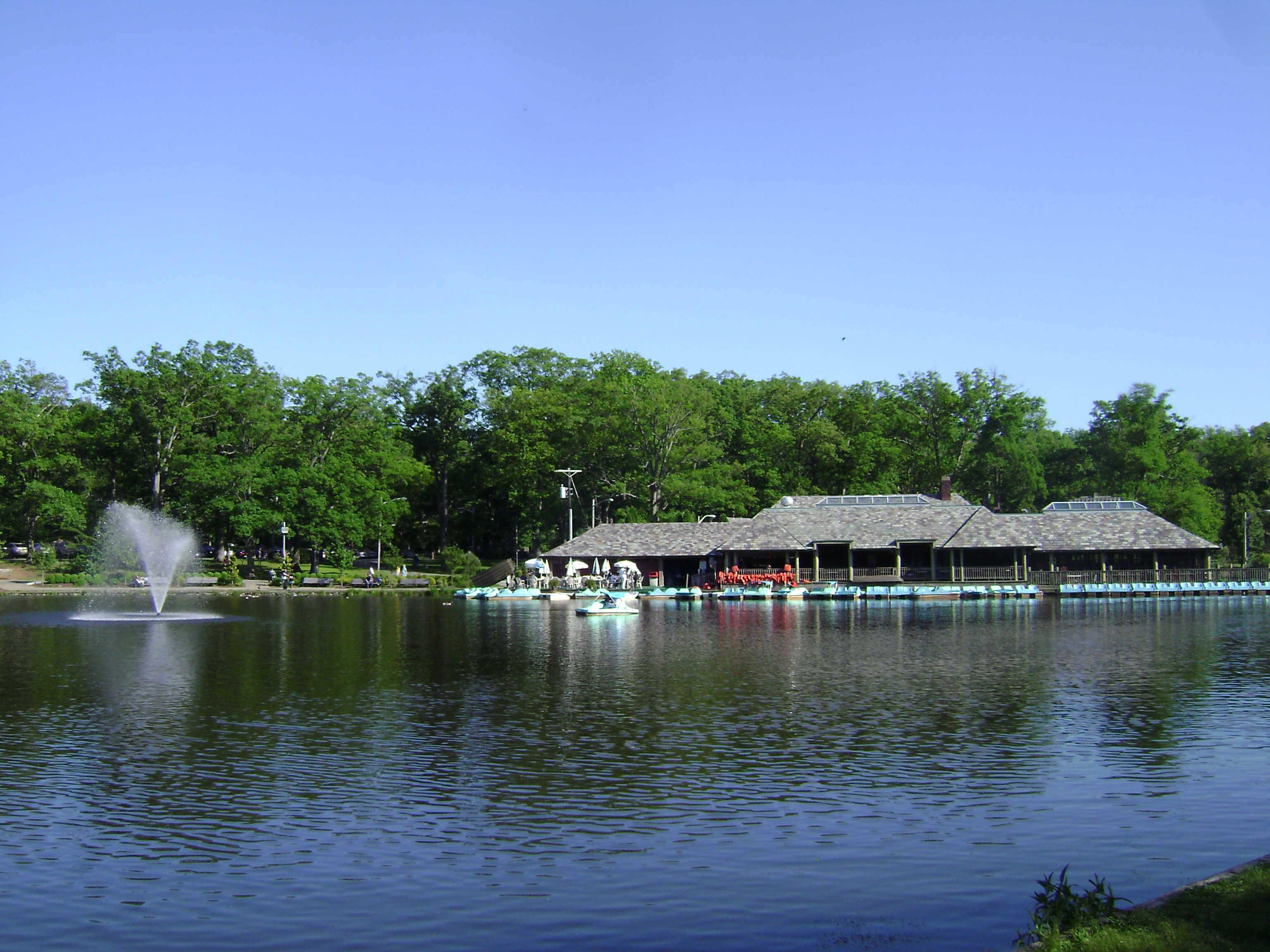
New Jersey, US
You might spot White-Tailed Deer, Canada Goose, and Red-Winged Blackbird.
View guide →
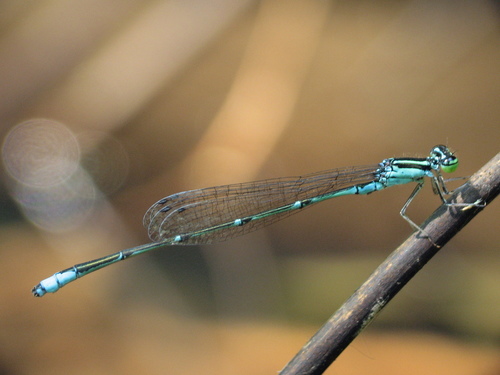
New York, US
You might spot Stream Bluet, Variable Dancer, and Eastern Pondhawk.
View guide →