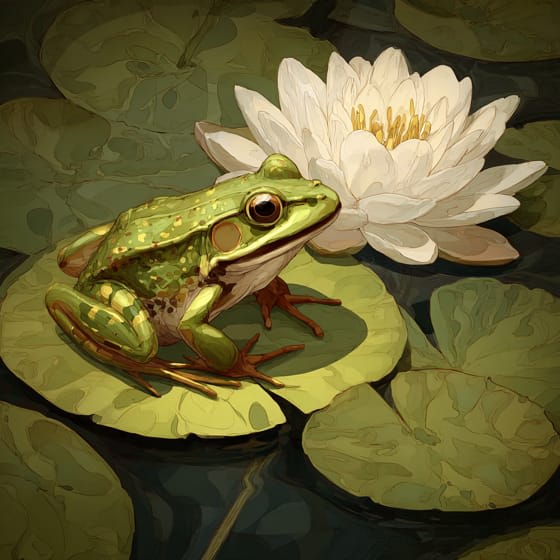





Frog
Anura
Frogs are amazing jumpers that live in ponds, lakes, and forests. They have smooth, moist skin and big eyes to see well in the dark.
Habitat: Ponds, Lakes, Forests
The Frog has smooth, moist skin that can be vibrant green, brown, or mottled, helping it blend into its environment. It features large, bulging eyes and powerful, muscular hind legs adapted for leaping. Unlike toads, its skin is typically sleek and lacks warts.
Category
AmphibiansRarity
Common
Danger
1/5 · Very low
Snaps
Be the first to snap!
Frogs blink to swallow; their eyeballs help push food down their throat!
Not all frogs croak; some whistle, chirp, or even sound like barking dogs!
Some frogs can freeze solid in winter, then thaw out and wake up when warm!
The Goliath frog is the largest, big as a housecat, weighing over 3 kg!
Frog can jump incredibly far because of their powerful hind legs that help them escape predators and catch prey.
Frog has a super sticky, quick-firing tongue that helps them snatch insects and other small creatures with amazing speed.
Frog can breathe and absorb water through its moist skin, which helps them stay hydrated and get oxygen underwater.
Frog can often change or have colors and patterns that perfectly match its surroundings, helping them hide from hungry eyes.
Frogs are insectivores that use their sticky tongues to catch many different types of small creatures.
Age differences: Tadpoles usually eat algae and plant matter, while adult frogs are carnivores.
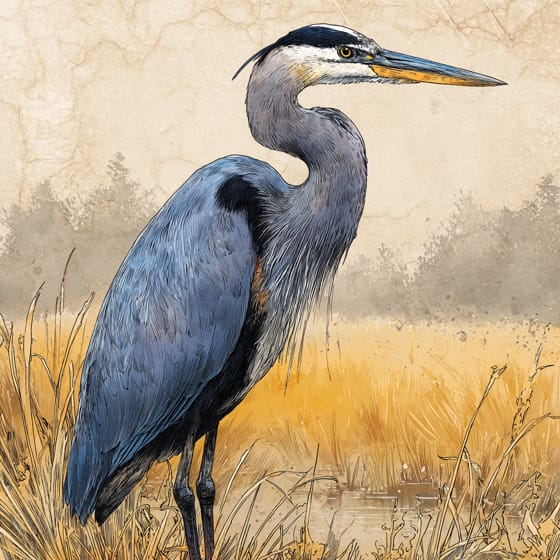
Ardea herodias
Herons are common predators of frogs in aquatic habitats.
Thamnophis sirtalis
Snakes often hunt frogs, especially near water sources.
Culex pipiens
Frogs help control mosquito populations by eating them.
Wildlife encompasses all undomesticated animal and plant life existing in their natural habitats.
Characterized by having toes connected by a membrane, typically aiding in swimming.
Camouflaged describes organisms that possess coloring or patterns that allow them to blend into their environment.
This trait identifies organisms whose diet primarily consists of insects and other small invertebrates.

Freshwater habitats include non-saline aquatic environments such as rivers, lakes, ponds, and wetlands, vital for numerous species.
Regenerative organisms possess the ability to regrow lost or damaged body parts, tissues, or organs.

Nocturnal animals are primarily active during the nighttime hours, typically resting or sleeping during the day.
No aliases listed yet.
Danger
1/5 · Very low
Enjoy watching frogs from a safe distance and never touch them without adult supervision.
The easiest way to identify Frog is to use the Snappit nature identifier app.
2-30 cm
0.005-1.5 kg
3-15 years
7 km/h
Frogs are insectivores that use their sticky tongues to catch many different types of small creatures.
Ponds, Lakes, Forests
Ambush
Zoom in to split clusters and explore where this object has been snapped.
Recent snaps will appear here as new observations are added.

North Carolina, US
You might spot American Alligator, Sturgeon, and Striped Bass.
View guide →
North Carolina, US
You might spot American Alligator, Striped Bass, and Sturgeon.
View guide →

Illinois, US
You might spot Canada Goose, Ring-Billed Gull, and Red-Winged Blackbird.
View guide →

US
You might spot Magellanic Penguin, Sea Otter, and Octopus.
View guide →
Take the discovery with you
Snap it with Snappit to identify it, learn what makes it special, and add the discovery to your collection.








.JPG&width=800)



.jpg&width=800)

