Common Grackle
Quiscalus quiscula
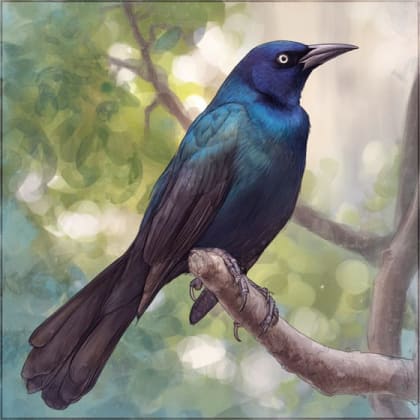
The Common Grackle is a shiny black bird with a long tail. They are known for their beautiful colors and cheerful songs!
Habitat: Fields, parks, and near water
The Common Grackle is a medium-sized songbird with glossy black plumage that shines iridescent purple, blue, or green in sunlight. It has strikingly bright yellow eyes and a long, keel-shaped tail, which helps distinguish it from other blackbirds.
Category
BirdsRarity
Common
Danger
1/5 · Very low
Snaps
46
Common Grackles can crack open hard corn kernels, even without strong beaks like a parrot!
Grackles sometimes steal food from other birds, like robins and sparrows.
Their name "grackle" comes from the Latin word "graculus," meaning jackdaw.
They are one of the most widespread and abundant birds in North America.
Common Grackle can rub ants on its feathers because of chemicals in ants that help them get rid of parasites.
Common Grackle has been observed using bread as bait that helps them catch small fish or insects from water.
Common Grackle has a unique keeled tail that helps them steer and balance expertly while flying.
Common Grackles are adaptable omnivores, eating everything from insects and seeds to fruits and even small animals!
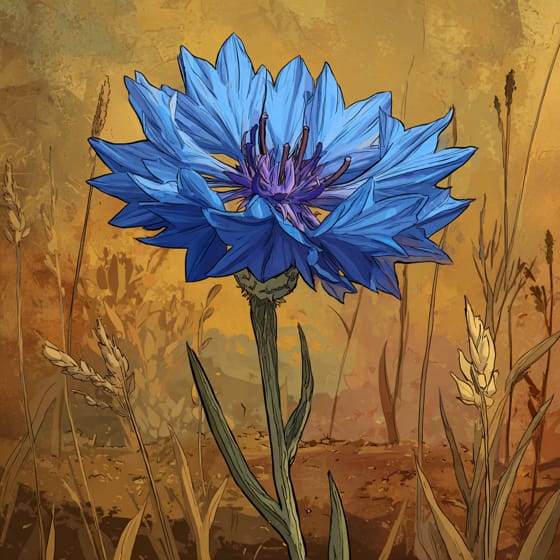
Zea mays
Consumes grains from agricultural fields.
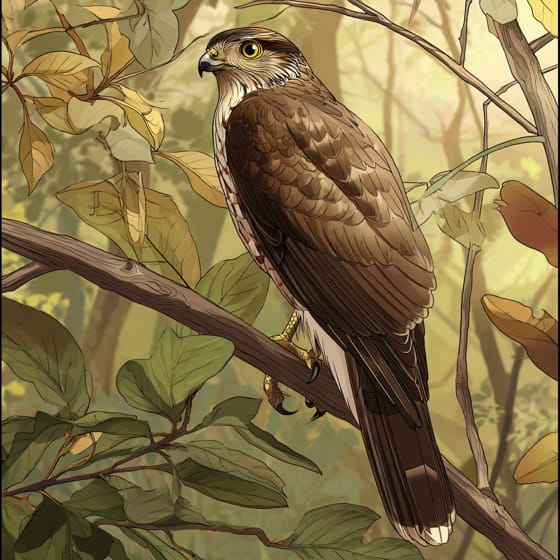
Accipiter cooperii
A common predator hunting adult grackles.
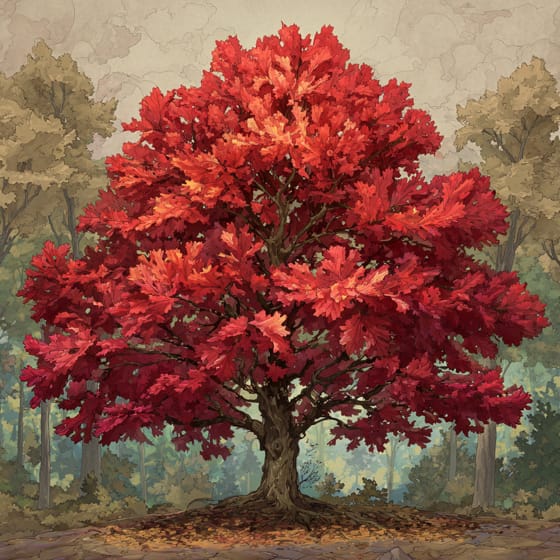
Quercus rubra
Often builds nests in deciduous trees.
Formica fusca
Eats ants and uses them for 'anting'.
Wildlife encompasses all undomesticated animal and plant life existing in their natural habitats.
Feathered describes animals, primarily birds, possessing a covering of feathers.
Social animals live in organized groups, cooperating for survival benefits such as foraging, defense, and raising offspring.
This trait identifies organisms whose diet includes both plant and animal matter.

Singing animals produce complex vocalizations, often for purposes of attracting mates, defending territory, or communicating within their species.

This habitat trait indicates species that can coexist with humans in urban and suburban environments, utilizing man-made structures and green spaces.
Danger
1/5 · Very low
Common Grackles are not dangerous, but it's best to watch them from a distance.
28-34 cm
36-46 cm
0.075-0.142 kg
5-15 years
60 km/h
Common Grackles are adaptable omnivores, eating everything from insects and seeds to fruits and even small animals!
Fields, parks, and near water
Foraging
Zoom in to split clusters and explore where this object has been snapped.

Delaware, US
You might spot Northern Raven, Bee, and Red Panda.
View guide →

New York, US
You might spot Giraffes, Polar Bear, and Red Panda.
View guide →

Maryland, US
You might spot African Lion, Red Fox, and Common Ostrich.
View guide →
Michigan, US
You might spot African Lion, Wolverine, and Giraffes.
View guide →

Pennsylvania, US
You might spot Snake, Cheetahs, and Crocodilia.
View guide →
Ohio, US
You might spot House Sparrow, American Toad, and Mourning Dove.
View guide →