Opossum
Didelphis virginiana
Opossums are marsupials that carry their babies in a pouch. They have a unique defense mechanism where they play dead when scared, fooling predators. Opossums are excellent climbers and help control insect populations.
Habitat: Forests
The Opossum has coarse, grizzled gray fur with a white face and dark, hairless ears. Its long, scaly tail is also mostly hairless, and it possesses pink toes on its front and back feet.
Category
MammalsRarity
Common
Danger
2/5 · Low
Snaps
46
Opossums are almost completely immune to rabies, a very rare and helpful trait.
Opossums eat thousands of ticks, helping to reduce disease-carrying pests.
They have a surprisingly good memory for finding food and avoiding danger spots.
They have opposable thumbs on their back feet for excellent climbing grip!
Opossum can feign death by going limp because it helps them trick predators into thinking they are not a tasty meal.
Opossum has special blood proteins that help them resist venom from dangerous snakes like rattlesnakes.
Opossum has a strong prehensile tail that helps them grip branches and even carry nesting materials when climbing.
Opossums eat almost anything, from fruits and insects to small animals and trash.
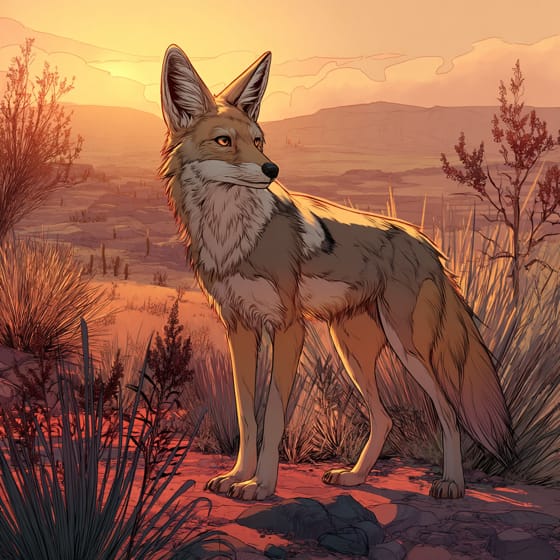
Canis latrans
A common predator of opossums.
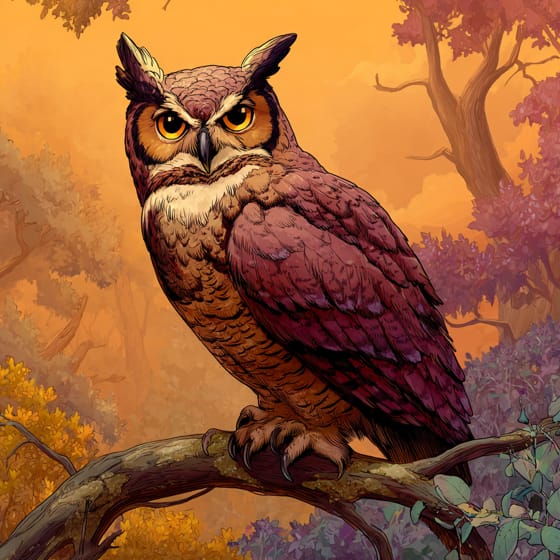
Bubo virginianus
A significant nocturnal bird predator.
Ixodes scapularis
Consumes numerous ticks, helping control populations.
Wildlife encompasses all undomesticated animal and plant life existing in their natural habitats.
Furry describes animals possessing a dense covering of soft hair or fur.
This trait identifies organisms whose diet includes both plant and animal matter.
Arboreal animals live primarily in trees, utilizing them for shelter, food, and protection from predators.

This trait describes organisms that manipulate external objects to achieve a specific goal.

Forest habitats are terrestrial environments dominated by dense tree cover, supporting a high diversity of plant and animal life.

Describes a species whose presence and role have a disproportionately large effect on its environment.

Nocturnal animals are primarily active during the nighttime hours, typically resting or sleeping during the day.
Danger
2/5 · Low
If you see an opossum, admire it from a safe distance. They are shy and prefer not to be approached.
35-50 cm
1.8-6.4 kg
1-4 years
11 km/h
Opossums eat almost anything, from fruits and insects to small animals and trash.
Forests
Foraging
6-9
Zoom in to split clusters and explore where this object has been snapped.

Tennessee, US
You might spot Komodo Dragon, Western Barn Owl, and Snow Leopard.
View guide →

Michigan, US
You might spot African Lion, Komodo Dragon, and Brown Bear.
View guide →

Illinois, US
You might spot White Mulberry, House Finch, and Scissor Grinder.
View guide →
Missouri, US
You might spot African Lion, Allen's Swamp Monkey, and Tiger.
View guide →
New Hampshire, US
You might spot Red-Tailed Hawk, Northern Cardinal, and Chipping Sparrow.
View guide →
Michigan, US
You might spot African Lion, Wolverine, and Giraffes.
View guide →