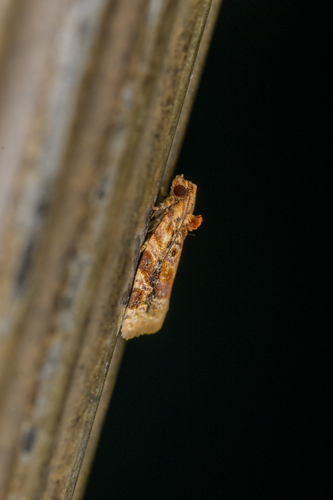




White Tailed Deer

The Sauganash Trail offers a peaceful escape within Chicago's Northwest Side, transforming a former railway embankment into a vibrant green corridor.
The Sauganash Trail offers a peaceful escape within Chicago's Northwest Side, transforming a former railway embankment into a vibrant green corridor. This 11.64-acre linear park, approximately one mile long, is a beloved local gem for recreation and nature appreciation. It provides a smooth, paved surface for various activities, bordered by a soft-surface path, making it accessible and enjoyable for a wide range of visitors. Lined with lush greenery and trees, the trail offers a sense of tranquility, allowing visitors to feel a world away from the bustling city.
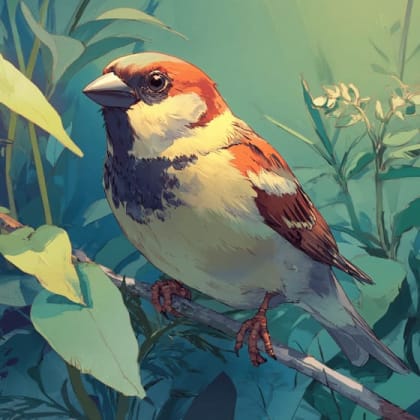
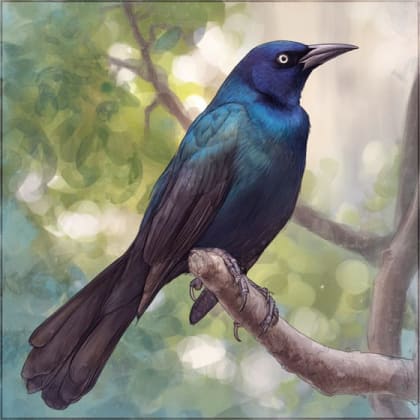
As a wildlife-friendly haven, the Sauganash Trail is home to a surprising array of species. Birdwatchers can delight in spotting Northern Cardinals, House Finches, and Red-winged Blackbirds, while keen observers might catch a glimpse of White-tailed Deer. The trail's edges and surrounding areas host a variety of plant life, including native Illinois bundleflower and butterfly milkweed, which attract pollinators, alongside common urban plants like white mulberry and dandelions. Seasonal blooms of Siberian squill and purple coneflower add splashes of color throughout the year, contributing to the trail's natural charm.
Whether you're seeking a quiet stroll, an invigorating run, or a family bike ride, the Sauganash Trail delivers a memorable experience. Its well-maintained paths and natural surroundings make it a perfect spot to reconnect with nature, observe local wildlife, and enjoy outdoor activities without leaving the city. The trail's community feel and continuous efforts to enhance its natural beauty make it a cherished asset for both residents and visitors looking for a refreshing urban green space. Explore the grounds like a pro—download the Snappit app to instantly identify animals and plants.
The Sauganash Trail officially opened on June 21, 2008, as a "rails-to-trails" conversion, transforming an abandoned railroad embankment into a public recreational path. This project was initiated in the mid-2000s by the Chicago Department of Transportation, with funding from Federal and State grants. A significant part of its development involved the demolition and replacement of unsafe railroad bridges over Peterson and Rogers Park avenues to create safe crossings for trail users. In 2009, the Chicago Park District entered into a lease agreement with the City of Chicago to control and manage the linear park, and it was officially named Sauganash Trail Park in 2013. The name "Sauganash" itself has historical roots, referring to Billy Caldwell, also known as "The Englishman," a Potawatomi chief who played a significant role in mediating treaties between Native Americans and the United States in the early 19th century. The Sauganash neighborhood, through which the trail passes, was developed starting in the early 20th century, with the trail now forming a part of this historic district.
Walk, run, bike, or rollerblade on the trail. Observe local wildlife such as White-tailed Deer and various bird species like Northern Cardinals and House Finches. Appreciate the diverse plant life, including butterfly milkweed and purple coneflower.
Spring: Enjoy blooming Siberian squill and other wildflowers, and observe increased bird activity as migratory species return.
Summer: The lush greenery provides shade. Look for butterfly milkweed and Illinois bundleflower in bloom. Be prepared for warm and humid conditions.
Fall: Experience vibrant autumn foliage and comfortable temperatures for outdoor activities. This is an excellent time for long walks.
Winter: The trail remains accessible, offering a peaceful, snowy landscape. Be prepared for cold and snowy weather conditions.
The Sauganash Trail is easily accessible and well-maintained with a 12-foot-wide paved surface, flanked by 3-foot-wide soft-surface running/walking areas. It has access ramps at Sauganash Park and Thome Street, and is accessible at Bryn Mawr and Devon avenues. The flat nature of the trail also makes it suitable for rollerblading and kids' bikes.
The paved trail itself, with its adjacent soft-surface path, is the main highlight, offering a safe and scenic route for various activities. Two bridges provide safe crossings over busy roads, and the trail is lined with trees and natural plantings. The trail also skirts the eastern edge of Sauganash Park, which offers additional amenities.
Each card links to a full Explore page with photos, traits, and fun facts.










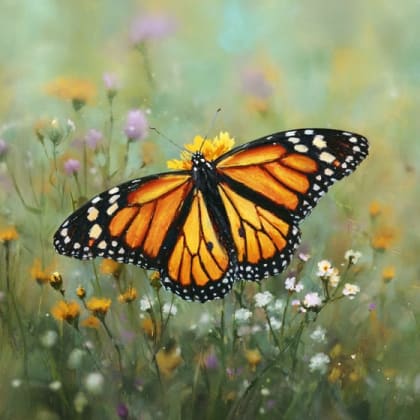













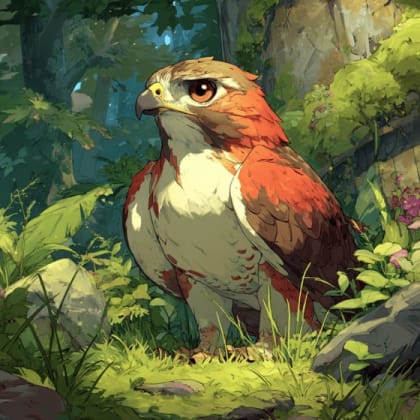









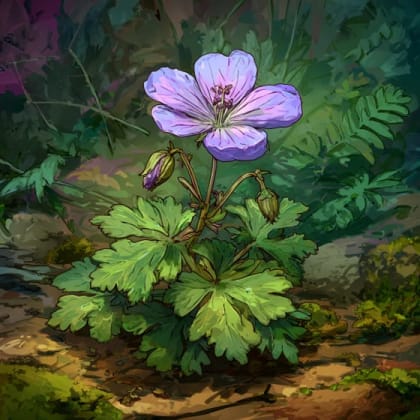














Start with the big picture, then zoom in to explore individual wildlife observations around this place.
Bring water, especially during warmer months, and wear weather-appropriate attire.
Respect the natural habitat and observe wildlife from a distance.
If bringing a dog, ensure it is leashed and remember to bring doggie poop bags.
Parking is available at Sauganash Park off N. Rogers Avenue, and there's also street parking in the vicinity.
Consider visiting in spring or fall for the most pleasant weather and beautiful natural scenery.
Explore the full length of the trail (approximately one mile) or combine it with nearby routes for a longer experience.
Jun 19, 2026
Photo attribution
(c) Becca, some rights reserved (CC BY)
License: CC BY 4.0 ↗
Image may be shown cropped inside the card frame.
Jun 19, 2026
Photo attribution
(c) Becca, some rights reserved (CC BY)
License: CC BY 4.0 ↗
Image may be shown cropped inside the card frame.
Jun 19, 2026
Photo attribution
(c) Becca, some rights reserved (CC BY)
License: CC BY 4.0 ↗
Image may be shown cropped inside the card frame.
Jun 19, 2026
Photo attribution
(c) Becca, some rights reserved (CC BY)
License: CC BY 4.0 ↗
Image may be shown cropped inside the card frame.
Jun 19, 2026
Photo attribution
(c) Becca, some rights reserved (CC BY)
License: CC BY 4.0 ↗
Image may be shown cropped inside the card frame.

Maryland, US
You might spot White-Tailed Deer and Eastern Gray Squirrel.
View guide →
.jpg)
District of Columbia, US
You might spot Eastern Gray Squirrel, Duck, and House Sparrow.
View guide →

Illinois, US
You might spot American Robin, Canada Goose, and House Sparrow.
View guide →

Virginia, US
You might spot Spotted Lanternfly and Northern Cardinal.
View guide →
Take the discovery with you
Identify the wildlife you spot, learn as you go, and keep a collection of the adventure.