Catalpa
Catalpa
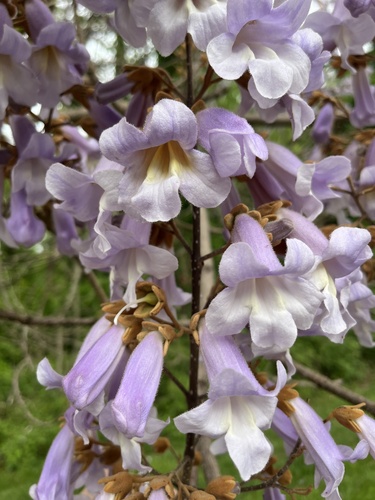
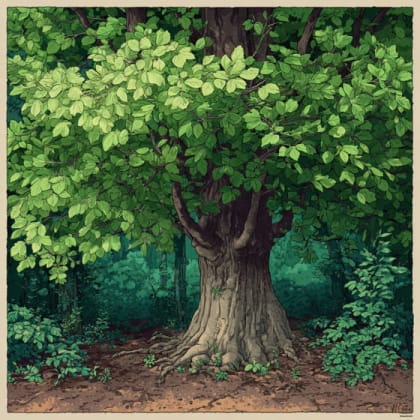
The Catalpa tree has large, heart-shaped leaves and beautiful white flowers. It provides a perfect spot for playing in the shade!
Habitat: Fields and parks
The Catalpa is a medium-sized tree with strikingly large, heart-shaped leaves and showy clusters of white, bell-shaped flowers often spotted with yellow and purple. Its most distinctive feature is the long, slender, bean-like seed pods that can hang from branches all winter.
Category
TreesRarity
Common
Danger
1/5 · Very low
Snaps
Be the first to snap!
Catalpa trees are sometimes called "Cigar Trees" because their long seed pods look just like cigars!
Catalpa wood is naturally resistant to rot, making it great for fence posts and outdoor projects!
Despite looking like beans, Catalpa pods are toxic if eaten by humans or pets.
Its giant heart-shaped leaves can grow over a foot long, making them huge among trees!
Catalpa flowers produce abundant nectar, helping them attract bees and hummingbirds for successful reproduction.
Catalpa's long, persistent seed pods keep seeds safe and disperse them gradually throughout the winter.
Catalpa leaves produce compounds that naturally repel some insect pests, helping it stay healthy.
Manduca catalpae
Larvae feed exclusively on Catalpa leaves.
Apis mellifera
Gathers nectar from abundant Catalpa flowers.
Archilochus colubris
Visits the showy flowers for nectar.
Homo sapiens
Used for ornamental planting, shade, and durable timber.
Deciduous plants periodically shed all their leaves, typically during autumn or dry seasons.
Broadleaf trees are angiosperms characterized by flat, wide leaves that are typically shed annually in temperate climates.
Forest habitats are terrestrial environments dominated by dense tree cover, supporting a high diversity of plant and animal life.
Danger
1/5 · Very low
Do not pick or eat anything you find. Some plants and mushrooms can be harmful.
10-25 m
10-15 m
No
60-120 cm
50-100 years
Fields and parks
Long bean-like pods
Fast
Zoom in to split clusters and explore where this object has been snapped.
Recent snaps will appear here as new observations are added.