



Redwood
Sequoia sempervirens
Redwoods are giant trees that can grow very tall and live for thousands of years. They have thick, reddish-brown bark and soft, needle-like leaves that stay green all year round.
Habitat: Forests
The Redwood is an incredibly tall, majestic tree with thick, furrowed reddish-brown bark that can appear cinnamon-colored. Its small, dark green needle-like leaves form a dense, conical crown high above the ground.
Category
TreesRarity
Common
Danger
1/5 · Very low
Snaps
23
Redwood forests store more carbon dioxide than any other forest on Earth!
Redwoods are Earth's tallest living things, taller than a 30-story skyscraper!
Some Redwood trees can drink hundreds of gallons of water every day!
Their mighty trunks can weigh more than 10 large elephants combined!
Redwood has extra-thick, fibrous bark that helps it survive wildfires by insulating its vital tissues from heat.
Redwood can absorb moisture directly from coastal fog through its needles, helping it thrive in drier periods.
Redwood can sprout new trees from its roots or fallen trunks, allowing it to regenerate even after major damage.
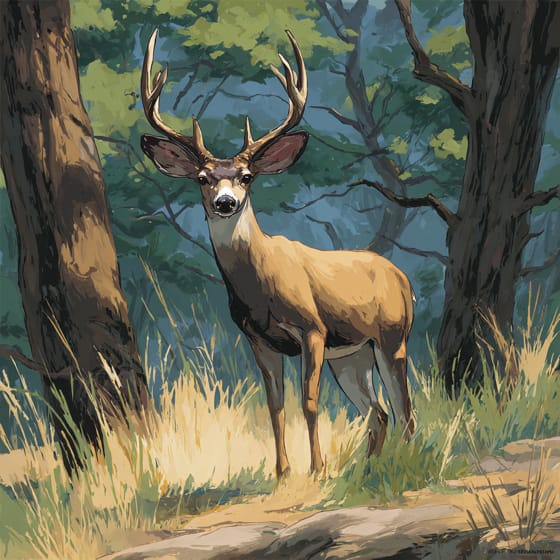
Odocoileus hemionus
browses on young Redwood seedlings

Sciurus griseus
nests in branches and eats its seeds
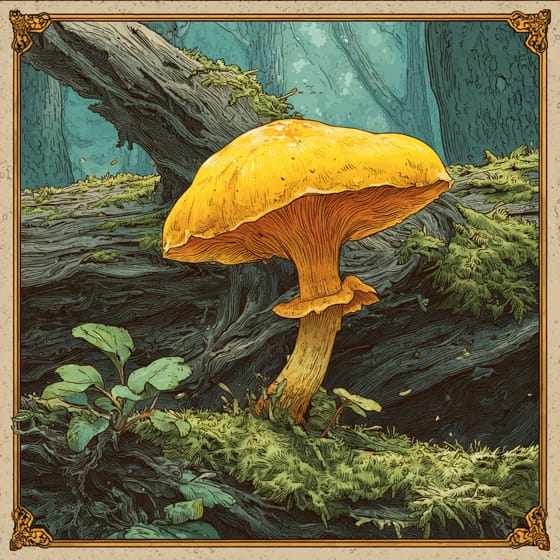
Hypholoma fasciculare
decomposes fallen Redwood logs and branches
Strix occidentalis
nests in the high canopies of old-growth Redwoods
Describes organisms capable of converting atmospheric nitrogen into compounds usable by plants.
Coniferous plants are typically evergreen, bearing needles or scales and reproductive cones.
Evergreen plants retain their foliage throughout the year, never shedding all their leaves at once.
This trait signifies organisms belonging to a very old evolutionary group with ancestors dating back millions of years.

Forest habitats are terrestrial environments dominated by dense tree cover, supporting a high diversity of plant and animal life.

This trait characterizes organisms with an exceptionally long lifespan compared to others of their kind.

Describes a species whose presence and role have a disproportionately large effect on its environment.

Giant describes organisms or objects of significantly larger size than average for their species or type.
Danger
1/5 · Very low
Enjoy the beauty of redwoods from a safe distance and be careful on forest trails.
The easiest way to identify Redwood is to use the Snappit nature identifier app.
60-115 m
10-20 m
No
300-800 cm
600-2200 years
Forests
Cone
Zoom in to split clusters and explore where this object has been snapped.

California, US
You might spot Redwood Sorrel, Redwood, and Button's Banana Slug.
View guide →

California, US
You might spot Redwood, Pacific Trillium, and Evergreen Huckleberry.
View guide →

California, US
You might spot Western Fence Lizard and Pacific Poison Oak.
View guide →

California, US
You might spot Pacific Banana Slug and Ensatina.
View guide →

California, US
You might spot Pacific Banana Slug and Pacific Trillium.
View guide →

Washington, US
You might spot Duck, American Wigeon, and Ring-Billed Gull.
View guide →
Take the discovery with you
Snap it with Snappit to identify it, learn what makes it special, and add the discovery to your collection.












