Eastern Gray Squirrel

Mount Vernon Square stands as a vibrant, family-friendly urban park in the heart of Washington, D.
Mount Vernon Square stands as a vibrant, family-friendly urban park in the heart of Washington, D.C., offering a refreshing green oasis amidst the bustling city. With free admission, this historic square invites both locals and visitors to pause, relax, and immerse themselves in a lively natural setting. Its central location, flanked by significant historical architecture, makes it a unique blend of urban charm and natural beauty, perfect for those seeking a tranquil escape or an engaging outdoor experience.
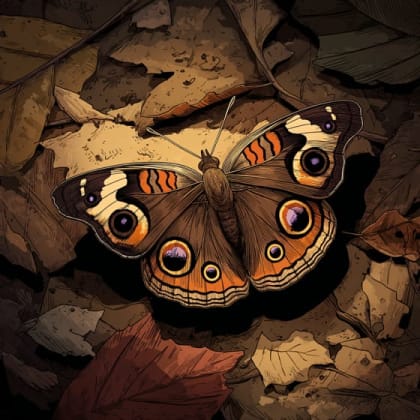
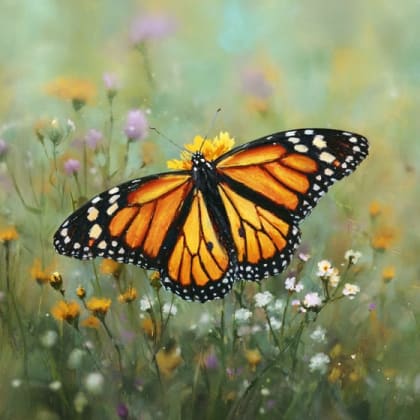
The square's diverse urban ecosystem provides excellent opportunities for outdoor enthusiasts and wildlife photographers. Keep an eye out for common city dwellers like the Eastern Gray Squirrel and Rock Pigeon, alongside colorful Blue Jays and European Starlings darting through the trees. During warmer months, you might spot the delicate dance of Common Buckeye and Monarch butterflies flitting among flowering plants like purpletop vervain and geraniums and cranesbills. The presence of species such as Western Honey Bee and Common Green June Beetle highlights the park's role in supporting local biodiversity.
Visiting Mount Vernon Square offers a memorable experience, combining historical grandeur with accessible nature. Whether you're enjoying a leisurely stroll, picnicking on the grass, or simply observing the dynamic interplay of urban life and wildlife, the square provides a picturesque backdrop. It’s a place where you can connect with nature, appreciate architectural heritage, and enjoy the pulse of the nation's capital, making it a truly special destination within the District. Enhance your adventure: download the Snappit app to identify the local species you encounter.
Mount Vernon Square holds a significant place in Washington, D.C.'s urban planning, having been prominently featured in Pierre L'Enfant's original 1791 plan for the city, where it was envisioned as an open public space. Over time, its use evolved; between 1846 and 1872, the area hosted the Northern Liberty Market. The current layout as a park became more formalized after 1882, when roadways crossing the square were removed to make the area safer and more enjoyable for pedestrians. A defining feature of the square is the historic Carnegie Library of Washington D.C., a magnificent white marble Beaux-Arts building completed in 1903. This structure, a gift from industrialist Andrew Carnegie, initially served as the city's first desegregated public library and continued as the central library until 1972. Today, the building remains a landmark, housing an Apple Store and exhibition space for the Historical Society of Washington, D.C., underscoring the square's enduring legacy as a hub of both history and contemporary life.
Enjoy a leisurely walk through the park and appreciate the historic surroundings.
Relax on benches and people-watch, soaking in the vibrant atmosphere of downtown D.C.
Engage in urban wildlife photography, capturing glimpses of birds, squirrels, and insects.
Visit the Carnegie Library to admire its architecture and explore its current occupants.
Look for some of the identified species such as Eastern Gray Squirrels, Blue Jays, or Monarch butterflies.
Spring: Expect blooming flowers, increased bird activity, and the emergence of insects like the Western Honey Bee.
Summer: Lush greenery, active butterflies like the Common Buckeye, and potentially the seasonal appearance of Cassin's 17-year Cicada (though less frequent in urban settings).
Fall: Beautiful foliage, continued bird presence, and cooler, comfortable weather.
Winter: A quieter period, with bare trees offering clearer views of bird nests and more visible resident birds like European Starling.
As an urban park in a highly developed area, Mount Vernon Square is generally very walkable with paved pathways around and within the square. The surrounding neighborhood is known for its "Great Accessibility". The Mount Vernon Square Metro station is also wheelchair accessible.
The serene green spaces and pathways of Mount Vernon Square itself.
The historic Carnegie Library building, an architectural marvel that now houses an Apple Store and exhibits by the Historical Society of Washington, D.C.
Observation of urban wildlife, including various bird species and insects among the flora.
Each card links to a full Explore page with photos, traits, and fun facts.
Start with the big picture, then zoom in to explore individual wildlife observations around this place.
Utilize Public Transportation
Parking can be challenging and expensive in downtown D.C.. Take the Metro Green or Yellow Line directly to Mount Vernon Square station for the easiest access.
Bring Binoculars and a Camera
For wildlife enthusiasts, binoculars will enhance bird and insect spotting, and a camera will allow you to capture the dynamic urban nature and impressive architecture.
Explore the Carnegie Library
Don't just walk by; step inside the historic Carnegie Library building to appreciate its stunning architecture and explore the Historical Society exhibits or the modern Apple Store within.
Combine with a Neighborhood Exploration
Mount Vernon Square is nestled in a "hip and historic" neighborhood with many restaurants and shops. Plan to grab a meal or coffee before or after your visit.
Visit During Off-Peak Hours
For a more peaceful experience and potentially better wildlife viewing, consider visiting in the early morning or late afternoon, especially on weekdays.
Stay Aware of Your Surroundings
While generally safe and walkable, like any urban environment, it's always wise to be mindful of your personal belongings and surroundings.
Mar 2, 2026
Mar 2, 2026
Mar 1, 2026
Mar 1, 2026
Mar 1, 2026

Maryland, US
You might spot White-Tailed Deer and Eastern Gray Squirrel.
View guide →
.jpg)
District of Columbia, US
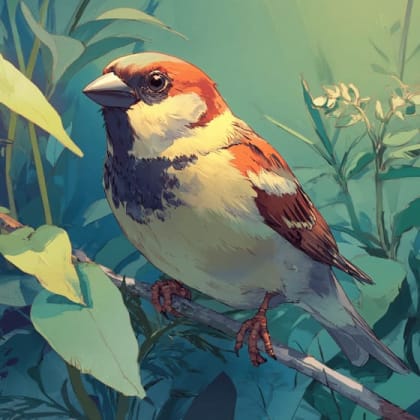
You might spot Eastern Gray Squirrel, Duck, and House Sparrow.
View guide →

Illinois, US
You might spot American Robin, Canada Goose, and House Sparrow.
View guide →

Virginia, US
You might spot Spotted Lanternfly and Northern Cardinal.
View guide →
Take the discovery with you
Identify the wildlife you spot, learn as you go, and keep a collection of the adventure.