Trumpeter Swan
Cygnus buccinator
The Trumpeter Swan is known for its loud trumpeting call! It is one of the largest swans and has stunning white feathers.
Habitat: Wetlands and lakes
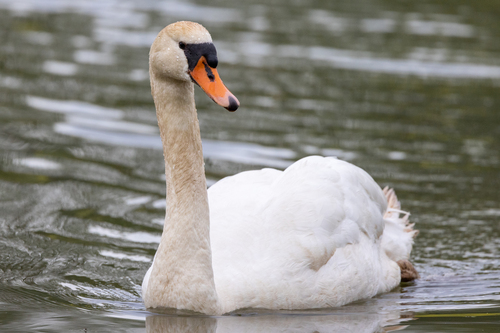
The Trumpeter Swan is a majestic all-white bird, the largest waterfowl in North America. It has a long, straight black bill and distinctive black lore extending from the bill to the eye, differentiating it from similar species.
Category
BirdsRarity
Common
Danger
2/5 · Low
Snaps
26
Baby swans are called cygnets and are born with fluffy gray down.
They mate for life, forming strong pairs that stay together year after year.
They use their strong feet to paddle and steer like rudders in the water.
Trumpeter Swans were once hunted almost to extinction, with fewer than 100 birds!
Trumpeter Swans can make loud, trumpet-like calls because of their long trachea, helping them communicate across vast distances.
Trumpeter Swans have long powerful necks that help them reach underwater plants up to 1.2 meters deep for food.
Trumpeter Swans can fly over 2,500 kilometers during migration because of their powerful wings, enduring harsh weather.
These magnificent birds primarily feast on submerged aquatic plants and tiny water creatures.
Age differences: Young cygnets eat more protein-rich aquatic insects to support rapid growth.

Haliaeetus leucocephalus
Predates on eggs and young cygnets, especially during nesting.
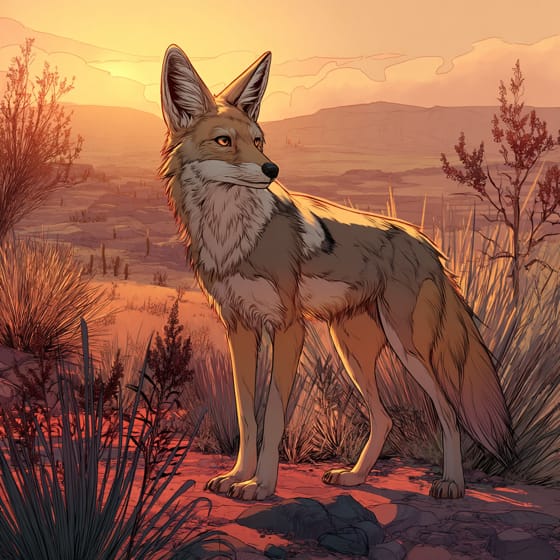
Canis latrans
Can prey on cygnets or adults, especially during winter.
Potamogeton natans
An important food source, roots and stems are consumed.
Typha latifolia
Swans feed on roots and tubers of these wetland plants.
Wildlife encompasses all undomesticated animal and plant life existing in their natural habitats.
Feathered describes animals, primarily birds, possessing a covering of feathers.
Characterized by having toes connected by a membrane, typically aiding in swimming.
Social animals live in organized groups, cooperating for survival benefits such as foraging, defense, and raising offspring.

This trait characterizes organisms whose diet consists entirely or primarily of plant material.

This habitat trait identifies species found in wetlands, which are areas of land saturated with water, either permanently or seasonally, including marshes, swamps, and bogs.

Migratory animals undertake seasonal movements from one region to another, typically in response to changes in climate or food availability.
Danger
2/5 · Low
Watch quietly from a distance and never try to feed or chase wild animals.
138-180 cm
185-250 cm
7-14 kg
10-20 years
100 km/h
These magnificent birds primarily feast on submerged aquatic plants and tiny water creatures.
Wetlands and lakes
Foraging
Zoom in to split clusters and explore where this object has been snapped.
New York, US
You might spot Mute Swan, Duck, and House Sparrow.
View guide →

Ohio, US
You might spot African Lion, Komodo Dragon, and Tiger.
View guide →
Michigan, US
You might spot African Lion, Wolverine, and Giraffes.
View guide →
Ohio, US
You might spot House Sparrow, American Toad, and Mourning Dove.
View guide →

Tennessee, US
You might spot Azure-Winged Magpie, Pygmy Falcon, and Red Ruffed Lemur.
View guide →

British Columbia, CA
You might spot American Dipper, Sockeye Salmon, and Duck.
View guide →