





Kiwi
Apteryx
Kiwi birds are unique because they cannot fly and have tiny wings. They are covered in soft, fluffy feathers and have long beaks that help them find food on the forest floor.
Habitat: Forests
The Kiwi has a round body covered in shaggy, brown, fur-like feathers that are quite coarse to the touch. It has strong, short legs and a remarkably long, pale ivory-coloured beak with nostrils at the very tip, making it look distinct from other birds.
Category
BirdsRarity
Rare
Danger
2/5 · Low
Snaps
Be the first to snap!
Kiwi eggs are gigantic, sometimes making up a quarter of the mother's body weight!
Kiwi use their strong legs to stomp on the ground and listen for tasty worms below.
Their nostrils are unique, located at the very end of their long, sensitive beak.
They are the only birds in the world with whiskers, similar to a cat's!
Kiwi can smell incredibly well because their nostrils are at the end of their long beak, helping them find food in the dark.
Kiwi has powerful, strong legs that help them run surprisingly fast through the forest to escape danger.
Kiwi has unique shaggy feathers, more like fur, that help them stay warm in the cool, damp forests.
Kiwi use their amazing sense of smell to find yummy insects, worms, and fallen fruits!
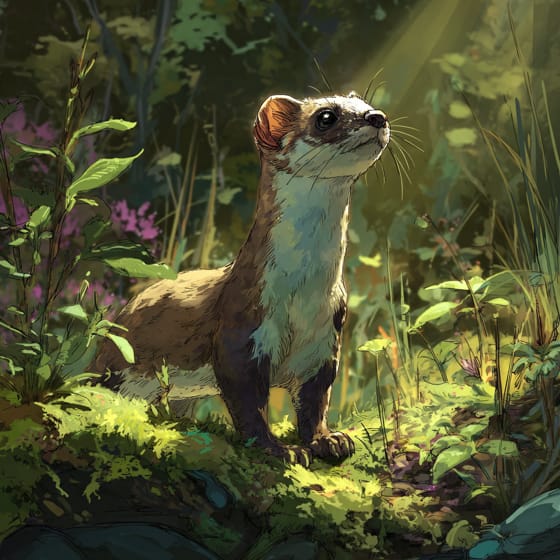
Mustela erminea
Introduced predators prey on kiwi chicks and eggs.
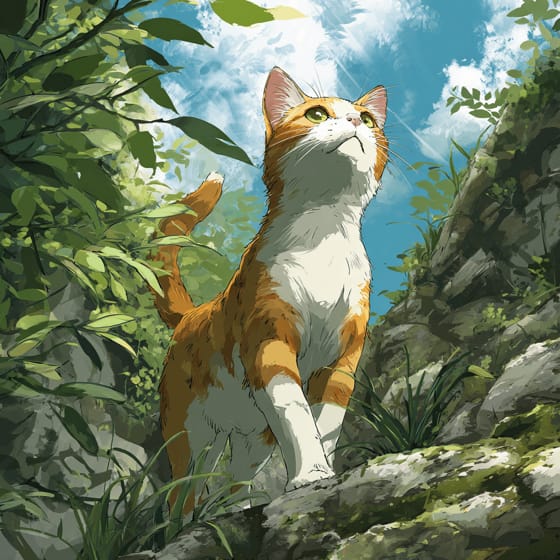
Felis catus
Introduced predators often hunt young kiwi.
Lumbricus terrestris
A primary food source found by probing the ground.
Nothofagus menziesii
Provides critical forest habitat and food sources.
Wildlife encompasses all undomesticated animal and plant life existing in their natural habitats.
Feathered describes animals, primarily birds, possessing a covering of feathers.
Edible plants are those parts of a plant that are considered safe for human consumption.
This trait identifies organisms whose diet primarily consists of insects and other small invertebrates.

This trait signifies organisms belonging to a very old evolutionary group with ancestors dating back millions of years.

Forest habitats are terrestrial environments dominated by dense tree cover, supporting a high diversity of plant and animal life.

Nocturnal animals are primarily active during the nighttime hours, typically resting or sleeping during the day.
No aliases listed yet.
Danger
2/5 · Low
Kiwi birds are shy and easily scared, so it's important to be quiet and respectful if you see one in the wild.
The easiest way to identify Kiwi is to use the Snappit nature identifier app.
35-65 cm
5-10 cm
1-5 kg
10-20 years
19 km/h
Kiwi use their amazing sense of smell to find yummy insects, worms, and fallen fruits!
Forests
Zoom in to split clusters and explore where this object has been snapped.
Recent snaps will appear here as new observations are added.
Take the discovery with you
Snap it with Snappit to identify it, learn what makes it special, and add the discovery to your collection.




.jpg&width=800)









