


Black Walnut
Juglans nigra
The Black Walnut tree has dark bark and produces tasty nuts! It’s a fun tree to explore in the fall.
Habitat: Woodlands and fields
The Black Walnut is a tall tree with distinctively dark, deeply furrowed bark that appears almost black and crisscrossed. It has large, compound leaves and produces round, green fruits that resemble limes, each containing a hard-shelled nut.
Category
TreesRarity
Common
Danger
1/5 · Very low
Snaps
6
Its valuable wood is used for fancy furniture, gunstocks, and even airplane propellers!
Native Americans used parts of the tree for food, medicine, and making strong baskets!
Squirrels act as natural planters, burying nuts that grow into new Black Walnut trees!
The green outer hull can be used to make a natural brown dye for cloth and hair!
Black Walnut has a special chemical called juglone in its roots that helps it keep other plants from growing too close, claiming its space.
Black Walnut has super-tough, wrinkled nut shells that protect the delicious kernels inside from hungry animals, making them work for their meal.
Black Walnut can grow a very long taproot that helps it reach deep underground water sources during dry times, helping it survive.
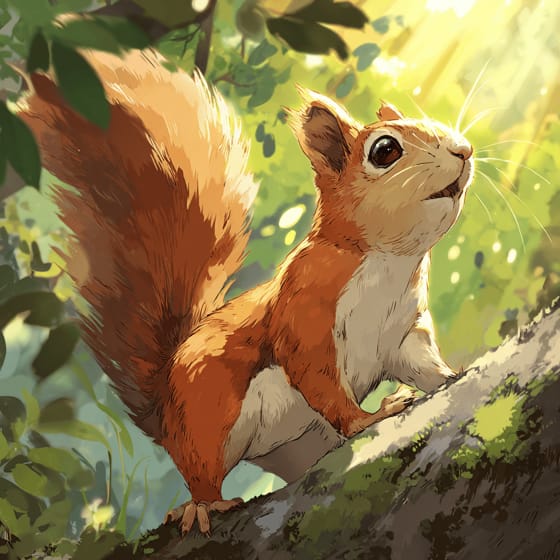
Sciurus carolinensis
buries and eats its nuts
Homo sapiens
harvests nuts and timber
Conotrachelus juglandis
damages developing nuts
Hyphantria cunea
chews on its leaves
Deciduous plants periodically shed all their leaves, typically during autumn or dry seasons.
Broadleaf trees are angiosperms characterized by flat, wide leaves that are typically shed annually in temperate climates.
Nut bearing plants produce hard-shelled fruits, commonly known as nuts, which contain a single seed and are a valuable food source.
A fruit tree is a perennial tree that produces fruit, which is edible to humans or animals.

Rapid growing plants exhibit accelerated growth rates, quickly increasing in size and biomass within a short period.

Timber refers to wood that has been prepared for use in building and carpentry.

Forest habitats are terrestrial environments dominated by dense tree cover, supporting a high diversity of plant and animal life.
Danger
1/5 · Very low
Do not pick or eat anything you find. Some plants and mushrooms can be harmful.
20-30 m
15-25 m
Yes
60-100 cm
100-250 years
Woodlands and fields
Drupe
Medium
Zoom in to split clusters and explore where this object has been snapped.
New Hampshire, US
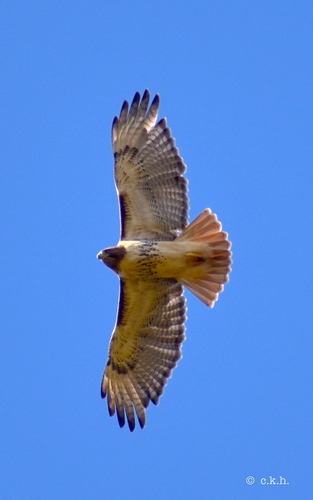
You might spot Red-Tailed Hawk, Northern Cardinal, and Chipping Sparrow.
View guide →

Pennsylvania, US
You might spot Red Fox, Western Barn Owl, and Jaguar.
View guide →

New York, US
You might spot African Lion, Giraffes, and Tiger.
View guide →
New York, US
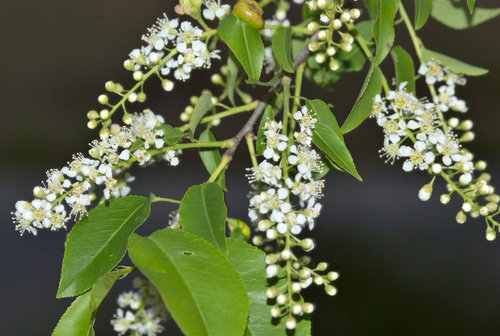
You might spot Black Cherry and Allegheny Mountain Dusky Salamander.
View guide →

District of Columbia, US
You might spot Eastern Gray Squirrel, House Sparrow, and American Robin.
View guide →

Virginia, US
You might spot Conifers, Virginia Creeper, and Black Walnut.
View guide →