Thief Ant
Solenopsis molesta
Thief ants are tiny yellow ants that like to steal food from other ants. They are sneaky and hard to spot!
Habitat: Gardens and homes
The Thief Ant is a tiny, shiny insect, ranging from yellow to light brown. It is distinguished by its very small size, usually only 1.5-2.5 mm long, making it one of the smallest ant species.
Category
InsectsRarity
Common
Danger
2/5 · Low
Snaps
Be the first to snap!
Queens can live for years, laying thousands of eggs in their lifetime!
Some people call them "grease ants" because they really love fatty foods!
Their super small size lets them sneak into almost any food container!
They often build their tiny nests within the walls of other ant colonies!
Thief Ant can raid other ant nests to steal their food and young because of its tiny size, helping it be a sneaky predator.
Thief Ant has an incredibly small body that helps it squeeze through tiny cracks and hide in unseen places.
Thief Ant can lay invisible scent trails because of its special glands, helping its colony find food and new homes.
Thief Ants are tiny scavengers that will eat almost anything, especially oily, fatty, and sugary foods!
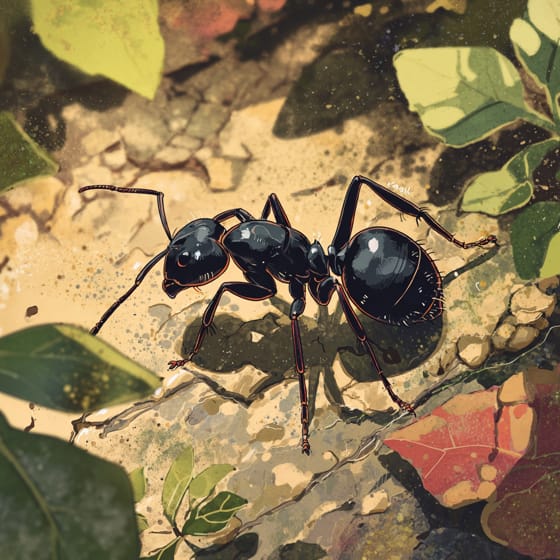
Lasius niger
Raids nests to steal larvae and pupae.
Camponotus pennsylvanicus
Invades large colonies for food resources.
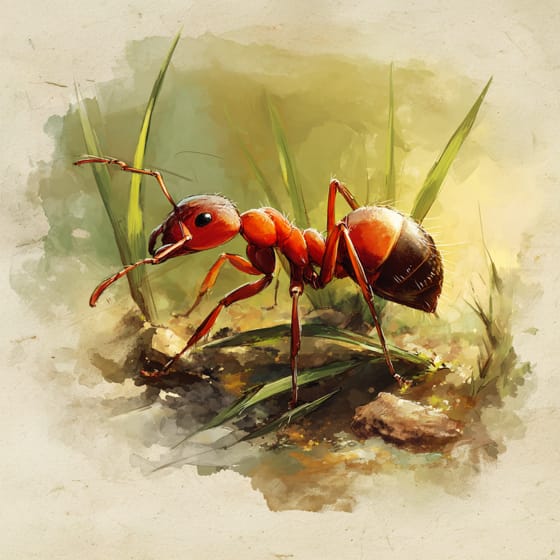
Solenopsis invicta
Sometimes found raiding the nests of fire ants.
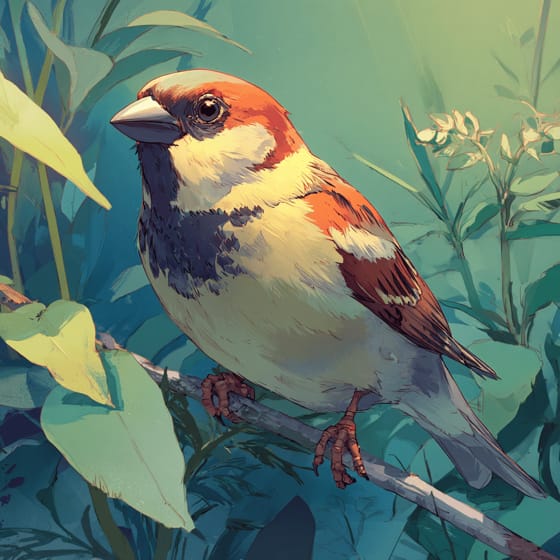
Passer domesticus
Sparrows will opportunistically eat foraging ants.
Wildlife encompasses all undomesticated animal and plant life existing in their natural habitats.
Social animals live in organized groups, cooperating for survival benefits such as foraging, defense, and raising offspring.
This trait identifies organisms whose diet includes both plant and animal matter.
Camouflaged describes organisms that possess coloring or patterns that allow them to blend into their environment.

This habitat trait indicates species that can coexist with humans in urban and suburban environments, utilizing man-made structures and green spaces.

Nocturnal animals are primarily active during the nighttime hours, typically resting or sleeping during the day.
Danger
2/5 · Low
Do not touch or pick up. Some insects sting or bite. Ask an adult for help.
1.5-2.5 mm
60-180 days
Thief Ants are tiny scavengers that will eat almost anything, especially oily, fatty, and sugary foods!
Gardens and homes
Foraging
6
50000
Zoom in to split clusters and explore where this object has been snapped.
Recent snaps will appear here as new observations are added.