Snappit logo
Snappit
Get App
Generic illustration, not a photograph of this venueIllustration
ParkKansai, Japan

Kyoto Botanical Garden

Kyoto Botanical Garden rewards a little selectiveness.

About

Kyoto Botanical Garden rewards a little selectiveness. Across its roughly 24 hectares, you can move between formal flower beds, a remnant woodland and a conservatory without leaving the city. For a first visit, choose one outdoor area that suits the season, spend time under glass, and leave room for a sit-down. Trying to see every collection can turn a lovely walk into a list of labels.

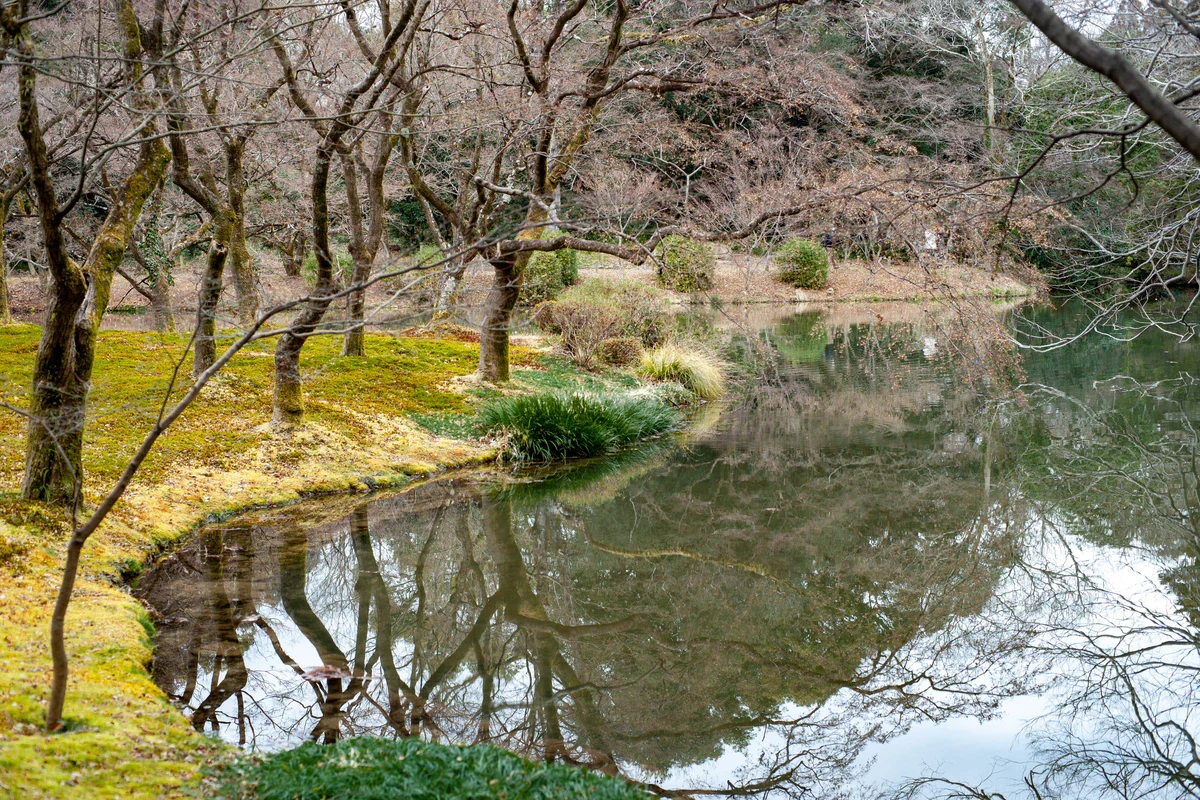
Nakaragi Forest offers the strongest change of mood. This is a surviving piece of the Shimogamo area’s older vegetation, enclosed by four ponds, with both evergreen and deciduous trees. Look across the water at the shapes of branches and their reflections, then pause at the small Nakaragi Shrine. In autumn, the pond-side maples give this part of the garden a particularly good reason to linger. Stay on the paths rather than stepping onto the planted banks for a photograph.

The Western-style garden is a useful counterpoint: deliberate symmetry, roses and a sunken flower garden around a fountain. When roses are flowering, read a few cultivar names as well as looking at colour. Kinkaku and Daimonji connect the collection with familiar Kyoto names. You do not need to recognise every plant to enjoy the contrast between a carefully arranged bed and the looser outline of the woodland.

Inside the conservatory, let the changing rooms set the pace. Compare the broad leaves of the jungle display with the shapes in the desert-and-savanna room, then see what is on show in the alpine room. The building opened in 1992, and its roofline draws on Kyoto imagery, including the northern mountains. It is a good anchor for a chilly or wet day, although you still have an outdoor walk between the entrance and the glasshouse.

Children can make the day their own by choosing a favourite leaf shape, finding the date on a heritage-tree sign, or sketching a plant without picking anything. Finish with a break on the Great Lawn if conditions suit. This is a living collection, so even fallen leaves, acorns and insects must stay in the garden. Photographs, drawings and a newly learned name make better souvenirs. Wondering what that bird or insect is? Find out on your visit using the Snappit nature app.

The garden opened on January 1, 1924, after construction began in 1917. During the Second World War, some land was used to grow food. Allied occupation from 1946 brought a long interruption and the loss of many trees; the garden reopened to the public in April 1961. The present conservatory followed in 1992, and the garden marked its centenary in 2024. Its history is visible in old planted trees as well as in newer displays.


What to do here

Pair Nakaragi Forest or the seasonal flower gardens with the conservatory. Pick up the current map and flowering guide at your entrance, choose two or three priorities, and leave time for a lawn or café break.

Seasonal info

Flowering shifts with the weather. In hot weather, keep the outdoor circuit short, carry water and rest often. From late October 2026 into May 2027, the conservatory’s day–night reversal room is scheduled to close for winter; the alpine room is reached through the desert-and-savanna room during that closure.

Accessibility

Principal garden paths are paved, but the plant ecology area and cherry grove include unpaved paths. Wheelchairs and pushchairs are available at the gates without reservations. The conservatory’s standard circuit is described as step-free; ask staff about the winter diversion and the best route for your needs. Accessible toilets are available.

Don't miss

1

Nakaragi Forest, its ponds and the small shrine among the trees

2

Contrasting jungle, desert-and-savanna and alpine conservatory displays

3

Seasonal roses, cherry blossom or hanashobu irises

4

Heritage trees with histories that reach back to the garden’s beginnings

Bare branching trees and a moss-covered bank reflected in a wooded pond at Kyoto Botanical Garden.

A quiet pond at Kyoto Botanical Garden in February 2022, with bare branches reflected in the water. The planting and pond edges may change over time.

Pond in Kyoto Botanical Garden.jpg — Hironoyama, CC BY-SA 4.0 (https://creativecommons.org/licenses/by-sa/4.0/). Source: https://commons.wikimedia.org/wiki/File:Pond_in_Kyoto_Botanical_Garden.jpg. Proportional downsampling to fit 1200 × 1200 pixels, without enlargement; encoded as WebP quality 92, method 6. No crop, retouching, colour correction or text added. EXIF omitted. · Creative Commons

Walks and routes

A first visit: seasonal garden, glasshouse and a break

Enter at the gate that suits your transport and collect a map. Start with one outdoor priority: Nakaragi Forest for trees and water, the rose garden when it is flowering, or the cherry or iris collections in season. Visit the conservatory after it opens, then decide whether a lawn or café break leaves energy for one more collection. Use the current map to choose the links between stops; there is no need to follow a fixed loop.

Ask at the gate for paved links between your chosen areas. Some paths through the cherry grove and plant ecology area are unpaved, so shorten or change the circuit if rolling or walking becomes difficult.

A first visit: seasonal garden, glasshouse and a break

If you have about 90 minutes

Choose either the conservatory with a brief outdoor stop or one seasonal garden with a restful pause. Do not spend the entire visit trying to reach every named area. If you arrive before 10:00, use that first part of the morning outdoors.

A family half day

Let each person choose one thing to find on the entrance map. Build the visit around those choices, leave a generous lunch break, and finish when everyone still has enough energy for the walk back to the station. The Great Lawn offers a simple pause between plant-looking sessions.

Things to try

Compare two plant worlds

In the conservatory, choose one plant in the jungle room and another in the desert-and-savanna room. Describe the outline, size and surface of their leaves without touching them. Which features would you draw first? Read the labels after making your own observations.

Follow the names in the rose garden

Look for a cultivar name you recognise, then compare it with a neighbouring rose. The collection includes Kinkaku and Daimonji as well as internationally known cultivars. Use the name labels to keep track of favourites; different cultivars need not be flowering together.

Make a reflection sketch

At a safe place on a pond-side path, sketch the same tree twice: once as it stands and once as it appears in the water. A small ripple may make the two outlines very different. Keep the path clear and stay off the bank.

Make the conservatory your main stop

On an ordinary rainy day, reduce the outdoor walk and spend longer with a few glasshouse displays. Bring rainwear for the journey between gate and building, and check the garden’s notices before travelling in severe weather. The conservatory is open from 10:00, with last entry at 15:30.

Wildlife and habitats

Deodar cedar

The garden records an introduction in 1917, before its public opening. Seeds from its trees were later distributed around Japan. Read the heritage label, then look up at the branching shape without stepping into the planting.

Dawn redwood

The garden received seedlings from Kyoto University’s research forest in 1953. The heritage sign connects this tree with an international story of plant propagation. Compare its outline with another labelled conifer nearby, wherever the open paths take you.

Osage-orange

The heritage list records its introduction to Japan here in 1926 and highlights the unusually large fruit. Check the label even if there are no fruits to see; any fallen material must stay where it is.

Use the heritage-tree map and labels for these planted trees. Collections change, and flowers or fruit are seasonal; ask at the gate if one particular tree is the reason for your visit.

Stories and discoveries

A woodland older than the garden

Nakaragi Forest preserves a remnant of the Yamashiro Basin’s original vegetation. Its mixed trees and ponds give the visit a different character from the cultivated flower beds.

A Kyoto-inspired glasshouse

The conservatory’s design references the image of Kinkaku-ji reflected in a pond and the silhouette of the Kitayama mountains. Look at the outline of the building before going inside.

Blossom with a conservation story

In 2024, the garden’s collection of 186 cherry cultivars received National Collection recognition from the Japan Association of Botanical Gardens. The value lies in conserving horticultural diversity as well as in a spring spectacle.

When to visit

Spring: choose your cherries

Early April is a usual time for Somei-yoshino blossom, while other cultivars broaden the season. Use the flowering guide rather than assuming all the cherry trees peak together.

Early summer: irises at the water’s edge

Make the hanashobu garden a priority when it is in flower. Its cultivated groups give you different flower shapes to compare. Leave time to look closely instead of treating it as a quick photo stop.

Autumn: roses and leaves

Check the rose garden for repeat-flowering cultivars, then spend time around Nakaragi’s pond-side maples. Different trees change colour at different times, so follow the garden’s recent reports before choosing a date.

Winter: branches and a glasshouse visit

Look for the patterns of bare branches outdoors, then warm up your plant-looking with the conservatory. Remember the year-end closure and the separate winter closure of the day–night reversal room.

Getting there and practical advice

Tickets and opening times

Normal admission is ¥500 for adults, ¥250 for high-school students and visitors aged 65 or over, and free for junior-high-school age and younger; the conservatory is included. Garden hours are 09:00–17:00, last entry 16:00; conservatory hours are 10:00–16:00, last entry 15:30. Closed December 28–January 4. These arrangements were checked on October 16, 2026.

Food and a sit-down

Mori no Café and the shop reopened in September 2026. The café is north of the Great Lawn; the shop in the Botanical Garden Hall sells drinks and light food. Check that day’s opening times if you are relying on them for lunch.

For small children and bags

Pushchairs are available at the gates without reservations. Nursing facilities are listed at the Kitayama Gate, the Botanical Garden Hall’s first-aid room and the toilet south of the Great Lawn. Coin lockers are listed at the Main Gate, Kitayama Gate and conservatory.

By subway

Take Kyoto’s Karasuma Line to Kitayama Station. Exit 3 is beside the Kitayama Gate; the station provides elevators between platform, concourse and street. For a Main Gate arrival, Kitaōji Station Exit 3 is about a ten-minute walk away.

By bus

Shokubutsuen-mae is the stop for the Main Gate approach; allow about five minutes on foot from the stop. Check the operator’s current service for your departure point. Rail is the simpler default if you are unfamiliar with Kyoto’s bus routes.

By car

The garden’s visitor car park is beside the Main Gate. Current charges are ¥300 an hour, capped at ¥1,200 a day; the FAQ says payment is cash only. Vehicles can enter 09:00–16:00 and must leave by 17:00. Spaces cannot be reserved.

Choose the path as well as the destination

Main routes are paved, while the plant ecology area and cherry grove have unpaved sections. Accessible toilets are available, and assistance dogs are allowed. Ask staff to help plan a comfortable route between the areas you want to see.

Inside the conservatory

The prefecture describes the standard 460-metre circuit as step-free. During the 2026–27 winter room closure, ask staff to confirm the diversion and any assistance you need before entering.

Loans and tactile information

Wheelchairs are provided at the gates without reservations. A raised-line, Braille garden map with an audio touch pen is listed for loan at the Botanical Garden Hall’s first-floor office, with same-day requests accepted. Ask about availability when you arrive.

Sources and useful links

Wildlife you might spot

3

Each card links to a full Explore page with photos, traits, and fun facts.

Snap map for this place

Start with the big picture, then zoom in to explore individual wildlife observations around this place.

Loading map…

Good to know before you go

Check the latest opening and room-closure notices before travelling, especially after severe weather.

Plan around two opening times

the garden usually opens at 09:00, but the conservatory opens at 10:00. Its last entry is 15:30, earlier than the garden’s 16:00 last admission.

Use Kitayama Station for the simplest arrival. Exit 3 is beside the Kitayama Gate and has an elevator connection to street level.

Carry proof of age if you intend to use the 65-and-over rate, and check the official requirements for any disability-related exemption before travelling.

Leave every leaf, seed, flower and insect where it is. Keep out of beds and fenced areas, including when taking a close-up photograph.

Bring lunch for a lawn break and take your rubbish home. Alcohol and sports equipment are prohibited; check the rules before bringing toys or a sunshade, which have limited exceptions.

Keep children close beside ponds and fountains. Use comfortable shoes, and slow down on wet paths.

Pets cannot come into the garden; assistance dogs are permitted. For commercial photography or an organised shoot, check the garden’s rules and permission requirements in advance.

Frequently asked questions

As checked on October 16, 2026, a one-day ticket is ¥500 for adults, ¥250 for high-school students and visitors aged 65 or over, and free for junior-high-school students and younger children. Conservatory entry is included. Check current concession documentation before relying on an exemption.
Normal garden hours are 09:00–17:00, with last admission at 16:00. The conservatory opens 10:00–16:00, with last entry at 15:30. The annual closure is December 28–January 4. Seasonal events or other notices can change these hours.
The notice dated October 15, 2026 schedules its winter closure from late October 2026 into May 2027. During that period, visitors enter the alpine room via the desert-and-savanna room. Check the notice again for exact dates before a visit built around this display.
A picnic on the Great Lawn is a good option when conditions permit. Alcohol and sports equipment are prohibited, and rubbish must go home with you. Check the limited exceptions for infant toys and summer sunshades before bringing them. Ordinary pets are prohibited; assistance dogs are allowed.
No. This guide covers the botanical garden and its conservatory. The nearby Garden of Fine Arts is a separate attraction, with its own visit arrangements.
Yes. Make the conservatory, old trees and woodland the focus, then add whichever small display is looking good. A short visit spent looking closely can be more satisfying than a search for a single famous bloom.

Recent snaps at this place

Recent snaps will appear here as new observations are added.

View all ›

Take the discovery with you

Exploring Kyoto Botanical Garden?

Identify the wildlife you spot, learn as you go, and keep a collection of the adventure.

  1. 1Spot it
  2. 2Snap it
  3. 3Keep the discovery