
Snappit logo
Snappit
Get App
Generic illustration, not a photograph of this venueIllustration
ParkChubu, Japan

Uwasekigata Park

Uwasekigata Park brings a little of Niigata’s countryside into an easy lakeside outing: a broad mountain backdrop, waterbirds on the lagoon, flower fields and enough lawn for an unhurried picnic.

About

Uwasekigata Park brings a little of Niigata’s countryside into an easy lakeside outing: a broad mountain backdrop, waterbirds on the lagoon, flower fields and enough lawn for an unhurried picnic. You can make a satisfying visit without climbing Mount Kakuda. The pleasure here is the changing view from the path, with the mountain across the water and something different drawing your attention in each season. Enhance your adventure: download the Snappit app to identify the local species you encounter.

The water here has a practical story. Uwasekigata formerly supplied irrigation water and helped hold heavy rainfall. It later dried out after changes to local drainage. Flood-control works restored the lagoon, and the park was developed in fiscal 1998 with nature conservation as part of its purpose. The attractive water view is still part of a working system that stores excess water from the Nishiyama River.

What to do here

Walk the waterside circuit, take a closer look from the wooden boardwalk where access permits, then choose between the flower fields, a picnic and the children’s play area. During the Wara Art season, leave time to wander around the large straw sculptures.

Seasonal info

In October 2026, the Wara Art display is scheduled through October 31. Its separate evening-lighting period has already ended. The city’s latest cosmos report is dated October 5, so check the [flower update](https://www.city.niigata.lg.jp/kurashi/ku_info/kurashi_nishikan/bunka-sport/himawari.html) before travelling specifically for a peak display.

Accessibility

The prefecture lists barrier-free consideration on the walking course, and the city lists multipurpose toilets inside the park and at the second car park. Detailed gradients, bridge thresholds and an independently verified continuous step-free circuit are not published in these sources; check the route that suits your needs before committing to a full lap.

Don't miss

1

Mount Kakuda across the lagoon

2

Seasonal cherry blossom, rapeseed, sunflowers and cosmos

3

Waterbirds viewed from established paths

4

Rice-straw sculptures during the Wara Art Festival

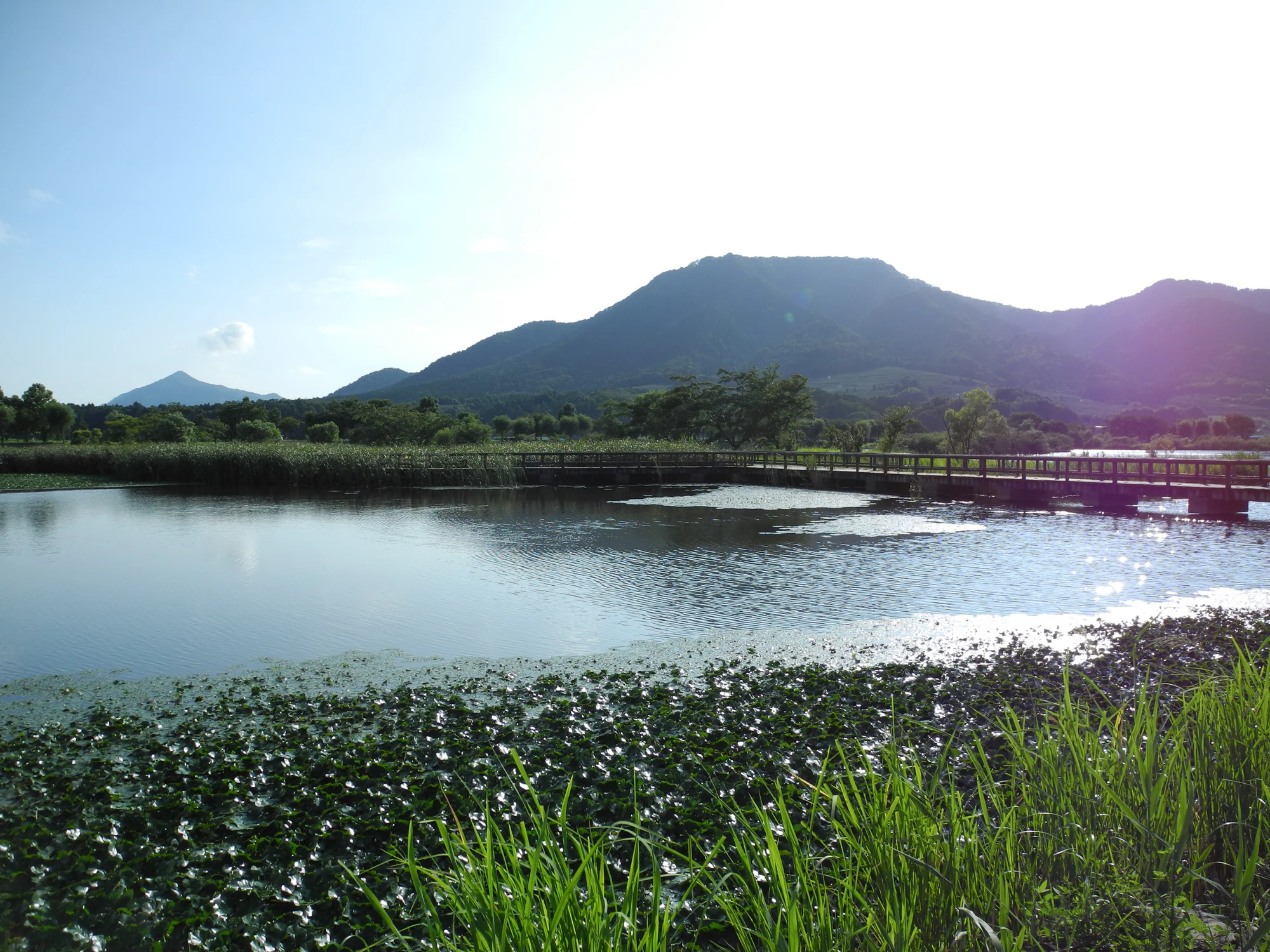
A wooden boardwalk crosses a lake edged with reeds and floating plants, with wooded mountains beyond and bright sunlight from the right.

Uwasekigata’s lake and wooden boardwalk with the mountain backdrop, photographed on September 6, 2013. This historical view does not show current path or water conditions.

「初秋の上堰潟2」、新潟市、クリエイティブ・コモンズ・ライセンス 表示 2.1 日本 (https://creativecommons.org/licenses/by/2.1/jp/). No changes. Source: https://www.city.niigata.lg.jp/shisei/seisaku/it/open-data/opendata-gazou/od-fukei/od-kata/od-uwasekigata/od-uwasekigata002.html · Creative Commons 1 · Creative Commons 2

Walks and routes

The 2 km perimeter circuit

For a first visit, start by the rest house and first car park, then follow the outer walking path around the lawn and water. The city’s park map shows how the lake occupies one side of the park and the open lawn the other, with the play and barbecue area near the rest-house end. Stay with the perimeter path for the published circuit rather than taking an internal shortcut. Pause at the lakeside views and benches when you like; a photo walk will naturally take longer than the prefecture’s 30-minute walking estimate. Allow 45–75 minutes for this relaxed version, then add time for flowers or play. The flood-control weir is a no-entry installation, not a viewpoint to explore.


The 2 km perimeter circuit

A shorter boardwalk-and-lawn visit

If a full lap is more than you want, use the mapped paths from the rest-house side toward the central lawn and wooden boardwalk, then return the way you came. The city lists 371 metres of boardwalk infrastructure; this is not a measured round-trip distance from the entrance, nor an extra distance to add automatically to the circuit. The attraction is the closer water-level perspective and the chance to pause without covering the whole park. Allow roughly 30–60 minutes, depending on your starting point and stops. Use only open sections, and skip the boards when they are slippery, flooded or closed.

A shorter boardwalk-and-lawn visit

An easy first visit

Start with the waterside circuit while everyone has energy, then choose one longer stop: the season’s flowers, a patient birdwatching pause or the play area. Finish with your picnic near the facilities. For a shorter outing, swap the circuit for the boardwalk-and-lawn option. Budget 1–2 hours, or 2–3 with food and play; these are editorial suggestions and should fit around your booked return transport.

Things to try

Give the children a play stop

The roller slide, rope ride and pedal-powered carts provide a different pace from the lakeside walk. The official map groups the play facilities near the rest-house end, making it easy to combine a short stroll with play rather than insisting on the full circuit. Follow age and operating signs on each piece of equipment, and keep children close beside the water. A picnic on the lawn works well if everyone wants to linger.

Meet the seasonal straw creatures

Wara Art makes good use of the rice-growing landscape around the park: students and local volunteers turn rice straw into large sculptural figures. Walk around the works to appreciate both their scale and the texture of the material, while respecting any ropes or no-climbing signs. For 2026, the announced display runs August 29–October 31 and pairs wetland animals with a hot-spring theme. Lighting was scheduled only on selected evenings through September 27, so an October visit should be planned around daylight. Check the city’s event information for the relevant year before making a special journey.

Photograph the landscape without disturbing it

Try a broad composition that keeps the mountain, water and seasonal planting together, then a closer frame from a path where flowers or reeds fill the foreground. You do not need to step into a planted bed or onto a soft bank for a good view. Keep the walking line clear while stopping for a photograph; on a busy blossom or cosmos weekend, wait for a gap rather than spreading equipment across the path.

When the weather turns

For a brief shower, shorten the outing and use an open shelter or the rest house during its operating hours. This is primarily an outdoor destination; the rest house is a pause, not an all-day indoor attraction. If the weather becomes severe, leave the waterside and postpone the walk rather than trying to finish the circuit.

Wildlife and habitats

Little Grebe

Look for a small diving bird disappearing beneath the surface, then wait for it to emerge. The city’s local nature guide records Little Grebes visible from the park’s waterside paths and boardwalk. Watch from an established path without following birds into bank vegetation.

Common Kingfisher

A brief kingfisher sighting may reward a patient pause beside the water. The park nature guide specifically includes this bird among those visible from the boardwalk area. Keep any photograph at a respectful distance; never search for or approach a nest.

Eurasian Coot

Coots are dark waterbirds with a conspicuous pale bill and forehead. In winter, the local guide describes them coming onto the planted field to feed. If birds start retreating toward the lagoon as you approach, give them more room.

Eurasian Wigeon

The same park-specific account describes wigeon grazing in winter alongside coots. Look from the path and let them choose their own distance. These are documented wild occurrences, not a guarantee that every species will be visible on your visit.

Stories and discoveries

A park that also holds floodwater

The Nishiyama River flows beside the park. During heavy rain, the lagoon can receive excess water and release it more slowly, helping protect the surrounding land. That explains both the broad water surface and the restricted weir. Treat rising water as a reason to leave the waterside, even when the park normally feels calm and easy-going.

When to visit

Spring: two colours in one view

Early to mid-April is the usual planning window for cherry blossom and rapeseed flowers. Their pink-and-yellow combination is a strong reason to choose this park, particularly with Mount Kakuda behind them. Give yourself time to walk beyond the first busy photo spot. Flowering can move with the weather, so use a dated update for your visit year rather than assuming an old forecast will repeat.

Summer: flowers with a shorter walk

Sunflowers are the summer draw, with the city pointing to around mid-August in its 2026 visitor information. In warm weather, a short flower-and-water visit followed by a shaded rest can be more enjoyable than a brisk full circuit. Bring drinking water even if you expect to find a vending machine, and avoid turning a family outing into a midday endurance walk.

Autumn: cosmos, straw art and changing light

Cosmos and the temporary sculptures make autumn especially varied. The city reported the cosmos at their best on October 5, 2026 and expected roughly another two weeks of display; that forecast is not a promise of peak flowers later in the month. The planted fields and event can draw traffic, so use the bus where practical and never improvise roadside parking. With a return bus already chosen, you can enjoy the display without watching the clock throughout the visit.

Winter: leave room for waterbirds

The tourism association gives October–March as the usual swan season. A winter visit is best treated as a quiet wildlife walk, with warm layers and shoes suited to wet or slippery ground. Birds may be away from the water feeding, and no particular count is guaranteed. The barbecue season ends in November; the rest house also closes for the New Year period, so winter picnics need a little more self-sufficiency.

Getting there and practical advice

Rest house, toilets and a place to pause

From October 2026, the rest house operates 09:00–16:30; it is unavailable December 29–January 3. The city lists multipurpose toilets near the Fureai exchange plaza and in the second car park. Shelters and benches allow breaks around the park, but bring your own picnic rather than relying on a permanent food service. Check entrance signs for any temporary facility restrictions.

Barbecue: free tables, advance reservation

The designated barbecue area operates April 1–November 30, 09:00–16:30, with possible maintenance interruptions. Its eight tables are free, but must be reserved through the city’s booking information page. Reservations open two months ahead and close at 09:00 on the use day, subject to availability. Bring your own grill, cooking equipment and supplies: there is no equipment rental or built-in hearth. Water taps have no sinks. Keep fire within the designated area, use the specified disposal place for extinguished charcoal, take rubbish home and retain your reservation confirmation until you finish.

Plan the surfaces as well as the distance

A compact park is still easier to enjoy with the right route. The prefecture notes barrier-free consideration for the circuit, but does not give gradients or a section-by-section surface survey. The wooden crossing, path connections and any temporary works deserve a separate check if you use a wheelchair or pushchair. For individual advice, contact the park’s municipal office on 0256-72-8507. A shorter out-and-back near the facilities may suit you better than committing to a complete lap.

From Maki Station by seasonal sightseeing bus

Maki Station on the JR Echigo Line is the useful rail gateway. In 2026, the Gurun sightseeing bus serves Maki Station and Uwasekigata Park on Saturdays, Sundays and public holidays from April 25 through October 31. The announced adult fare is ¥400 for one ride or ¥600 for a day pass; elementary-school children pay half and preschool children ride free. Check the 2026 route and timetable for both directions. Do not assume this service continues into winter or runs on an ordinary weekday.

The local Kakuda Line needs extra planning

West Sightseeing Bus operates the Maki–Kakuda route, using the stop labelled Chayamachi/Nunome (茶屋町・布目) in its April 2026 timetable. The city’s nature guide gives about 600 metres from the older Nunome stop reference to the park entrance; confirm the walking approach for your stop. Crucially, all weekend/holiday services in this timetable require a reservation, as do weekday afternoon return services toward Maki. A service marked reservation does not run without a booking. There are no same-day reservations. The operator accepts bookings Monday–Friday, 09:00–17:00; Saturday, Sunday and Monday travel must be booked by the preceding Friday at 17:00. Use the operator’s reservation instructions and arrange the return as well as the outward journey. Regular scheduled services do not require booking.

Driving or taking a taxi

The official tourism entry gives approximately 15 minutes by car from Maki Station and 20 minutes from Maki-Katahigashi Interchange. Both main car parks are listed as free. Bloom and event weekends can be busy; arrive with a flexible plan and follow parking staff or signs. For a taxi visit, arrange the return pickup rather than assuming an available vehicle will be waiting at the park.

Water, weather and wildlife

Stay out of the flood-control weir and respect barriers around water infrastructure. Avoid the lakeside and wooden crossings during heavy rain, rising water, ice or strong winds; do not walk around a closure. Supervise children at the water’s edge. Keep wildlife wild by watching without feeding or chasing it. Before extending your day into the surrounding hills, check the city’s wildlife advice and sighting-map link as well as the mountain’s own access notices. Regional wildlife advice does not mean there is a confirmed sighting inside this park.

Sources and useful links

Wildlife you might spot

4

Each card links to a full Explore page with photos, traits, and fun facts.

Snap map for this place

Start with the big picture, then zoom in to explore individual wildlife observations around this place.

Loading map…

Good to know before you go

Bring binoculars or a zoom lens and keep your distance from resting birds.

Carry water and sun protection; open lawns and waterside stretches offer limited shelter.

Save your return transport before starting the walk, particularly if using a reservation-only local bus.

Use designated car parks and keep nearby roads and farm access clear.

Frequently asked questions

Yes. The park’s main outing is its approximately 2 km circuit, with a separate internal boardwalk and shorter paths around the lawns. Turn back whenever you need to; the mountain in the view does not have to become part of your walk.
Reserve a barbecue table if you want to use that facility; the table itself is free. Both main car parks are listed as free. The city’s park page does not publish a general entrance tariff. Bus fares and any separately offered activities or purchases are additional.
Swans are seasonal wild visitors, usually associated with October–March here. Their movements between the lagoon and feeding areas mean that numbers vary through the day. Enjoy whichever birds are present rather than treating a particular flock size as part of the visit.
The tourism office describes the grounds as open throughout the day, but facilities have shorter hours. Plan a daytime visit, and do not assume paths are illuminated or that toilets and indoor shelter will all remain available after hours.
No. It is a seasonal exhibition with new works and dates. The 2026 display is scheduled from August 29 to October 31; those dates do not establish the following year’s programme.

Recent snaps at this place

Recent snaps will appear here as new observations are added.

View all ›

Take the discovery with you

Exploring Uwasekigata Park?

Identify the wildlife you spot, learn as you go, and keep a collection of the adventure.

  1. 1Spot it
  2. 2Snap it
  3. 3Keep the discovery




