Snappit logo
Snappit
Get App
Generic illustration, not a photograph of this venueIllustration
ParkAndalucía, Spain

Los Alcornocales Natural Park

Los Alcornocales rewards a slower sort of day: look closely at a cork trunk, listen beside a stream, then notice how quickly the vegetation changes as the ground becomes wetter.

About

Los Alcornocales rewards a slower sort of day: look closely at a cork trunk, listen beside a stream, then notice how quickly the vegetation changes as the ground becomes wetter. This large natural park spans Cádiz and Málaga in western Andalucía. Its name comes from the cork-oak woodland, but its sheltered canutos, narrow stream-cut valleys, reveal a different, moisture-loving world.

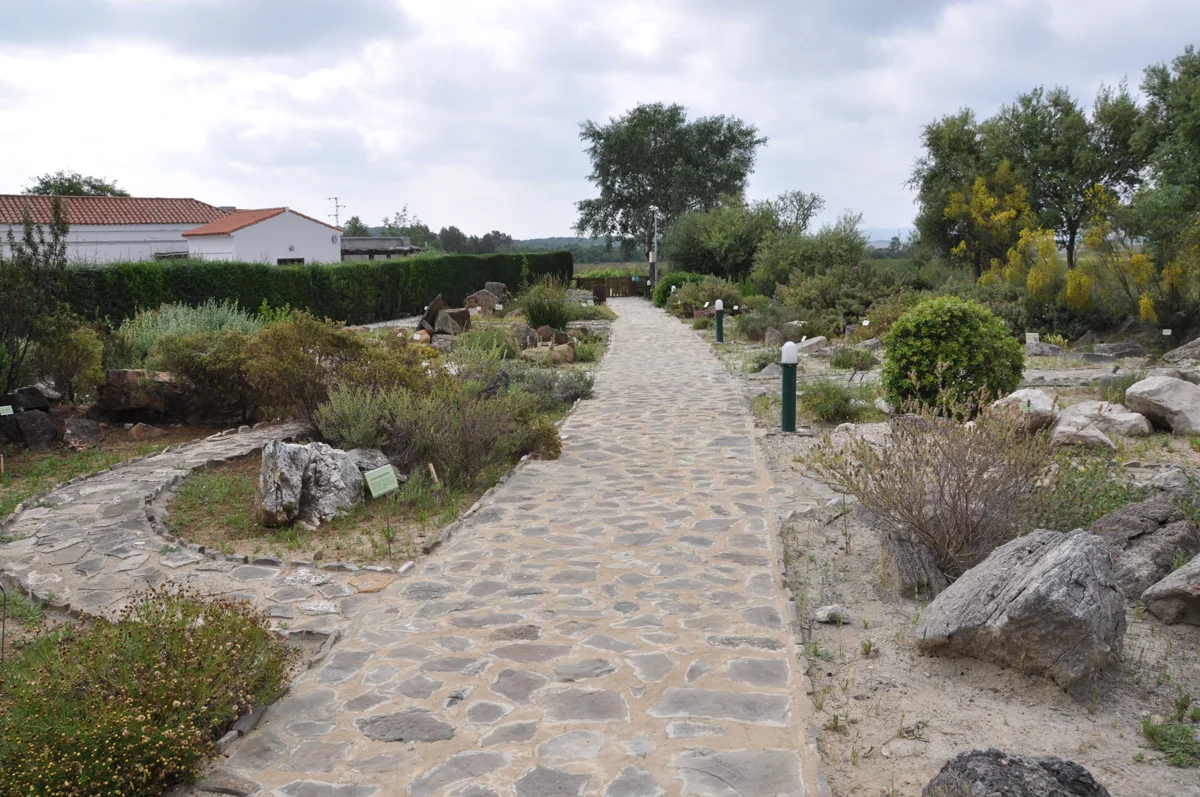
For a first visit, begin with the El Aljibe visitor centre and neighbouring botanical garden near Alcalá de los Gazules. The exhibition connects the forest with the people who have worked it; the garden brings contrasting plant communities together in a manageable space. Its planted displays are an introduction to the surrounding landscape, not a substitute for the care needed in wild ravines.

Then choose one outing. Garganta de Puerto Oscuro is the compact woodland option near El Picacho, while Valdeinfierno near Los Barrios offers a longer circuit and a separate adapted section. These are different trailheads, so resist treating the park as a single attraction with everything beside one car park. Several other popular routes remain under closure notices; use the dated access section below before making plans. Unlock an interactive field guide for this spot: get the Snappit app to identify nature on the go.

The park was protected in 1989, but people have shaped these woods for much longer. Cork extraction, grazing and charcoal-making help explain the landscape seen today. The red-brown lower trunks are a useful conversation starter: cork is harvested bark, and a carefully worked tree can grow another layer. Old ovens and charcoal-making remains on the public trails connect that story with everyday life in the forest.

What to do here

Explore El Aljibe’s exhibition, compare the botanical garden’s dry and damp habitats, and add one signed woodland walk if conditions allow. Look for cork-harvesting marks, fern shapes and the contrast between open woodland and a shaded stream corridor. Bring binoculars for birds overhead, with the forest itself as the main event.

Seasonal info

Rain brings the seasonal ponds back to life, but also mud, slippery surfaces and possible storm damage. Summer calls for short early outings, ample water and fire checks. The end of the usual high-fire-risk period does not cancel storm-repair closures. In autumn and winter, ask about hunting-related closures before travelling.

Accessibility

Choose a particular facility or section rather than relying on a park-wide accessibility label. El Aljibe is listed with physical and hearing-accessibility provision, and the garden with physical accessibility. At Valdeinfierno only a short section is adapted; the complete circuit is not. Ask staff about the current surface, reserved-parking access and toilets before travelling.

Don't miss

1

El Aljibe

an exhibition and botanical garden that turn a large park into an understandable first visit.

2

Garganta de Puerto Oscuro

a short signed loop with cork woodland, a seasonal pond and a shaded gorge.

3

Valdeinfierno

streamside vegetation, mossy trees and traces of charcoal-making.

4

The canuto habitat

a glimpse of moisture-loving woodland within Mediterranean Andalucía.

A stone-paved garden path passes low planting beds, rocks and small labels, with a white building to the left.

Paths and planting beds at Jardín Botánico El Aljibe, photographed in May 2016.

Jardín Botánico El Aljibe.jpg — Xemenendura / Wikimedia Commons / CC BY-SA 4.0 International · Creative Commons 1 · Creative Commons 2

Walks and routes

Garganta de Puerto Oscuro

The shortest complete woodland walk here: about 0.9 km in a loop, with an official time of 45 minutes. Start opposite El Picacho recreation area, follow the marked path past the seasonal pond and through cork woodland, then continue into the gorge before returning. The pond can dry in summer. Leave time to stop at the old-oven interpretation and compare the open and damp woodland.

Officially low difficulty, but the leaflet describes loose material on the path. There is climbing and descending, and a road crossing from the recreation area. This is not presented as a step-free route; choose the garden if uneven footing is a problem.


Garganta de Puerto Oscuro

Valdeinfierno: full woodland circuit

Allow the official 2½ hours for this roughly 5–5.2 km circuit, plus nature stops. From the track the route moves into streamside woodland and then rougher ground; follow the signed circuit rather than an informal line into the ravine. Its old charcoal-making platform adds a human story to the trees and ferns.

The full circuit combines a track, an adapted stretch and earth paths. Low official difficulty is not a wheelchair-accessibility guarantee. For a shorter adapted outing, use the separate option below.

Valdeinfierno: full woodland circuit

Valdeinfierno: adapted linear section

A way to experience the streamside setting without committing to the full loop. The leaflet describes 630 m of adapted path from its own reserved parking area. This is a one-way section, so plan the return along the same path as well; it is not a 630 m circuit.

Confirm the vehicle approach to reserved parking, surface condition, usable width and any assistance needed with the park. Ask where the adapted section ends and turn back there; the following woodland path continues over different terrain.

Valdeinfierno: adapted linear section

Arroyo de San Carlos del Tiradero: with advance permission

For a planned return visit, this 2.56 km circuit links streamside trees, damp oak woodland and clay-ground wild olives. The official walking time is one hour; allow more if you are studying plants. Arrange the permit and transport before making it your main outing.

A natural woodland trail rather than a verified step-free route. The approach uses the former Facinas–Los Barrios road, now a forest track. Walking distance on that approach is additional if vehicle access is unavailable.

Arroyo de San Carlos del Tiradero: with advance permission

A gentle first visit: El Aljibe, 1½–2 hours

Confirm opening, then allow around 30–45 minutes for the exhibition and another 45–60 for the garden, with time to ask about paths. Choose a few labelled plants and finish while everyone is still enjoying it. These are suggested visit lengths; exhibitions, group bookings and individual pace may change them.

A half day around Alcalá de los Gazules

Start at El Aljibe if it is open. After checking access, drive separately to El Picacho for Garganta de Puerto Oscuro, allowing at least its official 45-minute walking time and extra time for stops. Bring a cold picnic. Keep the mountain summits for a separately planned, authorised visit.

A woodland morning from the Los Barrios side

Choose Valdeinfierno’s full circuit or its adapted section according to your group. The full circuit needs 2½ hours of walking before stops; make the short option a self-contained return trip. Carry refreshments and decide the turnaround before anyone becomes tired. There is no need to add another distant trailhead.

Things to try

A family leaf-and-bark comparison

In the garden, choose two labelled plants from a dry habitat and two from a damp one. Compare leaf size, shine and texture by looking closely, then ask which features might help with sunlight or water. Photograph the labels rather than picking samples.

Follow the working-forest story

Use the visitor-centre exhibition to connect cork, grazing and charcoal with the landscape. On a walk, look at the interpretation of an oven or charcoal-making place before trying to imagine how people worked in the woods. Stay clear of modern harvesting and forestry operations.

A quiet five-minute stop

Choose a safe spot beside an open signed path, stop talking and listen. Compare bird calls, moving leaves and running water. It is an easy activity to shorten for children and makes even a small walk feel different from simply covering the distance.

Stay with the exhibition

If El Aljibe confirms that it is open and safe to reach, spend longer with the woodland and traditional-use displays. Leave the garden for a break in ordinary light rain and abandon the outdoor plan in strong wind or severe weather.

Move the forest walk to another day

Heavy rain is a reason to change the plan, not to search for an unmarked detour around a closure. Keep the visit in town or postpone it, particularly when the park warns of landslips or damaged access. Huerta Grande is not a dependable indoor fallback while its closure remains posted.

Wildlife and habitats

Read the cork woodland

Cork oak, Quercus suber, and the local oak Quercus canariensis shape the forest. Compare bark and leaf form from the path, using the garden’s labels first if oak identification is new to you. Worked cork trunks tell a different story from untouched bark; never peel or score them.

Ojaranzo and the humid canuto

Ojaranzo is the local name for the park’s native Rhododendron ponticum subsp. baeticum. Look for the change to moisture-loving vegetation along an authorised public path. Do not seek out remote headwaters or leave the trail to reach a plant.

Ferns, alders and bay laurel

Royal fern, black alder and bay laurel are documented in the park’s humid woodland. Enjoy them as part of a habitat rather than a collecting checklist. El Aljibe’s labelled collection gives you a useful comparison point, especially for plants that are hard to identify in the field.

Fruit and flowers on the strawberry tree

The strawberry tree, Arbutus unedo, is recorded in the woodland and represented in the garden. Look for its red-orange fruit and pale hanging flowers when present. Leave the fruit for wildlife and use the label to distinguish the plant from other evergreen shrubs.

Birds without a chase

Griffon vultures and kingfishers are documented wild birds of the park. Watch open sky from a safe public stopping place and listen quietly beside permitted water-side paths. Do not approach nesting cliffs, use calls to draw birds out or make a sighting the condition for a successful day.

Garden records and wild encounters

The garden is a cultivated collection, while the woodland species above also have park-specific wild records. Wildlife sightings and flowering vary. Stay on the path, keep a respectful distance and leave plants, fungi and animals undisturbed.

Stories and discoveries

A forest can receive water from fog

Moist air and fog help sustain some of the park’s unusually humid woodland. In sheltered places, evergreen shrubs, ferns and climbing plants create a striking contrast with the drier Mediterranean hills outside. The garden lets you compare those communities without entering their most fragile wild sites.

Bare-looking trunks can be working trees

The smooth reddish lower part of a cork oak can show where cork was harvested. The bark regenerates, allowing repeated harvests when the work is done properly. Look at colour and texture from the path; harvesting is skilled work, not something to imitate.

A dry pond is still a habitat

The pond on the Puerto Oscuro walk is seasonal. A dry summer basin is part of its natural cycle, so keep to the route rather than walking into it. Visit after suitable rains for a different view, while checking that the surrounding path is safe.

When to visit

Spring

Choose a settled day for a plant-focused visit and leave time in the garden to see what is flowering. Rain-fed ponds and damp woodland can be particularly rewarding, but check the trail condition after wet spells.

Summer

Keep walks short and early, carry enough water and check heat, wind and fire restrictions. Expect some ponds to be dry. Use the exhibition as an option only after confirming its opening; do not count on a cool ravine to make a hot-day hike safe.

Autumn

Watch for changing fruit and fungi after suitable rains, without picking or eating them. Ask about hunting closures and remember that the calendar turning past 15 October is not proof that a storm-damaged route has reopened.

Winter

Prefer a short, flexible plan with an indoor stop. Avoid ravines during heavy rain, strong wind or warnings, and recheck after storms. With shorter daylight, choose your turnaround early rather than adding another section.

Getting there and practical advice

El Aljibe visitor centre

The main orientation stop is on the A-2228 towards Benalup-Casas Viejas, about 1 km from Alcalá de los Gazules. Its exhibition explains the relationship between people and woodland. Telephone +34 685 122 686 or email [email protected] for opening, group arrangements and the services available on your day.

El Aljibe botanical garden

Beside the visitor centre, the garden represents habitats including cork woodland, damp oak woods, canutos and open scrub. Ask about current opening and guided group visits at [email protected]. Treat the garden and exhibition as two facilities whose hours may differ.

El Picacho recreation area

The official listing provides parking and picnic tables in shaded woodland. It describes an abrupt first entrance and a second entrance for people with disabilities. Use that information for the picnic area only; it does not make the walks beyond accessible. Bring a cold meal and your own drinking water.

Toilets, food and drinking water

Ask El Aljibe which toilets are available during your visit, including an accessible toilet if needed. Do not rely on toilets, a café or drinking-water refills at the trailheads. Buy supplies before leaving town, and take litter away.

Huerta Grande: do not plan on an open exhibition

The official visitor-centre page currently says temporarily closed. Its role is to interpret the southern park and the Strait area, but check for a confirmed reopening before travelling there for information or indoor shelter.

Getting to the first-visit base

For El Aljibe, follow the official directions from the A-381 towards Alcalá de los Gazules and then the A-2228 towards Benalup-Casas Viejas. The centre and garden are signed beside the road. Search for the facility name as well as the road: older documents use different road labels and kilometre references.

Trailheads are separate destinations

El Picacho is on the A-2304, around km 13–14 between Alcalá de los Gazules and Ubrique. Valdeinfierno is reached from A-381 exit 73 and the service road towards Los Barrios. Use the official route directions and legal parking; do not stop on a motorway shoulder or block a gate.

Without a car

Arrange a return transfer or a guided outing to the exact trailhead before committing to a rural walk. The trail leaflets mention regional public transport, but they do not establish a current bus stopping at these trail starts. Confirm both ends of any journey rather than assuming an arrival in a nearby town solves the last leg.

El Aljibe: ask about your particular needs

The official park directory marks the visitor centre for physical and hearing accessibility and the garden for physical accessibility. Ask about the step-free entrance, surfaces, slopes, seating, accessible toilets and the interpretation support currently offered. A symbol does not describe the whole visit.

Valdeinfierno: reserve the right approach

The accessible section starts from a separate reserved parking area rather than requiring the entire circular walk. Confirm whether the approach is open and whether vehicle permission or assistance is needed that day. Plan to return before the adapted surface ends.

Pushchairs and very young walkers

For a pushchair, discuss the garden paths first. Puerto Oscuro’s loose surfaces and Valdeinfierno’s natural sections can be awkward; an official low-difficulty rating is intended for walking, not a guarantee for wheels. Pick the shorter outing and keep a simple way back.

Check before choosing a trail

Checked 17 October 2026: the notice dated 24 June still lists Río de la Miel, Río Guadalmesí, Subida al Aljibe, Travesía del Aljibe, Vereda Ubrique–Asomadillas and the Picacho–Peguera cycle route as closed for storm-damage repairs. Do not use them until reopening is confirmed.

The Málaga-sector closure is a separate notice

The notice dated 27 February 2026 closes Garganta Pulga, La Laguna del Moral and Carril interior de La Sauceda until further notice because of access conditions and landslip risk. A normal-looking route description does not override that notice.

Two visitor centres, different current situations

Make El Aljibe your first enquiry: +34 685 122 686, [email protected]. Confirm the day’s opening and services. Huerta Grande, the southern visitor centre near El Pelayo, is currently marked temporarily closed; do not rely on it for a staffed stop.

Permits for deeper woodland visits

Advance authorisation is listed for Subida al Picacho, Subida al Aljibe, La Sauceda, Canuto de Risco Blanco, Travesía del Aljibe, Picacho–Peguera and San Carlos del Tiradero; Llanos del Juncal also requires it. Use the authorisation option on the relevant official route page. A permit never overrides a closure.

Apply early and separate walking from driving

The park’s application sheet asks for at least one week’s notice. It restricts vehicle access for Risco Blanco and San Carlos del Tiradero to authorised arrangements on the first and third weekends of a month, with quotas and number plates. Confirm the current arrangement and fire restrictions with the park before booking transport. Park enquiries: +34 856 587 508, normally Monday–Friday 09:00–14:00 excluding public holidays.

Fire, weather and hunting restrictions

The 2026 high-fire-risk season ran from 1 June to 15 October. Fire restrictions can also apply with very high or extreme risk outside those dates, and individual paths may close for weather, repairs or hunting. Check the current notice and follow barriers. A cold picnic avoids relying on whether a barbecue is usable.

Sources and useful links

Wildlife you might spot

8

Each card links to a full Explore page with photos, traits, and fun facts.

Snap map for this place

Start with the big picture, then zoom in to explore individual wildlife observations around this place.

Loading map…

Good to know before you go

Read both current closure notices before setting out; a trail leaflet or an unlocked gate does not mean a route has reopened.

Book restricted walks in advance. A walking permit and permission to drive a forest track are separate things to confirm.

Carry drinking water, grippy footwear, sun protection and a charged phone. Download the official route leaflet before leaving reliable coverage; call 112 in an emergency.

At El Picacho, take care between the recreation-area parking and the trail across the road. Keep children close at the crossing and beside water.

Stay on signed public routes and respect estate gates, livestock and work areas. Protected land can still be privately owned.

Keep dogs on a lead; pets are prohibited at Llanos del Juncal. Check the garden and any booked activity’s own rules.

Bring a cold picnic. Never light fires on the walking routes, and check current fire restrictions even where a picnic area has built-in barbecues.

Leave bark, flowers, fungi and animals where they are. Photograph from the path and give wildlife space; do not handle pond life or feed animals.

Frequently asked questions

Confirm El Aljibe’s opening, visit the exhibition and garden, then decide whether to add a walk. You can have a worthwhile plant-focused visit without heading deep into a canuto.
No. The official leaflets say no special authorisation is needed for Garganta de Puerto Oscuro or Valdeinfierno. Other routes, including San Carlos del Tiradero and Canuto de Risco Blanco, require advance authorisation. Any closure or temporary restriction still applies.
Garganta de Puerto Oscuro is about 0.9 km and officially takes 45 minutes. Its loose-surfaced path and road crossing call for proper shoes and supervision. Choose the garden instead if the ground is wet or the group needs a smoother outing.
Partly. An adapted linear section has reserved parking at its start; the leaflet gives 630 m, while the web description rounds it to 600 m. Confirm the approach and current condition. Do not plan on the whole woodland circuit being accessible.
Both are named in official closure notices still posted when checked on 17 October 2026. Leave them out of your plan until the park confirms reopening; there are separate notices for the Cádiz and Málaga sectors.
The garden is a cultivated conservation and interpretation collection. Its labels help you learn the local flora, but seeing a plant there does not establish that it grows wild beside your chosen trail.
Ask El Aljibe for current opening times and prices, including any guided visit or workshop. Check both the visitor centre and the garden before making a special trip, as their arrangements can differ.
No. Use public signed access or an explicitly authorised visit. A road appearing on a map, an open gate or a park permit does not by itself give permission to enter an estate or drive a restricted track.

Recent snaps at this place

Recent snaps will appear here as new observations are added.

View all ›

Take the discovery with you

Exploring Los Alcornocales Natural Park?

Identify the wildlife you spot, learn as you go, and keep a collection of the adventure.

  1. 1Spot it
  2. 2Snap it
  3. 3Keep the discovery