Snappit logo
Snappit
Get App
Generic illustration, not a photograph of this venueIllustration
ParkKansai, Japan

Nagai Park

Nagai Park is big enough to contain major stadiums and still offer a day of flowers, trees and small discoveries.

About

Nagai Park is big enough to contain major stadiums and still offer a day of flowers, trees and small discoveries. For a nature-focused first visit, head to its southeastern corner, where Nagai Botanical Garden and Osaka Museum of Natural History were designed to be enjoyed together. The wider 66.3-hectare park is free; the roughly 24.2-hectare botanical garden has its own entrance and daytime hours. A standard day ticket also opens the door to the museum’s permanent displays.

Start with the garden’s latest flowering map and choose one or two collections that are looking good. Roses, hydrangeas, peonies and irises each have their moment, while the large pond gives the walk a pleasing change of pace. Stop to compare the same water from the entrance side and a bench farther round. For children, finding three different leaf shapes or watching a reflection break into ripples is a perfectly good plan.

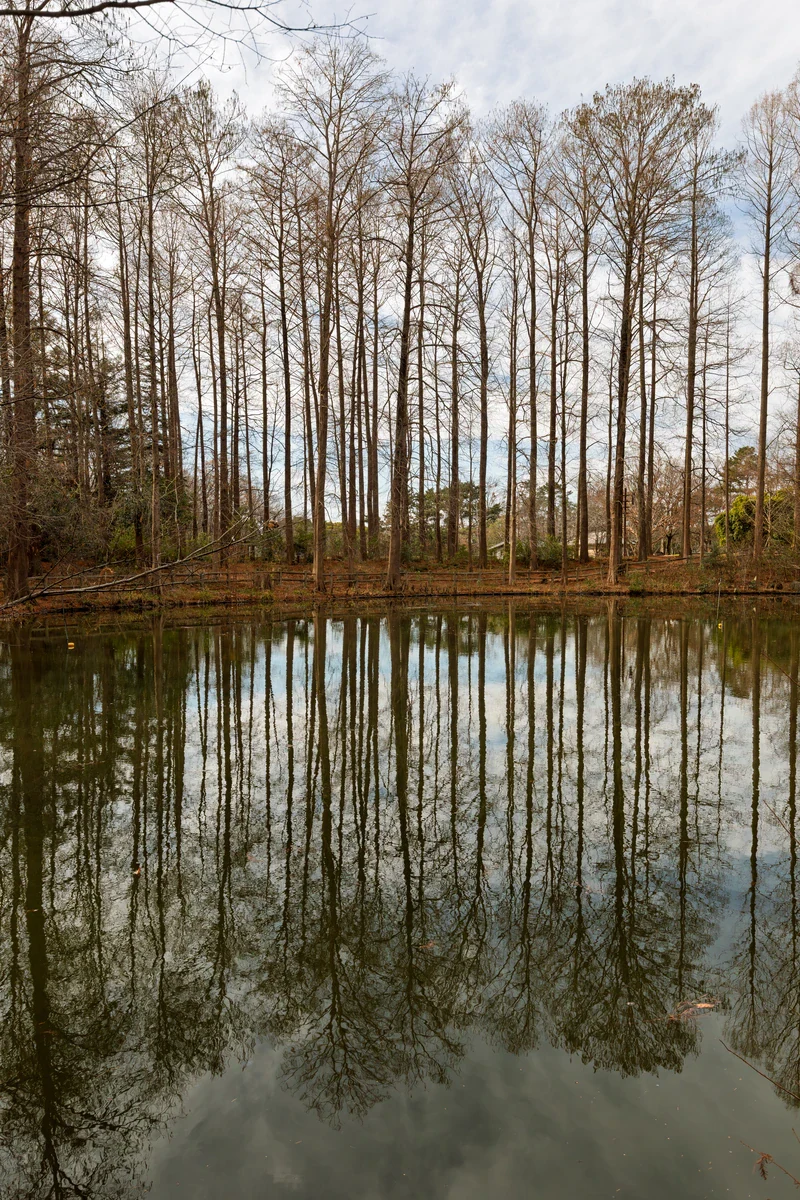
The History Forest adds a longer timescale. Its planted areas explore forests associated with different chapters of Osaka’s past, using living plants, including suitable relatives of ancient species. These are carefully chosen teaching collections rather than untouched prehistoric woodland. Around the small pond, dawn redwoods invite a closer look; elsewhere, the managed satoyama woodland shows how people’s work can help maintain a particular kind of habitat.

Finish indoors with an Osaka story. The museum’s huge fin-whale skeleton, Nagasuke, and its Naumann elephant reconstruction give younger visitors something memorable to look for, while the galleries connect local landscapes with the history of life. You do not have to see every room: pick one question from the garden, such as why trees lose their leaves or how a forest changes, and keep it in mind as you explore. The nighttime teamLab exhibition is a separate visit with its own tickets and timetable. Eager to name that creature? Identify any animal you find during your visit using the Snappit app.

Nagai Park first opened in 1944. The botanical garden and the natural history museum at Nagai opened together on 27 April 1974, joining outdoor plant collections with indoor learning about nature. The Flower, Greenery and Nature Information Center followed in 2001. Today’s History Forest and satoyama work continue that link between a pleasant walk and understanding the living landscape.


What to do here

Combine a seasonal flower collection, the pond and History Forest with a focused museum visit. Leave room for a picnic or a relaxed bench stop instead of trying to cover every garden.

Seasonal info

Winter has bare branches, evergreen foliage and early flowers; spring and autumn favour longer walks. In summer, bring water and shorten the outdoor part in strong heat. Use the current flowering report rather than last year’s dates to choose your route.

Accessibility

The garden’s main paths are asphalt and can form a wheelchair circuit, but some paths in the hydrangea and rhododendron areas and Azalea Hill are unpaved or steep. The museum has step-free interiors and an elevator to the second floor. Ask at a staffed entrance for a route suited to your wheelchair or stroller.

Don't miss

1

Seasonal beds chosen with the garden’s regularly updated flowering map.

2

The big pond’s changing views and the small pond’s trees.

3

History Forest and a managed satoyama woodland, with living plants that help explain Osaka’s past.

4

Whale and elephant displays followed by a closer look at local nature in the museum.

Walks and routes

Flowers, a pond and an Osaka story

Enter through the main gate or information center, collect the flowering map and choose the day’s best flower collection. Make time for the big pond and a History Forest stop by the small pond. After a picnic break, head to the museum and choose a few permanent galleries. Reverse the outdoor and indoor parts if rain is expected.

Use the main paved garden paths and ask staff before taking side paths into the specialist collections. The museum elevator serves its upper galleries.

Flowers, a pond and an Osaka story

If you have only 90 minutes

Choose either a flower-and-pond garden visit or a museum visit with one main theme. Trying to include the whole History Forest and every museum room will leave little time to stop. If you choose the garden, ask which collection is best today and make that your turning point.

Things to try

Make a three-shape nature page

Give each child a page divided into three boxes: a leaf outline, a tree silhouette and a pattern on the water. Sketch from the paths, add the plant name from a label if you can, and compare pages at your next bench stop. Nothing needs to be picked or taken home.

Let children choose a museum challenge

Ask at reception about the free exploration sheet for junior-high pupils and younger. There are three difficulty levels, so siblings can try different challenges. Only touch displays specifically marked for handling; those offer a different way to explore rocks, bones and other natural objects.

Put the museum first

A rainy day can still work if the museum is open: choose local nature or Earth history, then take a short garden walk if the weather improves. The information center is another indoor stop. When an official severe-wind warning (暴風警報) is issued for Osaka City, the garden and information center close; check the museum’s own notice too before travelling.

Wildlife and habitats

Dawn redwood: a conifer that changes colour

In the History Forest’s Paleogene/Neogene area, look for the メタセコイア label. Its fine foliage sits in opposite pairs, and it turns bronze before dropping for winter. Compare a leafy branch with the tree’s winter outline if you return in another season. The garden lists November–December for its autumn colour.

Sawtooth oak: an acorn with a shaggy cup

Look for クヌギ labels around the lawn or Life Garden. When acorns are present, notice the rounded nut and its densely scaled cup without collecting it. This is a useful tree for talking about satoyama: its wood has long been used for fuel and for growing shiitake mushrooms.

Southern magnolia: broad leaves and big flowers

The Magnolia Garden’s タイサンボク keeps its leaves through winter. Around June, look up for large white flowers; outside flowering season, compare its broad evergreen leaves with the dawn redwood’s much finer foliage. These magnolias are garden plantings of a North American species.

The plants below are cultivated garden trees. Use their labels to confirm your find, and look without picking leaves or taking fallen seeds. Birds and insects may add to the visit, but give them space and let them come and go.

Stories and discoveries

Nagasuke, the museum’s 19-metre fin-whale skeleton, came from an animal that washed into Sakai-Senboku Port in 1990. It makes a vivid link between a city museum and the sea beyond Osaka.

A woodland can change when people stop cutting and tending it. Nagai’s satoyama project uses active care to keep part of its planted secondary woodland in that form, rather than simply leaving every area to grow in the same way.

When to visit

Spring into early summer

Use the monthly map for blossom and fresh leaves, then the rose collection in late spring. June shifts attention to hydrangeas and Japanese irises. Pick one main display and leave the rest as a bonus; flowering dates vary with the weather.

Summer

Keep the garden walk shorter on hot days and use the museum for a longer indoor stretch. Carry water, take shade breaks and check the latest report for the seasonal flower beds. The ponds are for viewing, not paddling.

Autumn

Autumn roses are usually a draw from mid-October into mid-November, followed by tree colour as the season progresses. A report from 14 October 2026 had roses just beginning while dahlias and ornamental grasses were already looking good, a reminder to check what is ready rather than assume everything peaks together.

Winter

Look for evergreen leaves against bare branches and spend a few minutes at the small pond, where winter outlines can be as interesting as flowers. Camellias and other early flowers offer smaller discoveries. The shorter winter opening hours make an early afternoon arrival more useful than a late one.

Tall, mostly bare trees reflected in still pond water beneath a pale winter sky at Nagai Botanical Garden.

Bare trees and their reflections beside a small pond in Nagai Botanical Garden, photographed in January 2026.

© Laitche / Wikimedia Commons / CC BY-SA 4.0. Winter view of a small pond at Nagai Botanical Garden, January 2026 - 2662.jpg. Source: https://commons.wikimedia.org/wiki/File:Winter_view_of_a_small_pond_at_Nagai_Botanical_Garden,_January_2026_-_2662.jpg. License: https://creativecommons.org/licenses/by-sa/4.0/. Proportional downsampling to fit 1200 × 1200 pixels, without enlargement; WebP quality 92, method 6. No crop, retouch, recoloring or text added. EXIF omitted. Source EXIF records Adobe Photoshop 27.2 (Windows), modified 2026-01-22; no specific crop or retouch declared. Source rendering retained. · Creative Commons

Getting there and practical advice

Flower, Greenery and Nature Information Center

This is a useful staffed arrival point, with free general displays, plant-information resources and a museum shop. It also has accessible toilets, baby-changing facilities and a nursing room. Check with staff before using the nursing room; the center follows its own opening calendar.

Food and rest stops

Pack lunch if a flexible break matters to your family. You can eat outdoors in the garden, with benches around the pond and lawn. The Good and New sells lunch boxes and drinks, while food trucks depend on the day; check service times before relying on them.

Aim for the garden entrance, not just the park

Osaka Metro’s Midosuji Line serves Nagai Station. Exit 3 is close to the wider park, but the garden and museum are about 800 metres farther east. JR Hanwa Line Nagai Station’s east exit is about one kilometre from them. If you need step-free access, use the station elevator and the garden’s linked elevator-route directions.

Parking works to check before driving

As checked on 16 October 2026, botanical-garden-front parking is under phased restrictions that began on 4 October. The notice schedules full closure from 28 December 2026 and reopening around November 2027. The stadium-front car park is separately unavailable through 24 October 2026. Check the latest park notices and available alternatives for your date; do not assume a space beside the garden.

Garden paths and loans

The main asphalt paths allow a garden circuit. Some hydrangea, rhododendron and Azalea Hill paths have steep gradients or unpaved sections, so choose the route with staff. Free wheelchairs and strollers are available in limited numbers at the main and information-center gates; they cannot be reserved or taken into the wider park.

Museum access and family support

The museum has an elevator to the upper floor, accessible toilets and a nursing/first-aid room. Strollers are allowed inside. Visitors who need a larger lift for a stretcher-type wheelchair should speak to staff, and large-print or braille exhibition guides can be requested at the entrance.

Sources and useful links

Wildlife you might spot

3

Each card links to a full Explore page with photos, traits, and fun facts.

Snap map for this place

Start with the big picture, then zoom in to explore individual wildlife observations around this place.

Loading map…

Good to know before you go

The standard daytime ticket is ¥300 for adults and ¥200 for high-school and university students with student ID; junior-high pupils and younger enter free. It includes the museum’s permanent collection when open. Special exhibitions cost extra, and museum free-entry days do not automatically give free garden admission.

Garden and museum normally open 09

30–17:00 from March to October, last entry 16:30; November to February is 09:30–16:30, last entry 16:00. Both normally close Mondays, the next weekday when Monday is a holiday, and 28 December–4 January. Check the calendar for exceptions.

For a straightforward family arrival, use the staffed main gate or the Flower, Greenery and Nature Information Center. The northeast gate is unstaffed and requires a QR ticket; even free child tickets need advance arrangements there.

From Osaka Metro Nagai Station, the garden and museum are about 800 metres east of Exit 3. JR Nagai’s east exit is about one kilometre away. Allow time for the walk through the park after leaving the station.

Check parking before driving. Restrictions at the botanical-garden-front lot began on 4 October 2026, with full closure scheduled from 28 December; the stadium-front lot is also closed through 24 October 2026. Rail is the simpler choice during these works.

Leave flowers, fallen leaves, acorns and insects where they are, and stay out of the ponds and streams. The park has warned about poisonous mushrooms: keep children from touching or eating them.

Bring a picnic and drinking water. Garden benches and the lawn make useful rest stops; take your rubbish home. Food trucks are date-dependent, and the information center does not have an indoor place for eating your own packed lunch.

Pets cannot enter the botanical garden, but assistance dogs are allowed. Check current notices before setting out, especially during stormy weather or major stadium events.

Frequently asked questions

Yes. The wider public park is free and normally open around the clock. The botanical garden and museum have separate opening hours and admission arrangements, while the information center’s general areas are free.
A standard botanical-garden day ticket includes the museum’s permanent collection, and an ordinary museum admission ticket includes the garden. This depends on the facilities being open; museum free-entry days are an exception to garden access. Temporary special exhibitions have separate charges. Annual-pass benefits are different, so check them before buying.
Plan it as a separate evening outing. teamLab Botanical Garden Osaka uses the garden after dark, but its tickets, entry arrangements and opening calendar are its own. Check the official teamLab site for your date; the daytime ticket does not cover the night exhibition.
The garden offers free loans at the main gate and information-center entrance, first come, first served, without advance reservations. Loans are for the garden and museum during that day’s opening hours, and cannot be taken into the wider park. Ask staff which paths to use.
Put the museum first and use a break in the weather for a short garden walk. The information center offers another indoor stop, but both it and the garden close when an official severe-wind warning (暴風警報) is issued for Osaka City. Check reopening notices rather than relying on the usual hours.
It is a planted collection created to explain changing forests and climates. Some trees are living relatives chosen to represent plants of earlier periods, so read the signs rather than assuming every tree belongs to the era named on the area.

Recent snaps at this place

Recent snaps will appear here as new observations are added.

View all ›

Take the discovery with you

Exploring Nagai Park?

Identify the wildlife you spot, learn as you go, and keep a collection of the adventure.

  1. 1Spot it
  2. 2Snap it
  3. 3Keep the discovery