Snappit logo
Snappit
Get App
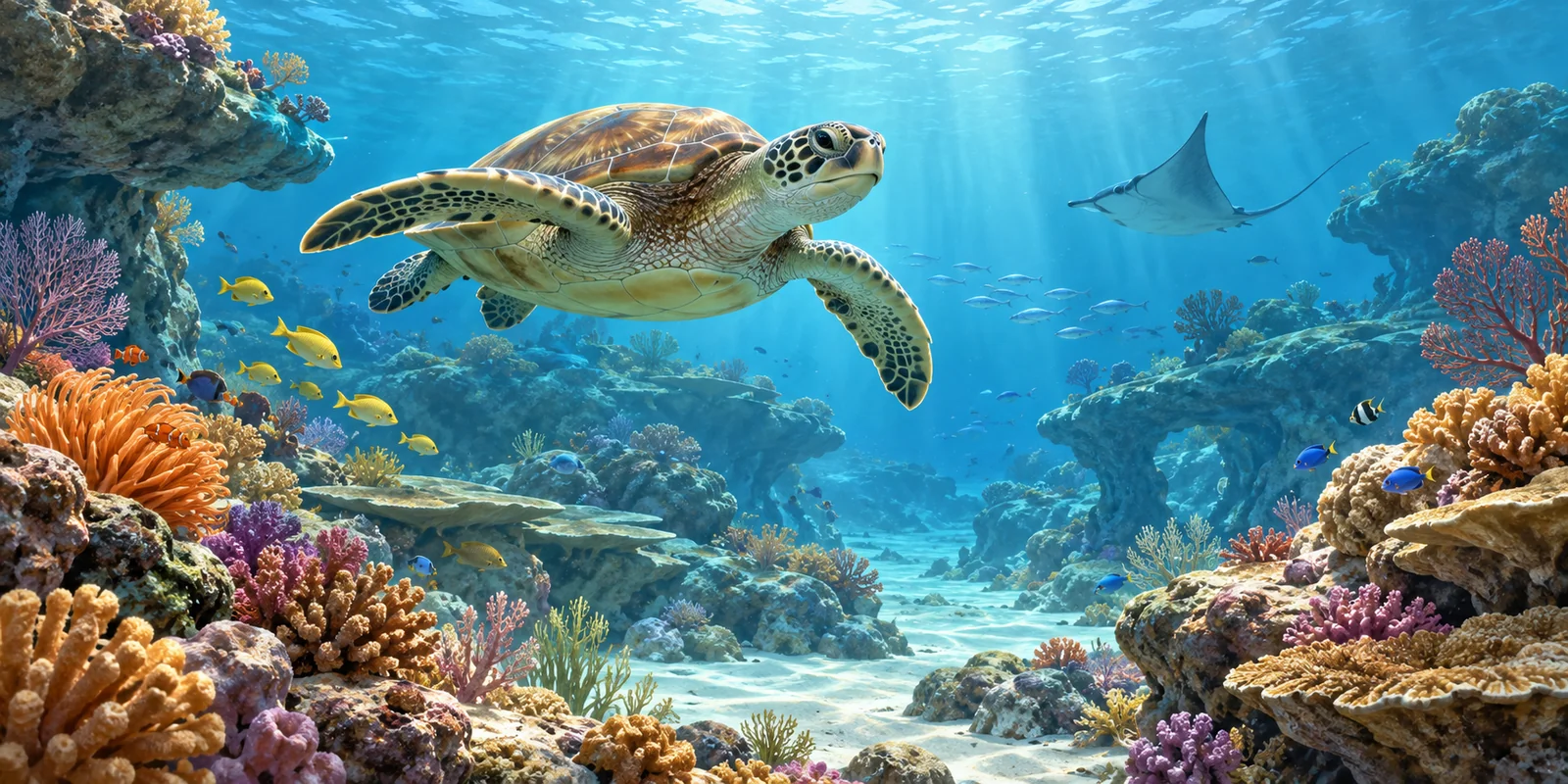
Generic illustration, not a photograph of this venueIllustration
AquariumNordrhein-Westfalen, Germany

Aquazoo Löbbecke Museum Düsseldorf

Come to the Aquazoo for living coral, diving penguins and tropical crocodiles, with natural-history objects that help explain what you’re watching.

About

Come to the Aquazoo for living coral, diving penguins and tropical crocodiles, with natural-history objects that help explain what you’re watching. The whole exhibition is indoors, but its 25 themed rooms take you through seas, fresh water and life on land. Start with the introductory displays, then follow the circuit towards the marine aquariums rather than rushing straight to a favourite animal.

The pleasure here is in switching scale. Watch the large reef aquarium, then give the smaller tanks time: a quiet corner can be as absorbing as a busy shoal. Later, the planted tropical hall puts crocodiles into a very different setting. Along the way, microscopes, touch displays and experiments give children something to investigate between animal stops.

Keep an eye out for Fred, the mudskipper mascot, who introduces the children’s interpretation. His living relatives can perch above the water on roots and rocks, a memorable stop in a museum about the move from water to land. The enormous sperm-whale skeleton belongs to the museum collection, alongside preserved specimens and fossils. Looking closely at these objects is part of the visit too. Planning to visit? Download the Snappit app to identify the wildlife you spot in real-time.

The museum brings together two Düsseldorf stories: the zoo founded in 1876 and Theodor Löbbecke’s natural-history collection, given to the city by his widow in 1901. After wartime destruction, the museum reopened in an air-raid bunker in 1947 and added an aquarium the following year. The combined institution moved to Nordpark in 1987.

What to do here

Follow the exhibition plan from the marine rooms D–F through the freshwater displays H–K and the transition onto land in L. Pause at the penguins in M, explore the arthropod section, then enter the tropical rainforest in Q. Continue through the available land displays and save a little attention for the return-to-the-sea and mineral sections near the end.

Give children a small challenge: find one animal swimming, one resting and one using a surface above the water. At the reef, compare how differently shaped fish move. Use one interactive station properly rather than trying to complete every activity. A keeper’s commentary can make a good anchor for the visit; check the day’s enclosure notices on arrival.

Seasonal info

This is a useful all-weather outing throughout the year. Wear layers for the tropical hall and leave the outdoor Nordpark extension for weather that suits your family. Partial refurbishment still affects the land section; check the current notice if reptiles or amphibians are your main reason for visiting.

Accessibility

The entrance is level and has an automatic door, but the exhibition changes levels. Collect a lift operating key at the ticket desk. Three exhibition lifts/platform lifts measure 160 × 90 cm; the lift from the upper floor to the exit measures 220 × 90 cm. There is an accessible ground-floor toilet with transfer space on one side. Wheelchairs can be borrowed free after telephone arrangement on 0211 8996764 or 0211 8996198. Assistance dogs are admitted.

Don't miss

1

Living reef

Slow down in the marine rooms for the large aquarium and living coral, then compare their inhabitants with the smaller displays.

2

Penguins and puffins

Watch two different kinds of seabird in their separate exhibits and look for a change between resting and swimming.

3

Tropical forest

Follow the hall’s visitor walkway to look for freshwater and dwarf crocodiles among the planted surroundings.

4

Hands-on natural history

Combine microscopes and experiments with a close look at the sperm-whale skeleton, fossils and mineral displays.

Walks and routes

The exhibition’s water-to-land circuit

Use the lettered exhibition plan to follow the marine and freshwater rooms, penguins, arthropods and tropical hall, then the available land displays towards the exit. A shorter visit means selecting fewer stops along this circuit.

Ask for a lift key at admission if needed. Stair lifts are reserved for wheelchair users and people with reduced mobility; discuss pushchair arrangements with staff.


The exhibition’s water-to-land circuit

A focused 90-minute visit

Choose the reef, penguins and tropical hall as longer pauses, moving more quickly through the intervening displays. Add one Fred activity if attention and time allow.

A relaxed half-day outing

Give the exhibition 2–3 hours, including a small-animal stop and a hands-on station. Eat before or after the museum, then let children finish with a Nordpark playground if the weather is inviting.

Things to try

Fred’s above-water fish challenge

At the mudskippers, search the roots and rocks before the pool. Ask children how a fish might support itself outside water, then use Fred’s interpretation to explore the answer.

Living animal or museum object?

Choose a live animal, a skeleton and a fossil during the circuit. Let each person explain what the different displays can tell you: movement, body structure or evidence of past life.

Keep the whole outing indoors

On a wet day, spend the extra time with the mineral displays, microscopes or an audio guide instead of extending the trip into Nordpark. Remember to plan your meal around the museum’s no-food rule.

Wildlife and habitats

Watch the water as well as the resting area. A swimming penguin gives a completely different impression from one standing still; the Friday commentary adds a chance to hear about its care.

Look for the pale face and substantial bill, then wait to see whether a bird enters the water. Compare its swimming with the penguins when you visit their separate exhibit.

From the visitor walkway, look along the pool margins as well as the water. The long, narrow snout is a useful feature to compare with the dwarf crocodiles; a resting animal can take patience to spot.

Scan both the water and the land beside it, staying behind the railing. Compare the head shape with the freshwater crocodile, and spend a moment looking for small movements rather than expecting a swimming display.

Give the small mammals their own stop between the larger exhibits. Watch where each gundi chooses to rest and whether the animals stay close together; use the enclosure label to distinguish them from the mongooses.

Watch for searching and foraging rather than waiting for a pose. Keepers have used food-finding challenges with this species; the Tuesday commentary is a useful way to learn more about the small predators.

Stories and discoveries

Two ways of seeing a crocodile

The tropical hall brings together Australian freshwater crocodiles and African dwarf crocodiles. Compare their snouts: the freshwater crocodile’s narrow jaws are suited to taking fish.

A museum rebuilt in a bunker

After the war, the surviving collection reopened in an air-raid bunker. The aquarium was added in 1948, decades before the move to Nordpark.

When to visit

Leave room for changes

Use the visitor page for opening exceptions and temporary enclosure notices. Choose any feeding commentary by weekday, and check the enclosure notice again when you arrive.

Getting there and practical advice

Useful things to know at admission

Ask about audio-guide hire, the children’s guide sold in the shop, and the nearest changing facility. A cloakroom and lockers are available for bulky belongings. Food and drink breaks need to happen outside the building.

Arrive through Nordpark

Use the Nordpark/Aquazoo stop for U78 or U79; SB52 is another option listed by the museum. Drivers can use paid parking in Nordpark or the Messe P4 garage at Stockumer Kirchstraße 46. Check the current journey planner before setting out.

Arrange the support you need

Four accessible parking spaces are in front of the entrance. A tactile guide runs from parking to the entrance and through the foyer to the lift, toilets and exit. The museum also offers bookable tours led by staff trained to work with groups with different access needs.

Sources and useful links

Wildlife you might spot

6

Each card links to a full Explore page with photos, traits, and fun facts.

Snap map for this place

Start with the big picture, then zoom in to explore individual wildlife observations around this place.

Loading map…

Good to know before you go

Tickets and entry

Online tickets have an entry time slot and a fast-lane entrance; arrive near the start of your slot. Compare concessions before booking. Children aged five and under enter free.

Finding the right stop

Use Nordpark/Aquazoo on U78 or U79. The address is Kaiserswerther Straße 380, 40474 Düsseldorf; paid visitor parking is available in Nordpark.

Current building work

Some terrariums in rooms R–V are screened off. Naked mole-rats and some frogs, geckos, snakes and small lizards are not on view. Check the official notice before setting expectations.

Eat before the circuit

There is no cafeteria, and eating and drinking are prohibited inside. Plan a snack before entry or after leaving, with time for Nordpark’s playgrounds afterwards.

For small explorers

Viewing steps help children see into tanks and enclosures, and a changing table is available. Audio guides can be hired in English, German and easy-to-understand German.

Catch a commentary

Penguin feeding is listed for Fridays at 12:30 in room M; dwarf mongooses for Tuesdays at 14:30 in W. These commentaries do not run on public holidays; follow the day’s notices.

If you bring a pushchair

Ask staff about the level changes before starting. The house rules reserve the stair lifts for wheelchair users and people with reduced mobility.

Photograph gently

Private photography is allowed without flash. Selfie sticks and gimbals are prohibited. Don’t tap glass or lean over the tropical hall’s railings.

Frequently asked questions

Yes, the entire exhibition is indoors. Nordpark is an optional outdoor extension after your visit.
The family ticket covers up to two people and all their own children or grandchildren under 18. Compare it with individual tickets and any concessions your family qualifies for.
No. The additional conservation contribution is voluntary and can be deselected before buying a ticket.
Assistance dogs are welcome. Other dogs and pets cannot enter the exhibition.

Recent snaps at this place

Recent snaps will appear here as new observations are added.

View all ›

Take the discovery with you

Exploring Aquazoo Löbbecke Museum Düsseldorf?

Identify the wildlife you spot, learn as you go, and keep a collection of the adventure.

  1. 1Spot it
  2. 2Snap it
  3. 3Keep the discovery