Snappit logo
Snappit
Get App
Generic illustration, not a photograph of this venueIllustration
ParkOkinawa, Japan

Keramashoto National Park

Keramashoto is a national park of islands and sea.

About

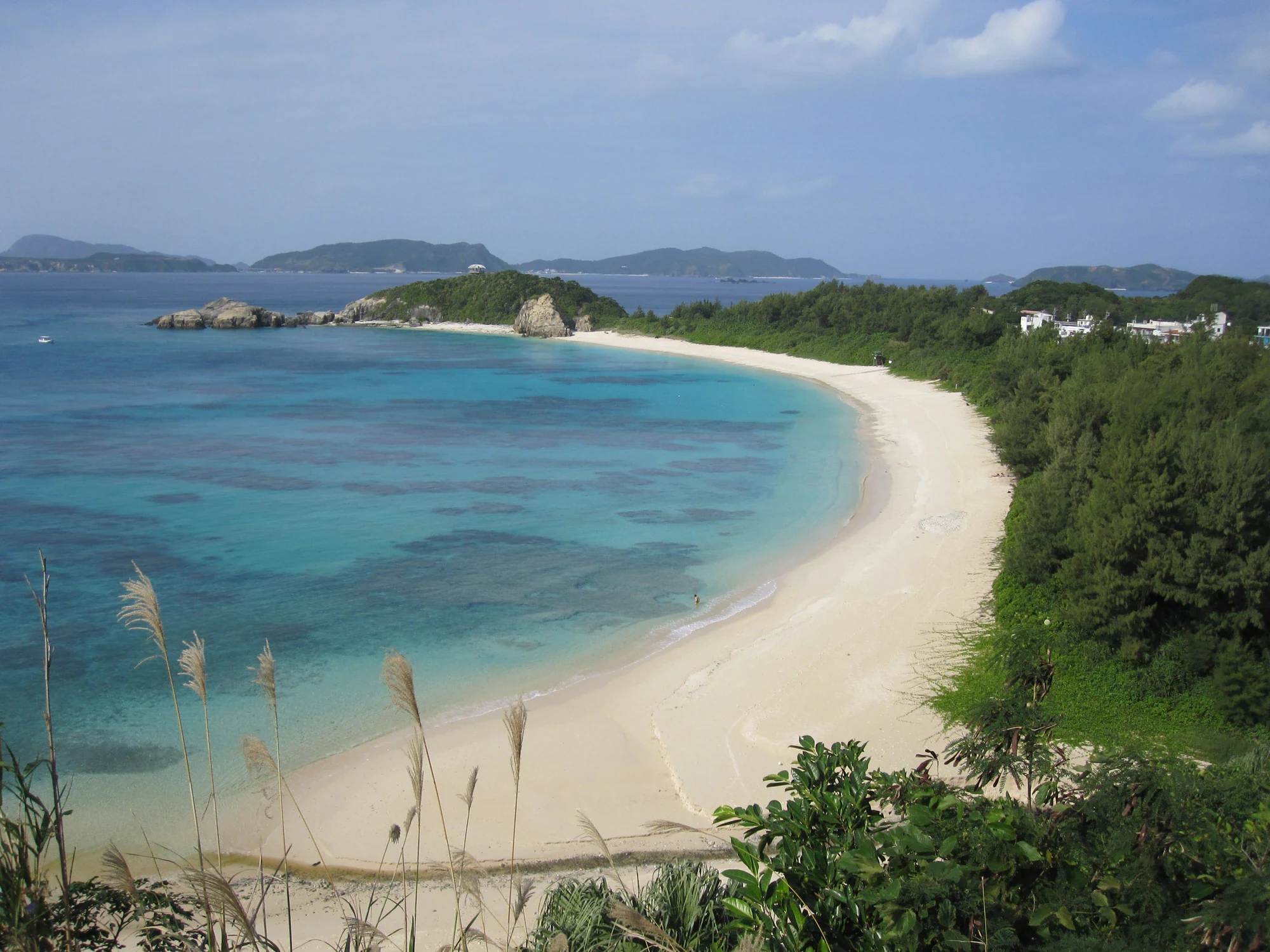
Keramashoto is a national park of islands and sea. Around 40 kilometres west of Naha, its hills, sheltered bays and coral reefs make a wonderfully varied introduction to Okinawa’s coast. The blue water gets the attention, but the view from dry land is a pleasure in its own right: pale sand in the foreground, green slopes behind the village and islands across the bay.

For a first visit, keep the day on Tokashiki Island. The Tourist Information Center is inside the passenger terminal at Tokashiki Port. Stop there to check the return boat and the onward bus before setting off for Aharen. Aharen Beach is a separate destination across the island; stepping off the Naha ferry does not put you on the beach.

At Aharen, give yourself time to look rather than race between activities. Walk a little on the beach when conditions allow, find lunch in the adjoining village and enjoy the coast without making swimming the point of the trip. Families can have a satisfying island day with a sketchbook, a camera and a long lunch. Water activities are an optional addition, chosen around the day’s restrictions and everyone’s confidence.

The reef is living habitat. Corals provide shelter for fish, green turtles use the surrounding waters, and humpback whales return to the wider Kerama seas in winter and early spring. An animal encounter is a bonus; the landscape and the chance to understand it are reason enough to come. Turn your visit into a safari! Use the Snappit app to scan and log wildlife sightings here.

Keramashoto became a national park on March 5, 2014. Its protection connects coastal land with a much larger area of sea. Long before tourism, the islands were part of maritime life and routes linking Okinawa with China; community observances still reflect the importance of fishing and safe voyages. Treat village worship places with the same care as the natural landscape.

What to do here

Start with the terminal’s island model and local information, then take the shared bus or a prearranged transfer to Aharen. Keep the main plan to beach views, a short shore stroll and lunch. If you want to snorkel, arrange instruction and ask about the permitted area, conditions, equipment and suitability for your group before booking.

Seasonal info

The village’s 2026 beach-supervision season runs April 11–November 30, with hours of 09:00–18:00 through September and 09:00–17:00 in October–November. Check fresh dates for another year. Humpbacks occur in the wider seas roughly December–April, but tour dates need separate confirmation. Rough seas and typhoons can disrupt boats in any travel plan.

Accessibility

Check the whole journey before booking: ferry boarding, the particular bus or transfer, toilets and the final approach to the beach. Sand and hillside viewpoints can be difficult for wheels. Ask the information center and transport operators what suits your wheelchair or stroller; do not assume the sea-view outing is step-free.

Don't miss

1

The raised-relief island model in Tokashiki Port’s passenger terminal

2

Aharen’s white shore and blue bay, enjoyable without entering the water

3

A simple island outing with time for lunch in Aharen village

4

Learning how reefs, turtles and seasonal whales fit into the park’s marine habitat

A pale sandy beach curves around turquoise water, backed by dense greenery and scattered buildings, with islands across the bay.

Aharen Beach curves around a blue bay on Tokashiki Island. Photographed on 27 December 2009.

Aharen Beach On Tokashiki Island 2009 (7373).JPG — Tomaž Vajngerl, CC BY-SA 3.0 (https://creativecommons.org/licenses/by-sa/3.0/). Source: https://commons.wikimedia.org/wiki/File:Aharen_Beach_On_Tokashiki_Island_2009_%287373%29.JPG. Recompressed as WebP quality 92, method 6; resized with Lanczos to at most 2000 pixels on the long edge, preserving aspect ratio. No crop, retouching, added text or colour adjustment. EXIF omitted from derivative; original retained as evidence only. · Creative Commons

Walks and routes

Port to Aharen: an easy-paced coastal day

Check in with the information desk as soon as you arrive. Take the agreed bus or transfer to Aharen, spend an unhurried spell looking across the bay, and fit in lunch before your return ride. Use the bus departure as the end of beach time, with a margin for gathering children and belongings.

Keep the outing flexible: the terminal, vehicle and beach each present different access questions. Confirm assistance and a suitable transfer before travelling; the beach itself is sandy.


A harbour-view alternative

If you would rather stay near the arrival village, ask the desk about reaching Minato no Mieru Oka Observatory, the hillside lookout over Tokashiki. Choose this instead of a rushed beach transfer when your time is limited, and leave enough time to return to the terminal.

Ask about the current approach and any steps or steep sections before choosing the lookout. It is a hillside stop, so do not assume it suits a stroller or wheelchair.

A harbour-view alternative

A relaxed first day from Naha

A full day, with about 3–4 hours for the island outing

Before leaving Naha: check both sailings, the correct berth and the weather; have the return transfer arranged.

On arrival: ask the information desk about today’s transport and beach restrictions. Take a short look at the island model without missing your bus.

At Aharen: enjoy the view, a manageable shore stroll and lunch. Choose a water activity only if it has been properly arranged and conditions allow.

Heading back: catch the agreed return ride and reach the port with time for ticketing and boarding. Save another island for another day.

Things to try

Make a coast notebook

At the terminal, let children find the port and Aharen on the island model. At the beach, compare the shapes of the bay and hills, sketch three colours of blue and draw what the shoreline looks like from one comfortable spot. Photograph interesting natural objects where they lie, then leave them there.

Choose snorkeling carefully

If snorkeling is important to your trip, contact a suitable operator in advance. Ask about instructor qualifications, group size, age and swimming requirements, fitted life jackets, the actual site and the cancellation policy. Practice the equipment with instruction, never snorkel alone, and stay out if you are unwell or have drunk alcohol. Do not cross boat lanes or follow someone beyond the permitted area.

Keep a genuinely useful fallback

A short visit to the terminal’s displays can fill a shower, but it is not a whole rainy-day attraction. If strong wind, rough seas or heavy rain are forecast, keeping the day in Naha is usually more practical than crossing solely to wait indoors. If already on the island, check transport changes promptly and follow local advice.

Wildlife and habitats

Watching wildlife thoughtfully

Wildlife varies with season and conditions. Watch quietly, keep your distance and leave animals free to move away. These are species to learn about in the park, rather than a checklist that every visitor should expect to complete.

Green sea turtle

Green turtles live in the waters around Tokashiki. If one appears during a properly arranged water activity, give it space and let it choose its direction. Do not follow it for a better photograph.

Humpback whale

Winter and early spring bring humpbacks to the wider Kerama seas for breeding and raising calves. A dedicated seasonal trip is the sensible way to plan whale watching; the ordinary beach day is not built around finding them.

Large tree nymph butterfly

On Tokashiki’s nature paths, keep an eye out for a large black-and-white butterfly with an unhurried flight. This species is also called the rice paper butterfly. Stay on the path and enjoy watching rather than trying to catch it.

Leave the coast as you found it

Keep rubbish with you, leave plants and marine life in place, and respect village worship sites. Do not smoke on Aharen Beach. Check tides before exploring the coast, and avoid touching unfamiliar animals: the park authority warns that venomous wildlife occurs here.

Stories and discoveries

Most of the park is sea

The Ministry of the Environment lists 3,520 hectares of land and 90,475 hectares of sea. The national park is much more than the beaches where visitors arrive.

A reef has many shapes

Table-like, branching and rounded coral structures create different spaces for marine life. Think of the reef as a living neighbourhood, and enjoy it without touching or collecting.

When to visit

Beach season

Use the village’s current beach notice to check supervised dates and hours, then follow the lifeguards’ decision when you arrive. The water can be closed within the advertised season.

Winter wildlife

Treat whale watching as a separately booked seasonal excursion. Confirm the actual tour dates, ferry connection and cancellation arrangements before travelling; the whale’s natural season does not tell you which days a tour will run.

Getting there and practical advice

Tokashiki Tourist Information Center

Inside the Tokashiki Port passenger terminal, at 346 Tokashiki. Entry is free and Wi-Fi is available. Usual hours are listed as 09:30–17:30, with occasional closures. English-speaking staff may not be available, so a translation app can help. Confirm opening if you need specific assistance.

Facilities around Aharen Beach

Aharen has toilets, showers, lockers, a shop and parking. Beach entry is free, but using some facilities costs extra. Confirm what is open on your date, and allow time for changing if you book an activity.

Naha to Tokashiki Port

Use the village-run Marine Liner Tokashiki or Ferry Tokashiki from Tomari Port. The operator gives approximate crossing times of 40 minutes and 70 minutes respectively. Check the date-specific timetable; the slow ferry’s standard winter return leaves Tokashiki earlier than its summer return.

Reservations and disrupted sailings

Bookings normally open two months ahead, and the village recommends reserving in advance. A cancelled sailing’s reservation is cancelled too; you must make a new reservation if you want a later service. Do not assume you will be moved automatically. Check the 08:00 operating decision and keep accommodation and onward travel flexible if the forecast worsens.

The island transfer

Tokashiki Kanko Bus runs a shared service between Tokashiki Port and Aharen Beach around ferry arrivals and departures. Ask for the departure point and return time on your day; it is not a frequent city bus. If you need a particular vehicle or assistance, arrange it ahead. Bus enquiries: +81-98-987-2232.

October 2026 ferry notice

Checked October 16, 2026: Ferry Tokashiki is scheduled not to operate on October 22 and 26. Marine Liner services are still listed for those days, subject to weather and availability. Recheck the monthly timetable before making plans.

Ask about the journey, not just the destination

Tell the ferry office your mobility needs and ask about boarding assistance for the specific vessel. Separately confirm a suitable island transfer and usable toilets. If sandy access is unsuitable, ask the information desk which coastal views you can comfortably reach without going onto the beach.

Sources and useful links

Wildlife you might spot

3

Each card links to a full Explore page with photos, traits, and fun facts.

Snap map for this place

Start with the big picture, then zoom in to explore individual wildlife observations around this place.

Loading map…

Good to know before you go

Reserve both boat journeys before committing to the rest of the day, and keep a buffer before an onward flight.

Check the ferry portal after the operator’s 08:00 daily decision and again if conditions change. Know what you will do if your return is cancelled.

The fast boat departs from Tomari Port’s north side. Leave time to reach the correct berth after collecting tickets.

Confirm the return bus before leaving Tokashiki Port. A beach plan still needs two island transfers.

Follow lifeguards and the marked swimming area. Snorkelers must wear a life jacket; an adult must accompany small children in the water.

Bring drinking water, sun protection, a rubbish bag and some cash. Plan a break from the sun.

Leave coral, plants and animals undisturbed. Do not stand on coral, feed marine life or chase turtles.

If the sea or weather rules out your plan, shorten the outing or stay in Naha. Do not enter the water to make the boat journey feel worthwhile.

Frequently asked questions

No. It is inside the passenger terminal at Tokashiki Port. Aharen is reached separately by shared bus or an arranged vehicle transfer.
Yes. Use the island model to get your bearings, go to Aharen for the bay views, take a short stroll if the shore is suitable, and have lunch in the village. Keep everyone back from breaking waves.
You still buy or collect the ticket on the sailing day. The operator asks for ticket purchase at least 30 minutes before departure and boarding at least 10 minutes before. If you use different vessel types each way, purchase the two one-way tickets at their respective departure ports.
Keep this first outing to Tokashiki. Inter-island travel involves different services and arrangements; it should be a separate plan rather than an extra stop squeezed between your Naha boats.
Lifeguard coverage does not remove currents, sudden depth changes or weather risks. Ask about the conditions and restrictions at the beach, stay within the permitted area and skip the water whenever conditions or anyone’s confidence are unsuitable.
No. Turtles are wild animals, and whale visits are seasonal. Do not chase an encounter or approach a turtle; a boat or tour booking is not a wildlife promise.

Recent snaps at this place

Recent snaps will appear here as new observations are added.

View all ›

Take the discovery with you

Exploring Keramashoto National Park?

Identify the wildlife you spot, learn as you go, and keep a collection of the adventure.

  1. 1Spot it
  2. 2Snap it
  3. 3Keep the discovery