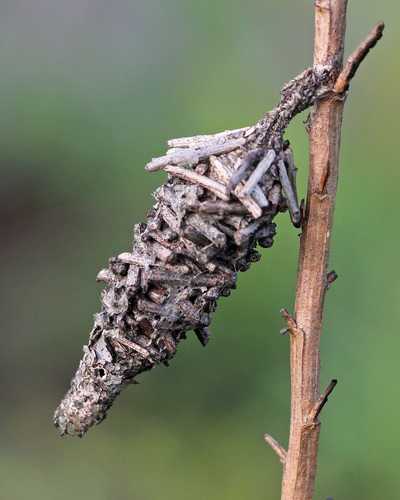


Abbot'S Bagworm Moth
oiketicus abbotii
Abbot's Bagworm Moth is a fascinating species in the family Psychidae, famous for the remarkable architectural skills of its larvae. As caterpillars, they construct intricate, portable cases—or 'bags'—out of silk intertwined with bits of leaves, twigs, and bark from their host plants. These protective shelters are carried around as the caterpillar feeds and grows, providing excellent camouflage against predators. The lifecycle is highly sexually dimorphic: adult males develop into fully winged moths, while females remain wingless, legless, and grub-like, never leaving their silken bags. This unique adaptation ensures the female's safety while dedicating all her energy to producing hundreds of eggs.
Habitat: Found in deciduous forests, orchards, and urban landscapes, typically attached to the twigs and leaves of their various host trees and shrubs.
The most commonly observed stage is the larval bag, which is roughly spindle-shaped, 5 to 7 centimeters long, and shingled with crosswise pieces of twigs and dead leaves. Adult males are small, robust moths with a wingspan of about 3 to 4 centimeters, featuring heavily hairy, dark brown bodies and translucent, sparsely scaled wings. Adult females lack wings, legs, and functional mouthparts, appearing as yellowish, grub-like organisms that remain entirely hidden within their silken enclosures.
Category
InsectsRarity
Common
Danger
1/5 · Very low
Snaps
1
Because the adult moths do not have functional mouthparts, they rely entirely on the energy reserves they stored up as voracious caterpillars.
The female Abbot's Bagworm Moth never leaves the bag she built as a caterpillar; she mates, lays her eggs inside it, and dies.
The male moth has an extremely flexible abdomen that he extends deep into the female's bag to reach her for mating.
When it is time to pupate, the caterpillar anchors its bag firmly to a twig with a strong band of silk and seals it tightly shut.
The larvae spin durable silk bags camouflaged with plant debris, expanding them as they grow to protect themselves against predators and weather.
Adult females retain larval characteristics, remaining wingless and legless inside their bags to conserve energy strictly for reproduction.
Wingless females emit powerful chemical signals into the air to attract flying males to their stationary bags for mating.
The caterpillars are voracious herbivores that feed on the foliage of a wide variety of deciduous and evergreen trees.
Age differences: Adults do not feed; they lack functional mouthparts and live only a few days to mate and reproduce.
Itoplectis conquisitor
Provides a food source for parasitoid wasps which lay their eggs inside the caterpillar or its bag.

Quercus virginiana
Serves as a primary host plant where the moth caterpillars feed and anchor their bags.
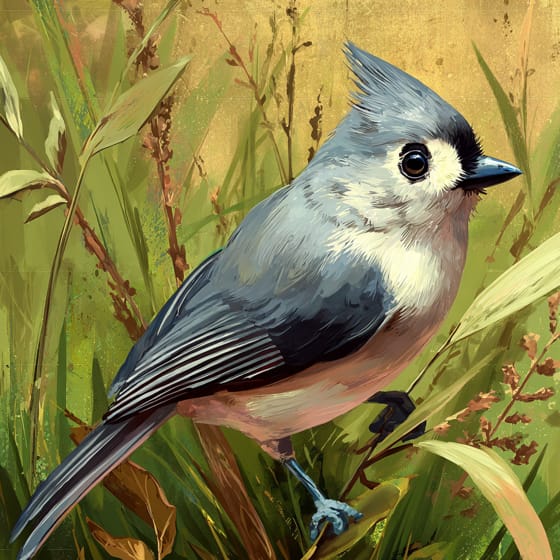
Baeolophus bicolor
Insectivorous birds with strong beaks are able to tear open the protective bags to eat the larvae inside.
No trait badges are assigned for this object yet.
No aliases listed yet.
Collections for this object will appear here as more themes are added.
Danger
1/5 · Very low
No special safety notes yet.
The easiest way to identify Abbot'S Bagworm Moth is to use the Snappit nature identifier app.
3-7 cm
3-4 cm
0.001-0.005 kg
0-1 years
The caterpillars are voracious herbivores that feed on the foliage of a wide variety of deciduous and evergreen trees.
Found in deciduous forests, orchards, and urban landscapes, typically attached to the twigs and leaves of their various host trees and shrubs.
Foraging
Zoom in to split clusters and explore where this object has been snapped.
Take the discovery with you
Snap it with Snappit to identify it, learn what makes it special, and add the discovery to your collection.














.jpg&width=800)




