





Gaillardia

This historic district preserves a vital piece of maritime heritage amidst the stunning natural beauty of the Outer Banks.
This historic district preserves a vital piece of maritime heritage amidst the stunning natural beauty of the Outer Banks. Functioning for decades as a crucial life-saving outpost, the station offers a tangible connection to the brave men and women who safeguarded coastal shipping along the treacherous "Graveyard of the Atlantic." Now part of the Cape Lookout National Seashore, it serves as a testament to human resilience and a tranquil escape from the modern world.
The station complex, dominated by the Neo-Colonial Georgian Revival style Main Station building from 1917, includes a galley, equipment building, and the relocated 1887 Life-Saving Station and boathouse. While some buildings are undergoing preservation, the site offers visitors a unique opportunity to explore the architecture and grounds that once housed Coast Guardsmen and now supports university research into dolphins and sea turtles, powered by renewable energy sources like a windmill and solar panels. Nearby, the iconic Cape Lookout Lighthouse, with its distinctive black-and-white diamond pattern, stands sentinel, inviting exploration of its base and Keeper's Quarters Museum.
A visit to the Cape Lookout Coast Guard Station is an immersive journey into history and nature, offering a profound sense of isolation and discovery. From the architectural remnants of its life-saving past to the pristine beaches and diverse wildlife of the surrounding national seashore, it’s a destination that encourages reflection, exploration, and appreciation for North Carolina's coastal legacy. Its remote location ensures an unforgettable experience away from crowded tourist hubs, making it a perfect retreat for those seeking tranquility and a deeper connection with the past. Planning to visit? Download the Snappit app to identify the wildlife you spot in real-time.
The Cape Lookout Coast Guard Station's origins trace back to an 1887 U.S. Life-Saving Service station, established to protect mariners along the perilous Cape Lookout Shoals. In 1916, construction began on a new lifeboat station, and the main Neo-Colonial building, completed in 1917, became operational in 1918. This station, along with its galley and equipment building, was one of only three such designs on the North Carolina coast, the others having since been lost. The station played a critical role in maritime rescues, particularly during World War II when it expanded its personnel to monitor for German U-boats and protect Allied convoys. Decommissioned in 1982, due to advancements in technology, its mission and personnel were merged into the Fort Macon Coast Guard Station. The station's buildings and property were subsequently transferred to the Cape Lookout National Seashore in 1984, becoming part of the Cape Lookout Village Historic District, which was listed on the National Register of Historic Places in 2000. The original 1887 station and boathouse, after being sold off and used as private residences, were acquired by the National Park Service in 2003, with restoration efforts underway to preserve these significant structures.
Explore the historic buildings of the Coast Guard Station and the Cape Lookout Village Historic District.
* Visit the Cape Lookout Lighthouse and Keeper's Quarters Museum.
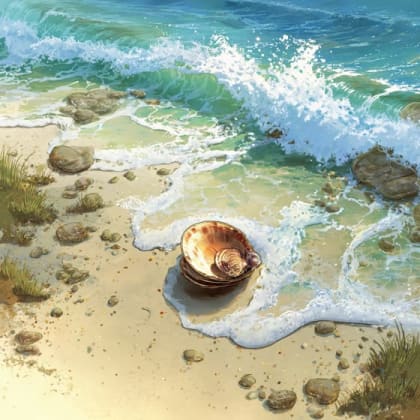
* Go beachcombing for shells along the extensive shoreline.
* Enjoy swimming or surf fishing in the ocean.
* Take a guided tour or ferry to Shackleford Banks for wild horse watching.
* Birdwatching, particularly during migratory seasons, for pelicans, herons, and various seabirds.
* Experience stargazing as Cape Lookout is an official Dark Sky Park.
Spring/Fall: Mild temperatures, fewer crowds, excellent for birdwatching. Ferry services are generally reliable.
Summer: Warmest weather, best for swimming, but can be more crowded. Essential to bring plenty of water, sunscreen, and insect repellent.
Winter: Very quiet, limited ferry service, some facilities may be closed. Offers extreme solitude.
Check ferry schedules as they can be irregular or limited outside of peak season (April-November).
The islands are only accessible by boat; visitors should be prepared for potential wet landings.
* Deep sand on the islands can make walking difficult.
* Beach wheelchairs (manual, require assistance) are available for loan at the Light Station Visitor Center and Harkers Island Visitor Center.
* The Harkers Island Visitor Center and its adjacent fishing pier and Soundside Trail are wheelchair accessible.
* A boardwalk leads from the ferry landing to the Lighthouse Keeper's Quarters, though its ease of access depends on tides and boat style.
Admire the Neo-Colonial architecture and learn about its historical function as a life-saving station.
Climb the 207 steps for panoramic views (check for reopening in 2025 after renovations) or explore the Keeper's Quarters Museum at its base.
View the historic structure (currently undergoing restoration with plans to become a museum) and boathouse, offering a glimpse into early maritime rescue efforts.
Enjoy miles of undeveloped shoreline for shelling, swimming, and relaxation.
Each card links to a full Explore page with photos, traits, and fun facts.
Start with the big picture, then zoom in to explore individual wildlife observations around this place.
Plan your ferry
** Check schedules and book ferry tickets in advance, especially during peak season, as the islands are only accessible by boat.
Bring all supplies
The islands are undeveloped, so pack plenty of water, snacks, lunch, sunscreen, insect repellent, and trash bags to pack out all waste.
Dress appropriately
Wear comfortable shoes suitable for walking in sand and layers for changing weather conditions.
Explore beyond the lighthouse
While the lighthouse is iconic, dedicate time to walk the beaches, explore the historic district, and consider a trip to Shackleford Banks.
Check accessibility needs
If you or someone in your group requires assistance, inquire about beach wheelchairs at the visitor centers and be aware that walking in deep sand can be challenging.
Respect the environment
Stay on marked paths, do not disturb wildlife (especially nesting birds or sea turtles), and leave no trace. All plants are protected by law.
Jun 18, 2026
Jun 18, 2026
Jun 18, 2026
Jun 18, 2026
Jun 18, 2026

Maryland, US
You might spot White-Tailed Deer and Eastern Gray Squirrel.
View guide →
.jpg)
District of Columbia, US
You might spot Eastern Gray Squirrel, Duck, and House Sparrow.
View guide →

Illinois, US
You might spot American Robin, Canada Goose, and House Sparrow.
View guide →

Virginia, US
You might spot Spotted Lanternfly and Northern Cardinal.
View guide →
Take the discovery with you
Identify the wildlife you spot, learn as you go, and keep a collection of the adventure.






































.jpg&width=800)
_RWD2.jpg&width=800)
