





southern live oak
Quercus virginiana
The southern live oak is a big, beautiful tree that can live for hundreds of years! It has strong branches that spread wide and provide lots of shade, making it a great place to play or relax.
Habitat: Coastal areas
The southern live oak has a majestic, sprawling canopy and evergreen leaves that are dark green and leathery. Its thick branches often grow horizontally, creating a broad, umbrella-like shape, while its dark, furrowed bark adds rugged character.
Category
PlantsRarity
Common
Danger
1/5 · Very low
Snaps
19
Ancient live oaks were important meeting spots for Native American tribes!
Hundreds of tiny insects and fungi make their home just on one tree!
Its wood is so strong, it was prized for building naval ships long ago!
Some branches can grow so long they touch the ground and reroot!
southern live oak keeps its tough, leathery leaves all year long, helping it stay green and capture sunlight even in winter.
southern live oak can grow massive, wide-reaching branches that provide vast shade and shelter for many creatures below.
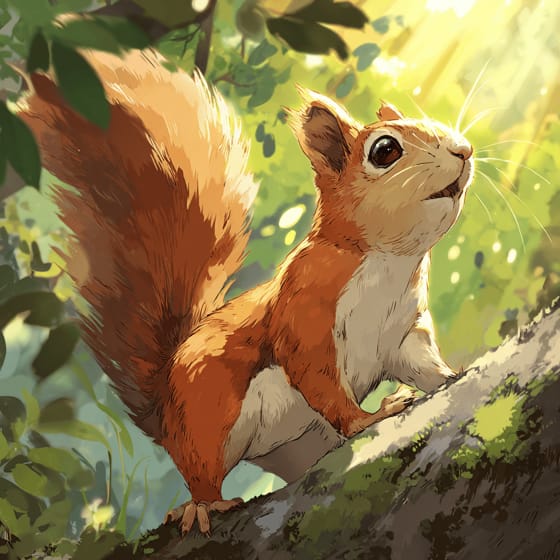
Sciurus carolinensis
collects and buries its tasty acorns
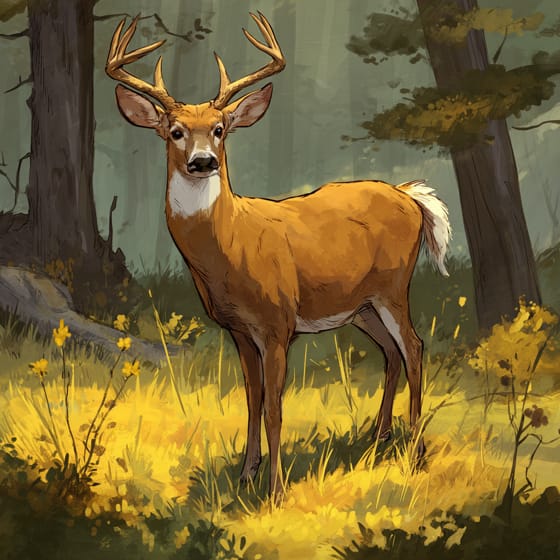
Odocoileus virginianus
browses on its leaves and twigs
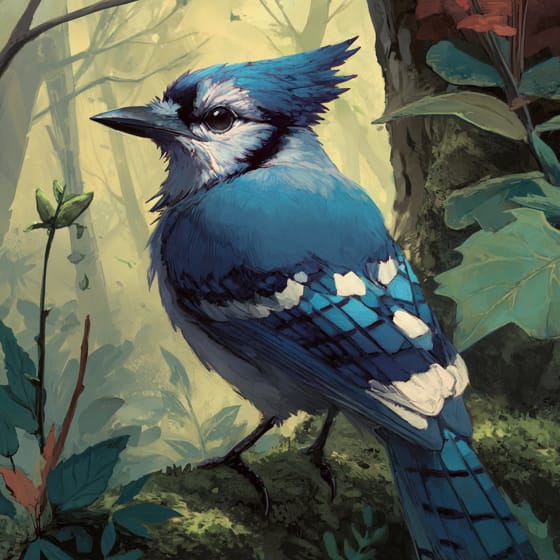
Cyanocitta cristata
helps plant new oak trees with acorns
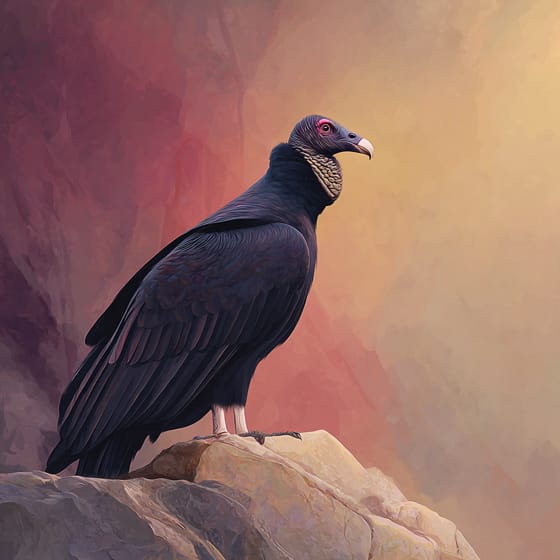
Coragyps atratus
roosts safely in its strong, high branches

Tillandsia usneoides
grows hanging from its branches for support
Shade tolerant plants are adapted to grow and thrive in areas with low light levels, requiring less direct sunlight.
Broadleaf trees are angiosperms characterized by flat, wide leaves that are typically shed annually in temperate climates.
Evergreen plants retain their foliage throughout the year, never shedding all their leaves at once.
Timber refers to wood that has been prepared for use in building and carpentry.

This trait signifies organisms belonging to a very old evolutionary group with ancestors dating back millions of years.

This trait characterizes organisms with an exceptionally long lifespan compared to others of their kind.

Coastal habitats are dynamic environments located along the interface between land and sea, influenced by tides, waves, and saltwater.

Describes a species whose presence and role have a disproportionately large effect on its environment.

Giant describes organisms or objects of significantly larger size than average for their species or type.
No aliases listed yet.
Danger
1/5 · Very low
Be careful around big trees; they have strong branches that can fall if it's windy.
The easiest way to identify southern live oak is to use the Snappit nature identifier app.
1500-2000 cm
2000-4500 cm
0.5-2 cm
Spring
No
None
Perennial
Zoom in to split clusters and explore where this object has been snapped.

Louisiana, US
You might spot Brown Anole, White Ibis, and Duck.
View guide →

South Carolina, US
You might spot Brown Pelican, Boat-Tailed Grackle, and Great Egret.
View guide →

US
You might spot Brown Pelican, Boat-Tailed Grackle, and Great Egret.
View guide →

South Carolina, US
You might spot Gulf Fritillary, Poey's Furrow Bee, and Anole.
View guide →

Florida, US
You might spot American Alligator, Great Blue Heron, and Anhinga.
View guide →

South Carolina, US
You might spot Northern Cardinal, Chipping Sparrow, and House Finch.
View guide →
Take the discovery with you
Snap it with Snappit to identify it, learn what makes it special, and add the discovery to your collection.









.jpg&width=800)


_001.jpg&width=800)

