





Acadian Hairstreak
Satyrium acadica
The Acadian Hairstreak is a small butterfly with beautiful blue and brown colors. It loves to flutter around flowers and is often found in forests and meadows.
Habitat: Forests and meadows
The Acadian Hairstreak has dark brown upper wings, sometimes with a subtle orange patch on the hindwing. Its underside is light gray, marked by a distinct white line edged with black, and features two prominent orange spots with black centers on its hindwings, alongside delicate hair-like tails.
Category
InsectsRarity
Common
Danger
1/5 · Very low
Snaps
Be the first to snap!
Adult Acadian Hairstreaks typically live for just two short weeks in the summer!
Its larvae only eat leaves from willow trees, making them very picky eaters!
The tiny 'tails' on their wings help confuse predators about which way to attack.
These butterflies are often found fluttering near wet, marshy areas and stream banks.
Acadian Hairstreak has tiny tails and eye-spots on its hindwings that trick predators into attacking the wrong end, allowing it to escape.
Acadian Hairstreak larvae can digest tough willow leaves because they possess special enzymes, turning a common plant into food.
Acadian Hairstreak can locate specific flowering plants to drink nectar because of its keen vision and specialized antennae.
Larvae eat willow leaves, while adults sip nectar from various summer flowers for energy.
Age differences: Larvae feed exclusively on willow leaves, while adults switch to consuming flower nectar and tree sap.
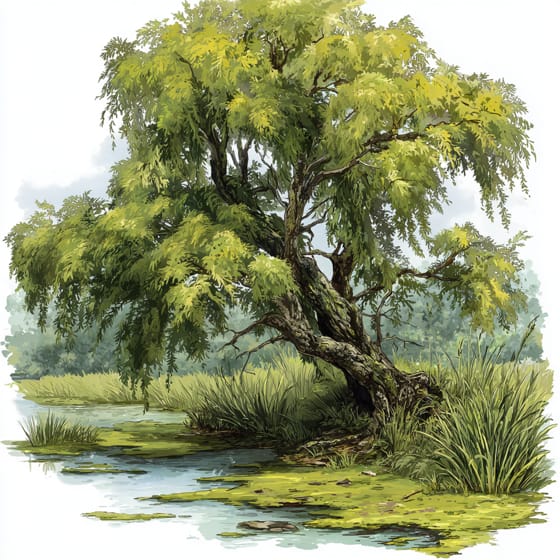
Salix nigra
Larvae feed on leaves
Apocynum cannabinum
Adults collect nectar
Aranaeus diadematus
Caught in spider webs
Solitary animals live alone for most of their lives, only interacting with others for mating or parental care.
Colorful describes organisms or objects displaying a wide range of bright and distinct colors.
This trait characterizes organisms whose diet consists entirely or primarily of plant material.
Describes plants that are particularly attractive and beneficial to a wide range of pollinating organisms.

Forest habitats are terrestrial environments dominated by dense tree cover, supporting a high diversity of plant and animal life.

Diurnal animals are primarily active during daylight hours, typically resting or sleeping at night.

Describes organisms that transfer pollen, enabling the fertilization and reproduction of plants.
No aliases listed yet.
Danger
1/5 · Very low
Always watch butterflies from a distance so they feel safe.
The easiest way to identify Acadian Hairstreak is to use the Snappit nature identifier app.
25-35 mm
12-18 mm
10-14 days
Larvae eat willow leaves, while adults sip nectar from various summer flowers for energy.
Forests and meadows
Foraging
6
Zoom in to split clusters and explore where this object has been snapped.
Recent snaps will appear here as new observations are added.
Take the discovery with you
Snap it with Snappit to identify it, learn what makes it special, and add the discovery to your collection.







.jpg&width=800)


