





California Sister
Adelpha californica
The California Sister is a beautiful butterfly with striking orange and black wings. They love to flutter around in sunny spots, making them a delightful sight in nature.
Habitat: Forests
The California Sister has dark brown to black wings with a striking wide orange band across the forewings. Near the wingtips, iridescent blue-purple spots add a vibrant contrast. Its underside features an intricate pattern of white, black, and orange that aids in camouflage.
Category
InsectsRarity
Common
Danger
1/5 · Very low
Snaps
9
Caterpillars of the California Sister eat oak leaves, but the adults only drink liquids!
Its wings shimmer with an amazing iridescent blue, visible only from certain angles!
They use their feet to taste leaves before deciding where to lay their eggs!
This butterfly's name comes from the nun-like habit or 'sister' appearance of its wing patterns!
California Sister can hide on tree bark because its wing undersides mimic the dappled light and dark patterns of trunks.
California Sister can sip sweet flower nectar using a long, coiled proboscis that helps them reach deep inside blossoms.
Larvae can eat oak leaves, storing chemicals that make them unpalatable to some predators.
Adults sip tree sap and flower nectar; caterpillars munch on oak leaves for growth.
Age differences: Larvae eat oak leaves, while adults only drink liquids like tree sap and nectar.
Solitary animals live alone for most of their lives, only interacting with others for mating or parental care.
Colorful describes organisms or objects displaying a wide range of bright and distinct colors.
This trait characterizes organisms whose diet consists entirely or primarily of plant material.
Describes plants that are particularly attractive and beneficial to a wide range of pollinating organisms.

Forest habitats are terrestrial environments dominated by dense tree cover, supporting a high diversity of plant and animal life.

Diurnal animals are primarily active during daylight hours, typically resting or sleeping at night.

Describes organisms that transfer pollen, enabling the fertilization and reproduction of plants.
No aliases listed yet.
Danger
1/5 · Very low
Always watch butterflies from a distance so they feel safe and can fly freely.
The easiest way to identify California Sister is to use the Snappit nature identifier app.
57-73 mm
20-30 mm
10-25 days
10-20 km/h
Adults sip tree sap and flower nectar; caterpillars munch on oak leaves for growth.
Forests
Foraging
Zoom in to split clusters and explore where this object has been snapped.

California, US
You might spot Pipevine Swallowtail and Western Fence Lizard.
View guide →
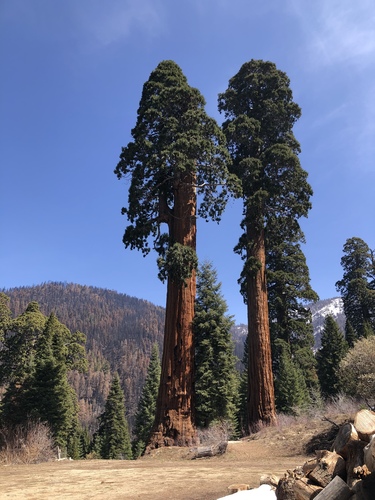
California, US
You might spot Sequoia, Mountain Misery, and Black Bear.
View guide →

California, US
You might spot Western Fence Lizard, Eastern Fox Squirrel, and Bee.
View guide →

California, US
You might spot Hoary Rock-Rose, Brittleleaf Manzanita, and Chaparral Pea.
View guide →

California, US
You might spot White Globe Lily, California Buckeye, and Rose Campion.
View guide →

Oregon, US
You might spot Northern Phlox, Marbled Wild-Ginger, and Pacific Trillium.
View guide →
Take the discovery with you
Snap it with Snappit to identify it, learn what makes it special, and add the discovery to your collection.








.jpg&width=800)


