





Golden Digger Wasp
Sphex funerarius
The Golden Digger Wasp is a shiny, yellow wasp that loves to dig in the ground. It makes little tunnels to store food for its babies. These wasps are helpful because they catch pests like caterpillars!
Habitat: Grasslands
The Golden Digger Wasp has a slender, mostly black body with striking bright orange-gold segments on its abdomen. It possesses a very narrow 'waist' (petiole) connecting its thorax and abdomen, which distinguishes it from many other wasps.
Category
InsectsRarity
Common
Danger
2/5 · Low
Snaps
Be the first to snap!
Adult wasps drink flower nectar, but their young feast on living insects!
Each mother wasp builds an amazing underground nursery all by herself.
Some digger wasps use small pebbles to seal their nest entrance!
They paralyze prey to keep it fresh for their growing babies!
Golden Digger Wasps can sting and paralyze prey insects, ensuring fresh food for their young underground.
This wasp has strong front legs adapted for rapidly digging deep, intricate burrows as secure nurseries for its larvae.
Golden Digger Wasps possess remarkable navigational memory that helps them find their hidden nest after long hunting trips.
Adult Golden Digger Wasps sip flower nectar, while their larvae are fed paralyzed insects.
Age differences: Adults feed on nectar, while larvae are fed paralyzed insects by the mother.
_Tettigonia_viridissima_on_Avena_fatua.jpg&width=800)
Tettigonia viridissima
Main food for its developing larvae
Daucus carota
Visits its flowers for nourishing nectar
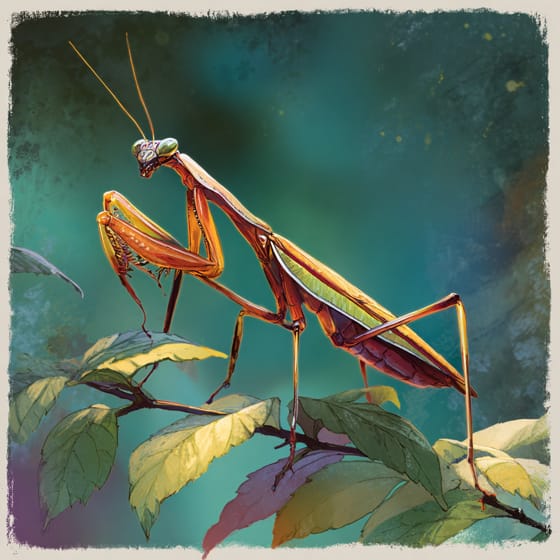
Mantis religiosa
Can be ambushed by larger insect predators
Solitary animals live alone for most of their lives, only interacting with others for mating or parental care.
Burrowing animals dig tunnels and chambers in the ground, using these subterranean structures for shelter, hunting, or breeding.
Colorful describes organisms or objects displaying a wide range of bright and distinct colors.
Grassland habitats are terrestrial biomes dominated by grasses and herbaceous plants, supporting a variety of grazing animals.

This trait identifies organisms whose diet primarily consists of insects and other small invertebrates.

This trait identifies organisms whose diet consists entirely or primarily of animal tissue.

Diurnal animals are primarily active during daylight hours, typically resting or sleeping at night.

Describes organisms that transfer pollen, enabling the fertilization and reproduction of plants.
No aliases listed yet.
Danger
2/5 · Low
Golden Digger Wasps are usually friendly, but it's best to watch them from a distance.
The easiest way to identify Golden Digger Wasp is to use the Snappit nature identifier app.
25-45 mm
15-25 mm
30-60 days
15 km/h
Adult Golden Digger Wasps sip flower nectar, while their larvae are fed paralyzed insects.
Grasslands
Pursuit
Zoom in to split clusters and explore where this object has been snapped.
Recent snaps will appear here as new observations are added.
Take the discovery with you
Snap it with Snappit to identify it, learn what makes it special, and add the discovery to your collection.







.jpg&width=800)



