





Agalliina
Agalliina
Agalliina are tiny insects that can be found hopping around in gardens and fields. They are known for their bright colors and can be very fun to spot while exploring nature!
Habitat: Grasslands
The Agalliina is a small, somewhat flattened insect, often mottled in shades of brown, gray, or black. It has a noticeably broad, rounded head and prominent eyes, making it distinct from many slender leafhoppers.
Category
InsectsRarity
Common
Danger
1/5 · Very low
Snaps
Be the first to snap!
Agalliina communicate with tiny plant vibrations!
Some Agalliina eggs can survive a harsh winter!
Their wings fold flat like a neat roof over their body.
They can jump many times their own body length!
Agalliina can jump incredibly far using strong hind legs that helps them escape predators quickly.
Agalliina has a specialized proboscis that helps them pierce plant tissue and drink nutrient-rich sap.
Agalliina can have mottled brown or grey patterns that help them disappear into their plant surroundings.
Agalliina are plant-eaters, sipping sap from leaves and stems.
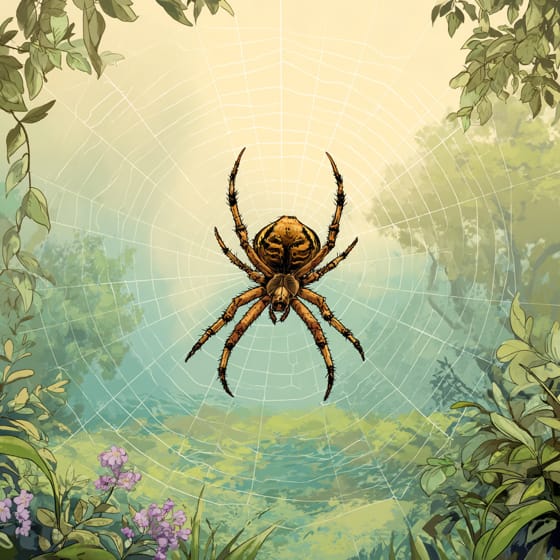
Araneus diadematus
Spiders are common predators of these small insects.
%2C_Parc_de_Woluw%C3%A9%2C_Brussels_(13042792905).jpg&width=800)
Parus major
Insectivorous birds often consume Agalliina.

Trifolium repens
Many Agalliina species use clover as a host plant.
Poa annua
Some Agalliina species feed on this common grass.
Solitary animals live alone for most of their lives, only interacting with others for mating or parental care.
Colorful describes organisms or objects displaying a wide range of bright and distinct colors.
Grassland habitats are terrestrial biomes dominated by grasses and herbaceous plants, supporting a variety of grazing animals.
This trait characterizes organisms whose diet consists entirely or primarily of plant material.

Diurnal animals are primarily active during daylight hours, typically resting or sleeping at night.

Pertaining to species that are significantly smaller than typical or average for their kind.

Describes organisms that transfer pollen, enabling the fertilization and reproduction of plants.
No aliases listed yet.
Danger
1/5 · Very low
Be gentle when exploring nature, and don't touch insects unless you know they're safe!
The easiest way to identify Agalliina is to use the Snappit nature identifier app.
4-10 mm
2-5 mm
30-120 days
Agalliina are plant-eaters, sipping sap from leaves and stems.
Grasslands
Foraging
6
Zoom in to split clusters and explore where this object has been snapped.
Recent snaps will appear here as new observations are added.
Take the discovery with you
Snap it with Snappit to identify it, learn what makes it special, and add the discovery to your collection.






.jpg&width=800)



