.jpg&width=800)





Oxalis
Oxalis
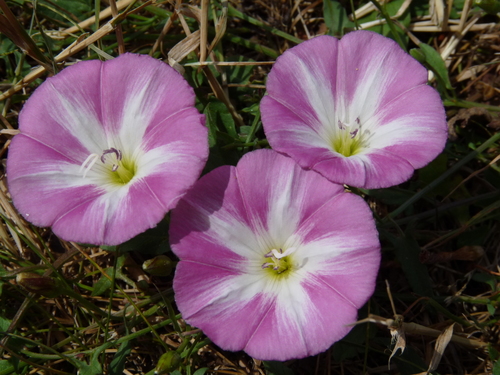
Oxalis, also known as wood sorrel, is a cheerful little flower that often has pretty, heart-shaped leaves. It can be found in gardens and meadows, bringing a splash of color to nature.
Habitat: Gardens and meadows
The Oxalis genus features plants with distinctive clover-like leaves, often heart-shaped and grouped in three. Its delicate flowers bloom in various shades of pink, yellow, white, or purple. It differs from true clover (Trifolium) by its distinctly folded, heart-shaped leaflets.
Category
PlantsRarity
Common
Danger
1/5 · Very low
Snaps
Be the first to snap!
One Oxalis, called Oca, has yummy root tubers that people eat like potatoes!
Some Oxalis leaves have patterns or purple undersides, making them super beautiful.
The name "Oxalis" comes from a Greek word meaning "sour," describing its tangy taste!
There are over 800 different kinds of Oxalis found all around the world!
Oxalis can fold its leaves down at night or in bright sun to protect itself and conserve water.
Some Oxalis can forcefully launch their tiny seeds, helping them spread quickly to new spots.
Oxalis has oxalic acid in its leaves, giving it a sour taste that deters hungry animals.
Many Oxalis species grow small bulbs or rhizomes underground, storing energy to survive harsh conditions.
Apis mellifera
collects nectar and pollen
Bombus terrestris
collects nectar and pollen
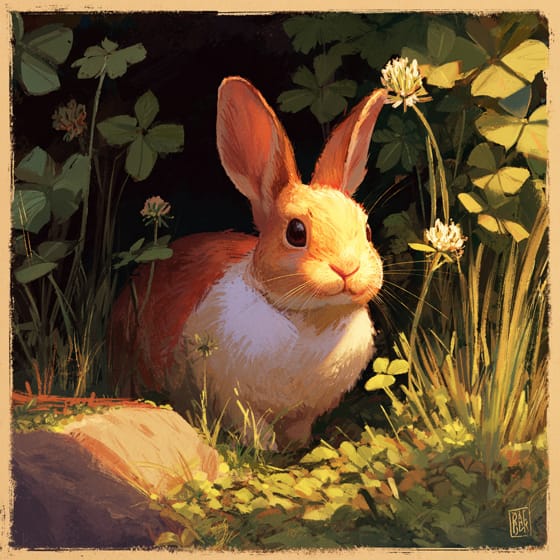
Oryctolagus cuniculus
grazes on leaves and stems

Helix aspersa
feeds on leaves and young shoots
Flowering plants are any plants that produce flowers as part of their reproductive cycle.
Ornamental plants are cultivated primarily for their aesthetic appeal, enhancing landscapes and gardens with their attractive foliage, flowers, or form.
Shade tolerant plants are adapted to grow and thrive in areas with low light levels, requiring less direct sunlight.
Spring blooming plants produce their flowers during the spring season, often signifying the end of winter and the start of new growth.

Colorful describes organisms or objects displaying a wide range of bright and distinct colors.

Edible plants are those parts of a plant that are considered safe for human consumption.

Domesticated refers to species that have been selectively bred and tamed by humans for specific purposes.
No aliases listed yet.
Danger
1/5 · Very low
Always check with an adult before touching or tasting plants.
The easiest way to identify Oxalis is to use the Snappit nature identifier app.
5-30 cm
10-40 cm
0.5-2 cm
Spring, Summer, Fall
Yes
Mild
Perennial
Zoom in to split clusters and explore where this object has been snapped.
Recent snaps will appear here as new observations are added.
Take the discovery with you
Snap it with Snappit to identify it, learn what makes it special, and add the discovery to your collection.








.jpg&width=800)



_001.jpg&width=800)


