





Alder Flea Beetle
Altica ambiens
The Alder Flea Beetle is a tiny, jumping insect that loves to munch on plants. It has shiny, greenish-blue wings and can hop like a little grasshopper when it feels scared.
Habitat: Wetlands
The Alder Flea Beetle is a small, oval-shaped insect with a striking metallic blue, purple, or blue-green sheen. It has noticeably thickened hind legs, which make it visually distinct and ready for powerful jumps.
Category
InsectsRarity
Common
Danger
1/5 · Very low
Snaps
Be the first to snap!
If disturbed, they often drop from plants and play dead to avoid being eaten.
Like butterflies, they go through a full metamorphosis from egg to larva to adult.
Sometimes, their tiny larvae live underground, munching on plant roots!
Their name "flea beetle" comes from their amazing jumping ability!
Alder Flea Beetle can jump far using its powerful hind legs, helping them escape predators quickly.
Alder Flea Beetle has a tough, hard exoskeleton that protects its soft body from being easily squashed.
Alder Flea Beetle has strong mouthparts to chew through tough alder leaves, its main food source.
These tiny beetles munch on leaves, especially from alder trees, to get all their energy!
Age differences: Larvae also feed on leaves, sometimes plant roots.
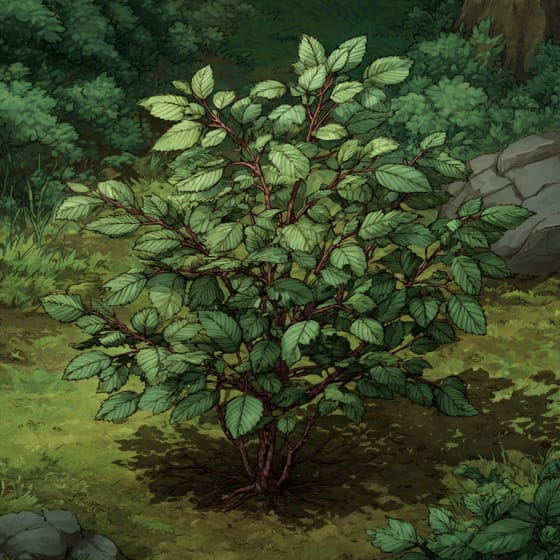
Alnus rubra
Feeds on leaves as both larvae and adults.
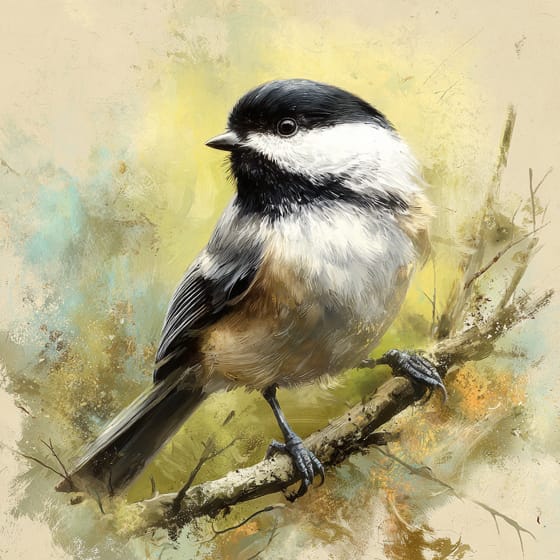
Poecile atricapillus
A common bird that preys on insects.
Nabis americoferus
A predatory insect that ambushes small beetles.
Misumena vatia
Ambush predator that waits on flowers for prey.
Solitary animals live alone for most of their lives, only interacting with others for mating or parental care.
Colorful describes organisms or objects displaying a wide range of bright and distinct colors.
This trait characterizes organisms whose diet consists entirely or primarily of plant material.
This habitat trait identifies species found in wetlands, which are areas of land saturated with water, either permanently or seasonally, including marshes, swamps, and bogs.

Diurnal animals are primarily active during daylight hours, typically resting or sleeping at night.

Pertaining to species that are significantly smaller than typical or average for their kind.

Describes organisms that transfer pollen, enabling the fertilization and reproduction of plants.
No aliases listed yet.
Danger
1/5 · Very low
These beetles are not harmful, but it's best to look and not touch them.
The easiest way to identify Alder Flea Beetle is to use the Snappit nature identifier app.
2.8-4.5 mm
30-60 days
These tiny beetles munch on leaves, especially from alder trees, to get all their energy!
Wetlands
Foraging
6
Zoom in to split clusters and explore where this object has been snapped.
Recent snaps will appear here as new observations are added.
Take the discovery with you
Snap it with Snappit to identify it, learn what makes it special, and add the discovery to your collection.







.jpg&width=800)



