





Alope Sphinx
erinnyis alope
The Alope Sphinx is a fascinating moth that looks like a tiny hummingbird! With its colorful wings, it flits around flowers, sipping nectar and spreading joy.
Habitat: Alope Sphinx moths are commonly found in gardens, fields, and areas with plenty of flowering plants.
The Alope Sphinx is a large, robust moth with grayish-brown forewings often marked by a pale diagonal stripe. Its stunning hindwings are bright orange or reddish-orange, dramatically revealed in flight. Its sturdy body tapers to a point.
Category
InsectsRarity
Common
Danger
0/5 · No known danger
Snaps
Be the first to snap!
Its caterpillar is called 'papaya hornworm' due to its love for papaya leaves!
Many people mistake these lightning-fast moths for hummingbirds darting among flowers.
They find flowers in pitch darkness, relying on their amazing sense of smell!
When disturbed, its caterpillar retracts its head, making it look like a tiny snake!
Alope Sphinx can hover perfectly still while feeding, like a hummingbird, thanks to its powerful wings.
Alope Sphinx has an extra-long, coiled proboscis that helps it reach nectar deep inside tubular flowers.
The caterpillar can change its body color to blend in with its surroundings, protecting it from predators.
Alope Sphinx can flash its bright orange hindwings to startle predators when it feels threatened.
Adults drink flower nectar; caterpillars feast on plant leaves.
Age differences: Larvae eat leaves, while adult moths feed only on nectar.

Carica papaya
Its caterpillars munch on the leaves.
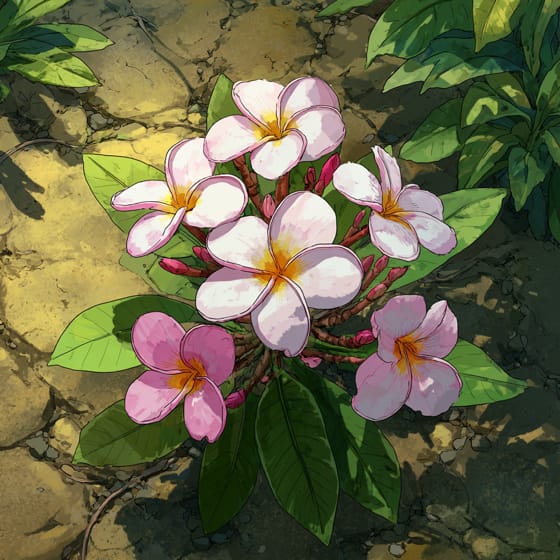
Plumeria rubra
Its caterpillars often feed on the leaves.
Tadarida brasiliensis
These bats hunt moths in flight at night.
.jpg&width=800)
Tyrannus tyrannus
This bird catches flying insects, including moths.
Mirabilis jalapa
Adults visit these flowers for nectar.
Social animals live in organized groups, cooperating for survival benefits such as foraging, defense, and raising offspring.
Colorful describes organisms or objects displaying a wide range of bright and distinct colors.
This trait characterizes organisms whose diet consists entirely or primarily of plant material.
This trait identifies organisms whose diet consists entirely or primarily of animal tissue.

Nocturnal animals are primarily active during the nighttime hours, typically resting or sleeping during the day.

Describes organisms that transfer pollen, enabling the fertilization and reproduction of plants.
Danger
0/5 · No known danger
No special safety notes yet.
The easiest way to identify Alope Sphinx is to use the Snappit nature identifier app.
70-100 mm
30-50 mm
10-20 days
40 km/h
Adults drink flower nectar; caterpillars feast on plant leaves.
Alope Sphinx moths are commonly found in gardens, fields, and areas with plenty of flowering plants.
Foraging
Zoom in to split clusters and explore where this object has been snapped.
Recent snaps will appear here as new observations are added.
Take the discovery with you
Snap it with Snappit to identify it, learn what makes it special, and add the discovery to your collection.








.jpg&width=800)



