.jpg&width=800)





Alpine longhorn Rosalia
Rosalia alpina
The Alpine longhorn Rosalia is a beautiful beetle with long, colorful antennae. It loves to live in forests and is known for its striking blue and black colors that help it blend in with flowers and trees.
Habitat: Forests
The Alpine longhorn Rosalia is a strikingly beautiful beetle, featuring a blue-grey body with distinct black spots, resembling a mosaic pattern. Its exceptionally long, segmented antennae are also banded in blue-grey and black, making it highly recognizable and different from most other beetles.
Category
InsectsRarity
Rare
Danger
1/5 · Very low
Snaps
Be the first to snap!
Finding this beetle means the forest is super healthy and has lots of old, decaying trees.
It's one of Europe's most famous protected insects because it's so rare and special.
Its larvae live inside dead wood for up to four years before finally emerging as adult beetles!
Males often guard females on logs to protect them from other males, quite the romance!
Alpine longhorn Rosalia has striking blue-grey and black patterns that help them blend perfectly with lichen-covered beech bark, avoiding predators.
Alpine longhorn Rosalia can detect mates and food sources using their incredibly long, segmented antennae that sense vibrations and chemicals.
Young Alpine longhorn Rosalia can tunnel through tough, decaying wood because of their strong mandibles, which help them eat and grow.
Adults sip tree sap, while their larvae munch through decaying wood for years.
Age differences: Larvae are xylophagous, feeding on decaying wood. Adults feed on tree sap, especially from damaged trees.
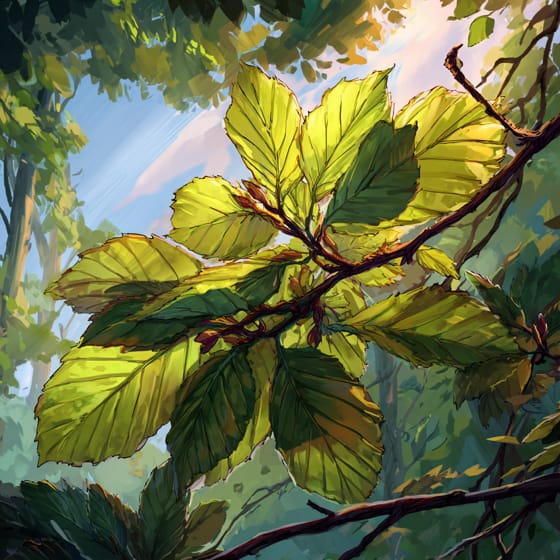
Fagus sylvatica
Larvae bore into its decaying wood.
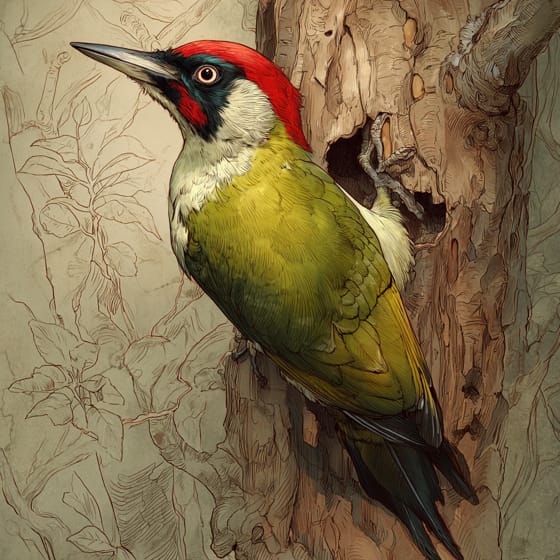
Picus viridis
Woodpeckers find larvae in wood.
Tilia cordata
Larvae also feed on its dead wood.
Solitary animals live alone for most of their lives, only interacting with others for mating or parental care.
Characterized by having one or more hard, permanent, pointed projections on the head.
Camouflaged describes organisms that possess coloring or patterns that allow them to blend into their environment.
Colorful describes organisms or objects displaying a wide range of bright and distinct colors.

This trait characterizes organisms whose diet consists entirely or primarily of plant material.

Forest habitats are terrestrial environments dominated by dense tree cover, supporting a high diversity of plant and animal life.

Diurnal animals are primarily active during daylight hours, typically resting or sleeping at night.

Giant describes organisms or objects of significantly larger size than average for their species or type.

Describes organisms that transfer pollen, enabling the fertilization and reproduction of plants.
No aliases listed yet.
Danger
1/5 · Very low
Always look but don't touch insects, as some can be delicate or might bite.
The easiest way to identify Alpine longhorn Rosalia is to use the Snappit nature identifier app.
30-76 mm
15-38 mm
45-90 days
10-20 km/h
Adults sip tree sap, while their larvae munch through decaying wood for years.
Forests
Foraging
Zoom in to split clusters and explore where this object has been snapped.
Recent snaps will appear here as new observations are added.
Take the discovery with you
Snap it with Snappit to identify it, learn what makes it special, and add the discovery to your collection.








.jpg&width=800)


