





Alpine Marmot
Marmota marmota
Alpine marmots are cute, furry animals that live in the mountains. They are known for their loud whistles and love to sunbathe on rocks during the day.
Habitat: Mountain regions
The Alpine Marmot is a large, stout ground squirrel with grizzled grey-brown fur, often lighter on its belly, and a distinctive dark stripe running from its head to its nose. It has a short, bushy tail and small, rounded ears that help it blend into its rocky, high-altitude home. Its robust build makes it appear much stockier than typical squirrels.
Category
MammalsRarity
Common
Danger
1/5 · Very low
Snaps
Be the first to snap!
Alpine marmots pack on extra weight in summer, sometimes doubling it, for winter survival.
Their loud alarm whistles can travel over a mile across the mountain valleys!
These social animals greet each other by rubbing cheeks to share their unique scents!
They love to sunbathe on warm rocks, soaking up rays to raise their body temperature!
Alpine Marmot can slow its heartbeat and breathing because of special adaptations that allow it to hibernate for months.
Alpine Marmot has a loud, high-pitched whistle that helps them warn family members about predators nearby.
Alpine Marmot can dig deep tunnels because of its strong claws and teeth, creating safe homes from cold and danger.
These plant-eaters munch on mountain greens and flowers to get ready for their long winter sleep.

Aquila chrysaetos
A primary aerial predator of young and adult marmots.
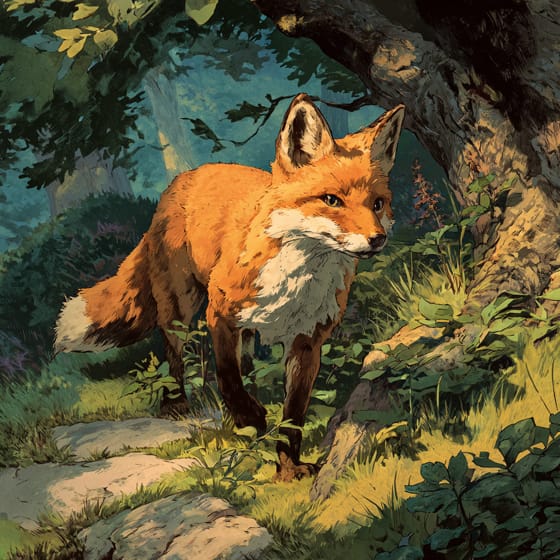
Vulpes vulpes
Opportunistic ground predator that hunts marmots in their habitat.
Lynx lynx
Large feline predator that occasionally preys on marmots.
Furry describes animals possessing a dense covering of soft hair or fur.
Social animals live in organized groups, cooperating for survival benefits such as foraging, defense, and raising offspring.
Burrowing animals dig tunnels and chambers in the ground, using these subterranean structures for shelter, hunting, or breeding.
This trait characterizes organisms whose diet consists entirely or primarily of plant material.

This habitat trait identifies species found in mountainous regions, characterized by high elevation, steep slopes, and varying climate zones.

Hibernating animals enter a state of metabolic depression during cold periods or when food is scarce, characterized by reduced body temperature and activity.

Diurnal animals are primarily active during daylight hours, typically resting or sleeping at night.
No aliases listed yet.
Danger
1/5 · Very low
Always watch from a distance and do not try to touch or feed wild animals.
The easiest way to identify Alpine Marmot is to use the Snappit nature identifier app.
42-54 cm
3-8 kg
10-15 years
30 km/h
These plant-eaters munch on mountain greens and flowers to get ready for their long winter sleep.
Mountain regions
Foraging
Zoom in to split clusters and explore where this object has been snapped.
Recent snaps will appear here as new observations are added.
Take the discovery with you
Snap it with Snappit to identify it, learn what makes it special, and add the discovery to your collection.





.jpg&width=800)


.JPG&width=800)

.jpg&width=800)
