





patas monkey
Erythrocebus patas
The patas monkey is a fast and playful monkey that loves to run! They have long legs and a reddish-brown coat, making them look very special in the grasslands where they live.
Habitat: Savannas
The patas monkey has a striking reddish-brown coat across its back, contrasting sharply with its white belly and limbs. Its face is marked with a distinctive black band across the brows, nose, and muzzle, framed by white whiskers and cheeks, making it look very alert.
Category
MammalsRarity
Common
Danger
2/5 · Low
Snaps
Be the first to snap!
Did you know they are sometimes called 'military monkeys' because they move in disciplined groups?
Patas monkeys often stand on their hind legs to get a better view over tall grasses!
Their long fingers are perfect for snatching up tiny insects and seeds from the ground!
They are very quiet during the hottest part of the day, resting hidden in trees or bushes.
The patas monkey has a reddish-brown coat that helps them blend perfectly into the dry savanna grasses to avoid being seen.
Patas monkeys can make loud barks and whistles that help them warn their group about approaching dangers.
These speedy omnivores forage for tasty fruits, seeds, insects, and sometimes even small animals.
Panthera leo
Lions are a primary predator of patas monkeys in their habitat.
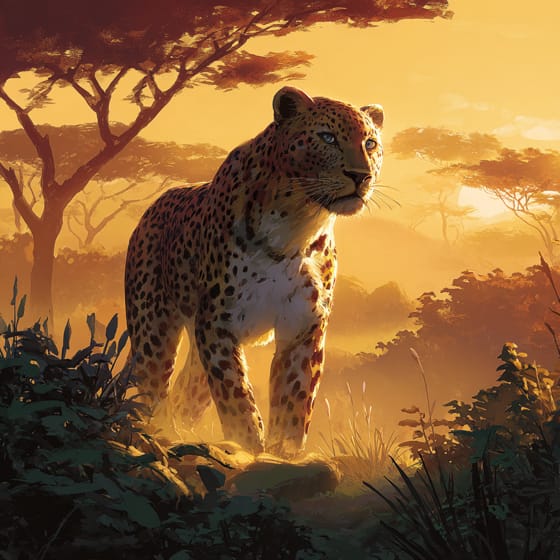
Panthera pardus
Leopards are opportunistic hunters that prey on patas monkeys.
Acacia tortilis
Patas monkeys often feed on the gum and pods from acacia trees.
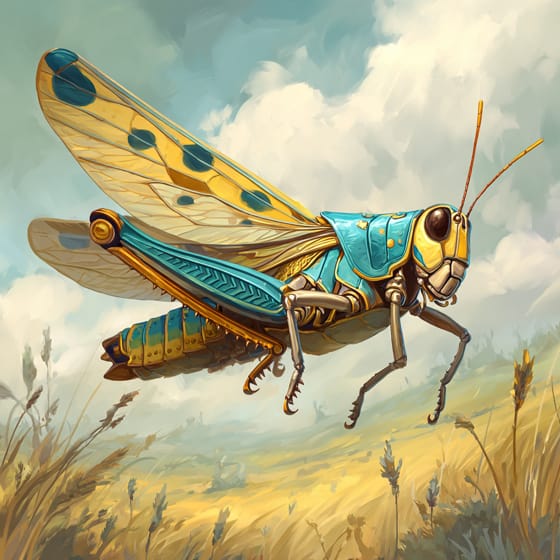
Locusta migratoria
Patas monkeys supplement their diet by catching and eating various insects.
Furry describes animals possessing a dense covering of soft hair or fur.
Social animals live in organized groups, cooperating for survival benefits such as foraging, defense, and raising offspring.
This trait identifies organisms whose diet includes both plant and animal matter.
Arboreal animals live primarily in trees, utilizing them for shelter, food, and protection from predators.

Grassland habitats are terrestrial biomes dominated by grasses and herbaceous plants, supporting a variety of grazing animals.

This habitat trait denotes species native to savannas, which are grasslands with scattered trees, typically found in tropical or subtropical regions with distinct wet and dry seasons.

Diurnal animals are primarily active during daylight hours, typically resting or sleeping at night.

This trait identifies organisms that exhibit exceptional swiftness in movement for hunting, escape, or travel.
Danger
2/5 · Low
Always watch from a distance and never try to touch wild animals.
The easiest way to identify patas monkey is to use the Snappit nature identifier app.
60-90 cm
4-13 kg
15-20 years
55 km/h
These speedy omnivores forage for tasty fruits, seeds, insects, and sometimes even small animals.
Savannas
Foraging
Zoom in to split clusters and explore where this object has been snapped.
Recent snaps will appear here as new observations are added.
New York, US
You might spot Asian Elephant, Humboldt Penguin, and Tiger.
View guide →
.jpg&width=800)
Kansas, US
You might spot Reticulated Giraffe, African Lion, and Tiger.
View guide →

England, UK
You might spot Chimpanzee, Bornean Orangutan, and Sumatran Orangutan.
View guide →
Take the discovery with you
Snap it with Snappit to identify it, learn what makes it special, and add the discovery to your collection.




.jpg&width=800)


.JPG&width=800)


.jpg&width=800)
