





Amazonian Giant Centipede
Scolopendra gigantea
The Amazonian Giant Centipede is a large and impressive creature! They are skilled hunters that can catch small animals.
Habitat: Rainforests
The Amazonian Giant Centipede has a long, segmented body, usually a striking reddish-brown or maroon. Its numerous pairs of legs often have a yellowish or orange hue, making it visually distinct. It also sports prominent antennae.
Category
InsectsRarity
Rare
Danger
2/5 · Low
Snaps
Be the first to snap!
It's one of the largest centipede species on Earth, a true giant!
Some centipede species, like this one, can glow under ultraviolet light!
Their bite is very painful to humans, causing swelling and fever!
This centipede can eat small bats mid-flight, snatching them from the air!
Amazonian Giant Centipede can inject powerful venom using modified front legs that helps them paralyze and subdue prey quickly.
Amazonian Giant Centipede has up to 46 legs that help them grip surfaces, move with surprising speed, and navigate complex terrain.
Amazonian Giant Centipede has long, sensitive antennae that help them detect prey and navigate their dark rainforest habitat.
A fierce carnivore, it hunts and eats insects, spiders, reptiles, amphibians, and even small mammals.
Phyllostomus hastatus
A known prey item caught mid-air.
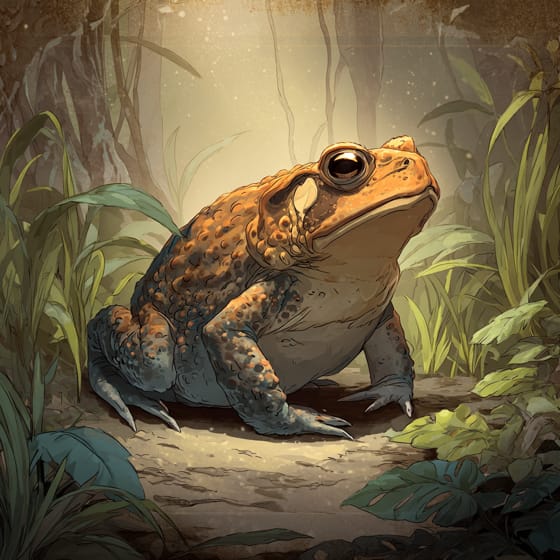
Rhinella marina
Preys on these amphibians when encountered.
Boa constrictor
Can be prey for larger snakes in its habitat.
Solitary animals live alone for most of their lives, only interacting with others for mating or parental care.
An ambush predator hunts by patiently waiting and concealing itself, then launching a sudden attack when unsuspecting prey comes within range.
This habitat trait refers to species found in tropical rainforests, characterized by high annual rainfall, high biodiversity, and dense tree cover.
This trait identifies organisms whose diet consists entirely or primarily of animal tissue.

This trait identifies organisms that exhibit exceptional swiftness in movement for hunting, escape, or travel.

Giant describes organisms or objects of significantly larger size than average for their species or type.

Nocturnal animals are primarily active during the nighttime hours, typically resting or sleeping during the day.

Venomous organisms produce toxins that are injected into another animal, typically through a bite or sting.
Danger
2/5 · Low
Do not touch or pick up. Some insects sting or bite. Ask an adult for help.
The easiest way to identify Amazonian Giant Centipede is to use the Snappit nature identifier app.
150-300 mm
1095-3650 days
A fierce carnivore, it hunts and eats insects, spiders, reptiles, amphibians, and even small mammals.
Rainforests
Ambush
42
Zoom in to split clusters and explore where this object has been snapped.
Recent snaps will appear here as new observations are added.
Take the discovery with you
Snap it with Snappit to identify it, learn what makes it special, and add the discovery to your collection.










.jpg&width=800)




