





Amber Wood Cockroach
Ectobius vittiventris
The Amber Wood Cockroach is a small, brown insect that loves to hide in leaves and trees. They are great at staying out of sight and are often found in forests and gardens.
Habitat: Forests
The Amber Wood Cockroach is slender and flattened, with a pale yellowish-brown, translucent body. Its wings are clear or slightly amber-tinted, extending beyond its abdomen, distinguishing it from larger, darker house cockroaches.
Category
InsectsRarity
Common
Danger
1/5 · Very low
Snaps
Be the first to snap!
These tiny insects help recycle nutrients by munching on dead plants in forests.
They lay their eggs in a special case called an ootheca, protecting future babies.
They use tiny hooks on their feet to climb effortlessly on rough surfaces and trees.
Unlike many cockroaches, they prefer the outdoors and rarely invade homes!
Amber Wood Cockroach can perfectly blend with leaf litter and bark because of its translucent, amber-brown coloration that helps them avoid predators.
Amber Wood Cockroach has fully developed wings that help them quickly fly away from danger or find new food sources.
Amber Wood Cockroach can expertly navigate in darkness because of its long, sensitive antennae that detect smells and vibrations.
They are tiny recyclers, feasting on decaying plants and organic matter in forests.
Araneus diadematus
a common meal for garden spiders
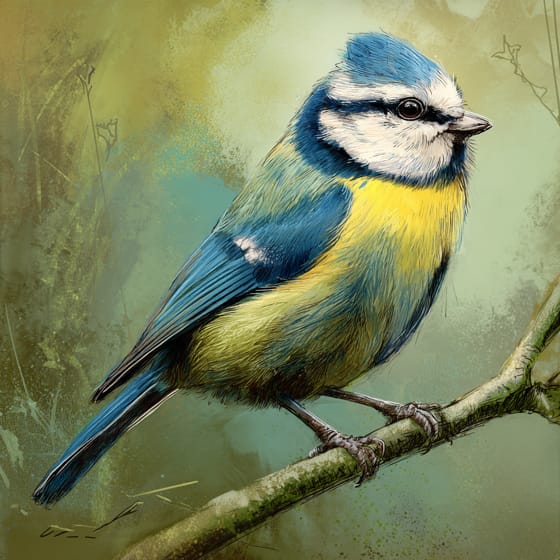
Cyanistes caeruleus
important food source for woodland birds
Trametes versicolor
consumes fungal spores and mycelia
Quercus robur
relies on the leaf litter for food and shelter
Solitary animals live alone for most of their lives, only interacting with others for mating or parental care.
Camouflaged describes organisms that possess coloring or patterns that allow them to blend into their environment.
This trait characterizes organisms whose diet consists entirely or primarily of plant material.
Describes organisms that break down dead organic material, recycling nutrients back into the ecosystem.

Forest habitats are terrestrial environments dominated by dense tree cover, supporting a high diversity of plant and animal life.

This trait identifies organisms that exhibit exceptional swiftness in movement for hunting, escape, or travel.

Nocturnal animals are primarily active during the nighttime hours, typically resting or sleeping during the day.
No aliases listed yet.
Danger
1/5 · Very low
These insects are safe to observe, but it's best to leave them in their home.
The easiest way to identify Amber Wood Cockroach is to use the Snappit nature identifier app.
15-20 mm
7-10 mm
60-120 days
They are tiny recyclers, feasting on decaying plants and organic matter in forests.
Forests
Foraging
6
Zoom in to split clusters and explore where this object has been snapped.
Recent snaps will appear here as new observations are added.
Take the discovery with you
Snap it with Snappit to identify it, learn what makes it special, and add the discovery to your collection.








.jpg&width=800)



