





Amphibolips
amphibolips
The Amphibolips is a tiny, colorful bug that loves to hop around in gardens. It's often found resting on leaves, where it blends in with its surroundings!
Habitat: Amphibolips live in gardens, meadows, and forests where flowers bloom.
The Amphibolips is a small, dark-bodied wasp, typically black or brown, only a few millimeters long. It has clear wings with reduced venation and a distinctive, compressed abdomen. Its subtle, drab colors make it visually distinct through its tiny size and connection to the unique galls it creates on oak trees.
Category
InsectsRarity
Common
Danger
0/5 · No known danger
Snaps
Be the first to snap!
Galls can be bright red, yellow, or even spiky, making them look like alien plant parts!
Some Amphibolips species have two totally different adult forms during their life cycle!
The insects inside galls are super safe; it's like living in a tiny, custom-built castle!
Wow, some galls made by these wasps are so big they look like apples on oak trees!
Amphibolips can reprogram oak tree cells by laying eggs, forcing the plant to grow unique, protective structures called galls.
Amphibolips has the power to cause oak trees to grow specialized plant tissue that surrounds and feeds their developing larvae inside a gall.
Amphibolips has the ability to induce plants to form specialized shelters that protect its developing young from predators.
Amphibolips can use chemical signals to make oak trees grow a perfect, customized home and food source for its offspring.
Amphibolips larvae eat the soft plant tissue inside their gall homes, while adults rarely feed.
Age differences: Larvae consume gall tissue, while adults typically do not feed or may only sip water/nectar.
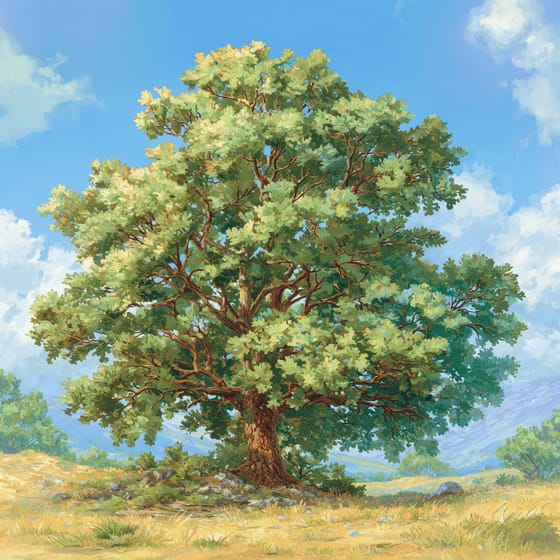
Quercus alba
Provides host material for gall formation and larval development.
Torymus splendidus
Lays eggs inside Amphibolips galls, consuming the larva.
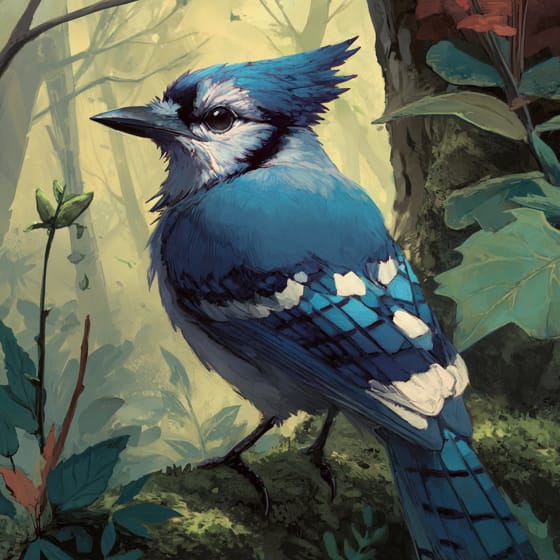
Cyanocitta cristata
Blue jays are known to feed on insects, sometimes pecking open galls.
Social animals live in organized groups, cooperating for survival benefits such as foraging, defense, and raising offspring.
Colorful describes organisms or objects displaying a wide range of bright and distinct colors.
This trait characterizes organisms whose diet consists entirely or primarily of plant material.
Diurnal animals are primarily active during daylight hours, typically resting or sleeping at night.

Describes organisms that transfer pollen, enabling the fertilization and reproduction of plants.
Danger
0/5 · No known danger
Always wash your hands after playing outside.
The easiest way to identify Amphibolips is to use the Snappit nature identifier app.
4-10 mm
2-5 mm
7-20 days
Amphibolips larvae eat the soft plant tissue inside their gall homes, while adults rarely feed.
Amphibolips live in gardens, meadows, and forests where flowers bloom.
6
Zoom in to split clusters and explore where this object has been snapped.
Recent snaps will appear here as new observations are added.
Take the discovery with you
Snap it with Snappit to identify it, learn what makes it special, and add the discovery to your collection.







.jpg&width=800)



