





Amur Corktree
phellodendron amurense
The Amur Corktree is a beautiful tree that can grow tall and wide! Its bark is corky and is fun to touch, making it a favorite among kids exploring nature.
Habitat: It thrives in forests and urban areas across Asia and parts of North America.
The Amur Corktree is a deciduous tree known for its deeply furrowed, spongy, cork-like bark. It has glossy, dark green compound leaves that turn bright yellow in autumn, and produces clusters of small, black, berry-like fruits.
Category
PlantsRarity
Common
Danger
0/5 · No known danger
Snaps
2
Its bark feels like a giant sponge, truly unique among trees!
Native to Asia, it's often planted in parks worldwide for beauty.
Some parts were used to make yellow dye in ancient times.
The fruits smell like turpentine when crushed, a surprising aroma!
Amur Corktree has thick, spongy bark that helps protect it from wildfires and extreme temperatures.
Its leaves contain special oils and compounds that naturally deter many hungry insects from eating them.
Amur Corktree can grow in challenging soils, allowing it to thrive where other trees struggle.
Apis mellifera
Gathers nectar from its greenish-yellow flowers.
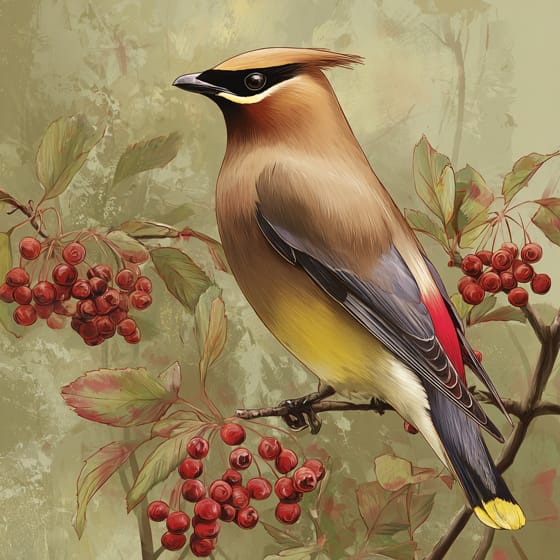
Bombycilla cedrorum
Feeds on its small, black, bitter berries.

Peromyscus leucopus
Utilizes its hollows and dense foliage for shelter.
Arboreal animals live primarily in trees, utilizing them for shelter, food, and protection from predators.
Colorful describes organisms or objects displaying a wide range of bright and distinct colors.
This trait characterizes organisms whose diet consists entirely or primarily of plant material.
Forest habitats are terrestrial environments dominated by dense tree cover, supporting a high diversity of plant and animal life.

Diurnal animals are primarily active during daylight hours, typically resting or sleeping at night.
Danger
0/5 · No known danger
No special safety notes yet.
The easiest way to identify Amur Corktree is to use the Snappit nature identifier app.
1000-1500 cm
1000-1500 cm
0.5-1 cm
Late spring to early summer
No
Mild
Perennial
Zoom in to split clusters and explore where this object has been snapped.

Connecticut, US
You might spot Osprey, Diamondback Terrapin, and Monarch.
View guide →

Massachusetts, US
You might spot Painted Turtle, Red-Tailed Hawk, and American Bullfrog.
View guide →

Louisiana, US
You might spot Sharp-Lobed Hepatica and Purple-Flowered Raspberry.
View guide →
Virginia, US
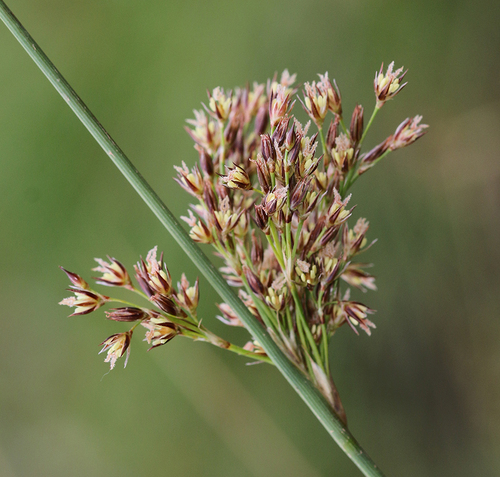
You might spot Rushes, Engelmann's Spikerush, and Dangleberry.
View guide →
Take the discovery with you
Snap it with Snappit to identify it, learn what makes it special, and add the discovery to your collection.








.jpg&width=800)



_001.jpg&width=800)




