.jpg&width=800)





Parrot's feather
Myriophyllum aquaticum
Parrot's feather is a beautiful aquatic plant that looks like a feather! It grows in water and can be green or reddish-brown. This plant helps keep water clean and provides homes for tiny creatures.
Habitat: Wetlands
The Parrot's feather is a striking aquatic plant with bright, blue-green, feathery leaves arranged in whorls along its stems. Its emergent parts rise above the water like miniature pine branches, creating a lush, dense appearance. This fine texture and vibrant color make it visually distinct.
Category
PlantsRarity
Common
Danger
1/5 · Very low
Snaps
12
Even a tiny piece of stem can grow into a whole new plant, helping it spread fast!
Its name comes from its bright green, feather-like leaves that resemble a parrot's plumage!
This plant can grow both above and below the water, sometimes even on damp land!
This plant is originally from the wetlands and slow-moving rivers of South America.
Parrot's feather can grow new plants from tiny stem fragments, helping it spread rapidly and easily in new waters.
Parrot's feather can grow completely submerged, float on the surface, or even grow on damp land along water edges.
Parrot's feather has roots that anchor in sediment, allowing it to form dense, interwoven mats that can cover large water surfaces.
Gambusia affinis
Provides hiding spots for small fish.
Acentria ephemerella
Larvae can feed on the aquatic vegetation.
Libellula quadrimaculata
Larvae hide among its dense foliage.
Flowering plants are any plants that produce flowers as part of their reproductive cycle.
Ornamental plants are cultivated primarily for their aesthetic appeal, enhancing landscapes and gardens with their attractive foliage, flowers, or form.
Colorful describes organisms or objects displaying a wide range of bright and distinct colors.
Rapid growing plants exhibit accelerated growth rates, quickly increasing in size and biomass within a short period.

This habitat trait identifies species found in wetlands, which are areas of land saturated with water, either permanently or seasonally, including marshes, swamps, and bogs.

Freshwater habitats include non-saline aquatic environments such as rivers, lakes, ponds, and wetlands, vital for numerous species.

Aquatic habitats encompass environments where organisms live predominantly in water, including oceans, rivers, lakes, and wetlands.
No aliases listed yet.
Danger
1/5 · Very low
Always be careful near water and don't touch plants without asking an adult.
The easiest way to identify Parrot's feather is to use the Snappit nature identifier app.
10-100 cm
0.05-0.1 cm
Spring to fall
No
None
Perennial
Wind
Zoom in to split clusters and explore where this object has been snapped.

US
You might spot Wharf Louse, Osprey, and Ruddy Turnstone.
View guide →

Georgia, US
You might spot Baldcypress, Anole, and American Alligator.
View guide →

District of Columbia, US
You might spot Blue Dasher, Fragile Forktail, and Slaty Skimmer.
View guide →
South Carolina, US
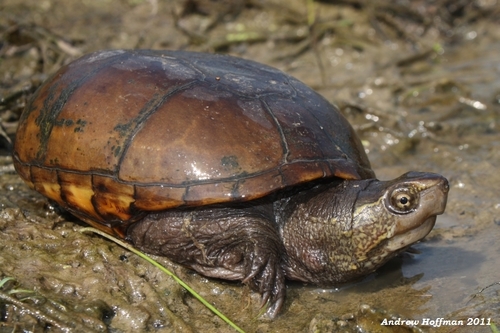
You might spot Eastern Mud Turtle, Anole, and Mediterranean House Gecko.
View guide →

South Carolina, US
You might spot Fiery Skipper, Clouded Skipper, and Carolina Satyr.
View guide →

Georgia, US
You might spot Gulf Fritillary, Muscovy Duck, and Canada Goose.
View guide →
Take the discovery with you
Snap it with Snappit to identify it, learn what makes it special, and add the discovery to your collection.








.jpg&width=800)



_001.jpg&width=800)




