





Annual mercury
Mercurialis annua
Annual mercury is a green plant that grows in many places. It has soft leaves and can be found in gardens and fields, making it easy to spot during nature walks.
Habitat: Urban areas
The Annual mercury is a bushy plant with opposite, bright to dark green leaves that are often serrated. Its tiny, inconspicuous green flowers grow in clusters at the leaf axils, making it look quite ordinary compared to showier plants.
Category
PlantsRarity
Common
Danger
2/5 · Low
Snaps
Be the first to snap!
Annual mercury is often the very first plant to sprout in freshly dug garden soil!
Despite being poisonous, it was once used for medicine by ancient people!
Eating this plant can make milk from cows taste bitter or even toxic!
Its scientific name 'Mercurialis' might hint at its quick, mercurial spread!
Annual mercury has male and female flowers on separate plants, ensuring genetic diversity for stronger offspring.
It can grow and produce seeds very quickly, helping it colonize new, disturbed areas fast for survival.
Its tiny flowers release pollen into the wind, letting it spread far without needing insect help to reproduce.
Homo sapiens
Thrives in disturbed soil created by human activity.
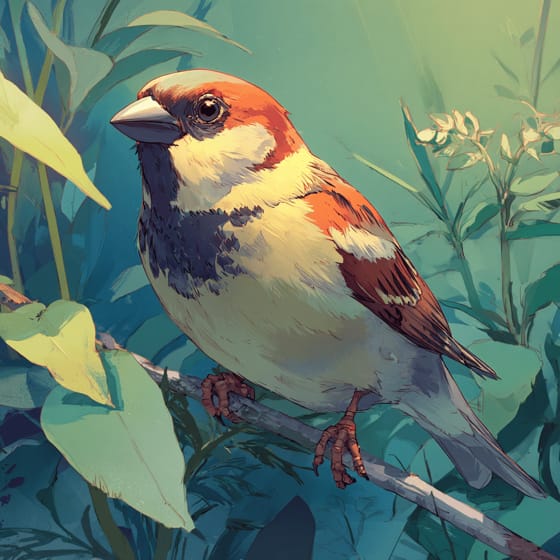
Passer domesticus
These birds may consume its small seeds.

Carabus nemoralis
Its bushy growth provides shelter for small insects.
Flowering plants are any plants that produce flowers as part of their reproductive cycle.
Medicinal plants possess chemical compounds that can be used for therapeutic purposes to treat illnesses or maintain health.
Edible plants are those parts of a plant that are considered safe for human consumption.
Rapid growing plants exhibit accelerated growth rates, quickly increasing in size and biomass within a short period.

This habitat trait indicates species that can coexist with humans in urban and suburban environments, utilizing man-made structures and green spaces.
No aliases listed yet.
Danger
2/5 · Low
Do not touch or eat plants without asking an adult first.
The easiest way to identify Annual mercury is to use the Snappit nature identifier app.
10-60 cm
15-40 cm
Summer-fall
No
Moderate
Annual
Wind
Zoom in to split clusters and explore where this object has been snapped.
Recent snaps will appear here as new observations are added.
Take the discovery with you
Snap it with Snappit to identify it, learn what makes it special, and add the discovery to your collection.








.jpg&width=800)



_001.jpg&width=800)



