





Ant-like Longhorn Beetle
Cyrtophorus verrucosus
The Ant-like Longhorn Beetle is a small, fascinating insect that looks a bit like an ant! It has long antennae and a shiny body, making it special and fun to spot in nature.
Habitat: Forests
The Ant-like Longhorn Beetle has a slender, elongated black or dark brown body often marked with orange or yellow bands. Its most striking features are its extra-long antennae and constricted 'waist' area, giving it a remarkable resemblance to a foraging ant.
Category
InsectsRarity
Common
Danger
1/5 · Very low
Snaps
Be the first to snap!
Its babies, called larvae, live inside dead trees and munch on wood for several years!
They help forests by breaking down dead wood, clearing space for new plants to grow!
Unlike many beetles, the Ant-like Longhorn Beetle can make a squeaking sound when disturbed!
Wow! These beetles wiggle their long antennae just like ants do to complete their disguise!
Ant-like Longhorn Beetle can perfectly mimic ants because of its body shape and coloring that helps them avoid predators.
Ant-like Longhorn Beetle has long, jointed antennae that help them find mates and detect suitable wood for their babies.
Ant-like Longhorn Beetle has a hard exoskeleton that helps them protect their soft insides from bumps and predators.
Ant-like Longhorn Beetle larvae can bore tunnels through dead wood because of their strong jaws that helps them eat and grow.
Babies eat dead wood, adults might sip nectar or not eat at all!
Age differences: Larvae consume decaying wood, while adults may feed on nectar/pollen or not at all.
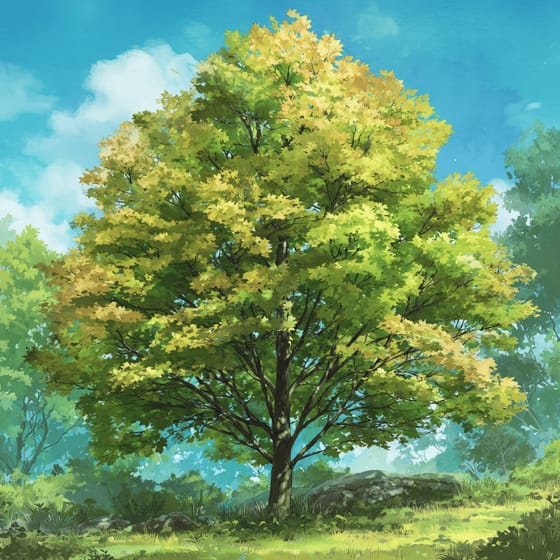
Acer saccharum
Larvae tunnel through and feed on dead wood of this tree.
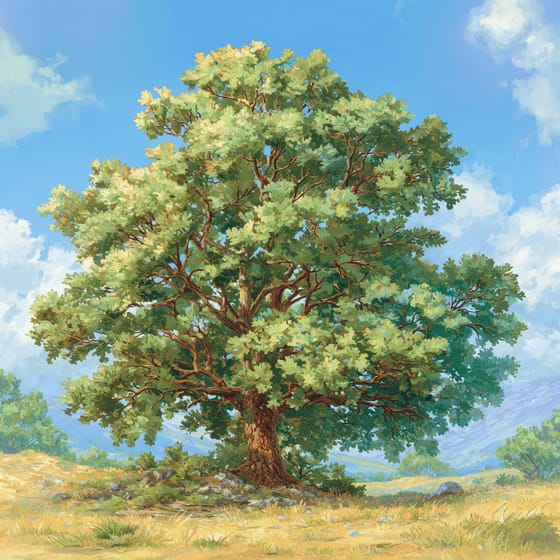
Quercus alba
Beetle larvae also develop inside decaying wood of oak trees.
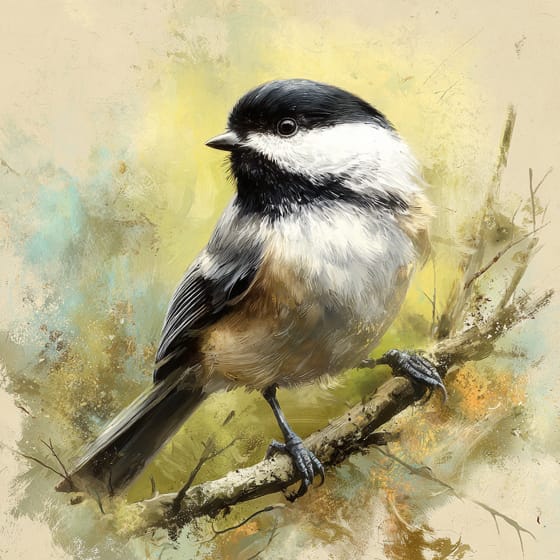
Parus atricapillus
A small bird that might eat the adult beetles.
Formica fusca
If mimicry fails, actual ants can prey on the beetles.
Solitary animals live alone for most of their lives, only interacting with others for mating or parental care.
Camouflaged describes organisms that possess coloring or patterns that allow them to blend into their environment.
This trait characterizes organisms whose diet consists entirely or primarily of plant material.
Describes organisms that break down dead organic material, recycling nutrients back into the ecosystem.

Forest habitats are terrestrial environments dominated by dense tree cover, supporting a high diversity of plant and animal life.

Diurnal animals are primarily active during daylight hours, typically resting or sleeping at night.

Pertaining to species that are significantly smaller than typical or average for their kind.
No aliases listed yet.
Danger
1/5 · Very low
Be gentle and watch where you step to protect little insects like this beetle.
The easiest way to identify Ant-like Longhorn Beetle is to use the Snappit nature identifier app.
10-20 mm
5-10 mm
30-90 days
5 km/h
Babies eat dead wood, adults might sip nectar or not eat at all!
Forests
Foraging
Zoom in to split clusters and explore where this object has been snapped.
Recent snaps will appear here as new observations are added.
Take the discovery with you
Snap it with Snappit to identify it, learn what makes it special, and add the discovery to your collection.







.jpg&width=800)



