





Anthaxia nitidula
Anthaxia nitidula
The shiny, green Anthaxia nitidula is a small beetle that loves to munch on leaves. It has a beautiful metallic sheen that makes it sparkle in the sunlight!
Habitat: Forests
The Anthaxia nitidula is a small, metallic jewel beetle, often displaying iridescent green, bronze, or coppery hues. Its flattened, oblong body and the way its colors shimmer distinguish it from duller beetles, especially in sunlight, making it appear jewel-like.
Category
InsectsRarity
Common
Danger
1/5 · Very low
Snaps
Be the first to snap!
Adult Anthaxia nitidula are often seen sunbathing on warm leaves, soaking up energy!
Baby Anthaxia nitidula spend up to two years as grubs, munching inside wood!
Their amazing shimmer is not paint, but light reflecting off special tiny structures on their shell!
These tiny beetles are named 'jewel beetles' because of their brilliant, metallic shine!
Anthaxia nitidula has a super shiny exoskeleton that helps them blend into leaves and flowers, making it hard for predators to spot them.
Anthaxia nitidula larvae can tunnel through dead wood, creating intricate pathways that help decompose fallen trees in the forest.
Anthaxia nitidula can fly nimbly between flowers, helping to carry pollen and fertilize plants for new growth and fruits.
Adult Anthaxia nitidula enjoy sweet flower nectar and pollen, while their larvae munch on dead wood.
Age differences: Larvae feed on dead wood of various deciduous trees. Adults primarily feed on nectar and pollen from flowers.
Quercus robur
Larvae develop within the dead wood of oak trees.
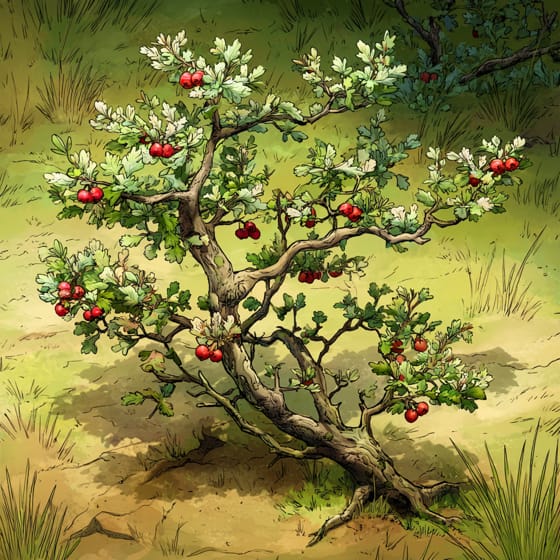
Crataegus monogyna
Adults visit hawthorn flowers for nectar, aiding pollination.
%2C_Parc_de_Woluw%C3%A9%2C_Brussels_(13042792905).jpg&width=800)
Parus major
Adult Anthaxia nitidula can be prey for small birds.
Solitary animals live alone for most of their lives, only interacting with others for mating or parental care.
Colorful describes organisms or objects displaying a wide range of bright and distinct colors.
This trait characterizes organisms whose diet consists entirely or primarily of plant material.
Describes plants that are particularly attractive and beneficial to a wide range of pollinating organisms.

Forest habitats are terrestrial environments dominated by dense tree cover, supporting a high diversity of plant and animal life.

Diurnal animals are primarily active during daylight hours, typically resting or sleeping at night.

Pertaining to species that are significantly smaller than typical or average for their kind.

Describes organisms that transfer pollen, enabling the fertilization and reproduction of plants.
No aliases listed yet.
Danger
1/5 · Very low
These beetles are harmless, but it's best to look and not touch them.
The easiest way to identify Anthaxia nitidula is to use the Snappit nature identifier app.
7-16 mm
4.5-8 mm
21-60 days
Adult Anthaxia nitidula enjoy sweet flower nectar and pollen, while their larvae munch on dead wood.
Forests
Foraging
6
Zoom in to split clusters and explore where this object has been snapped.
Recent snaps will appear here as new observations are added.
Take the discovery with you
Snap it with Snappit to identify it, learn what makes it special, and add the discovery to your collection.







.jpg&width=800)


