





Anthaxia podolica
Anthaxia podolica
The Anthaxia podolica is a shiny little beetle that loves to munch on leaves. Its bright colors make it easy to spot in the garden, and it helps keep plants healthy by eating pests.
Habitat: Forests
The Anthaxia podolica is a small, flattened jewel beetle, often displaying a brilliant metallic green, blue, or coppery sheen. Its body is elongated and somewhat boat-shaped, with distinct, finely ridged wing covers. This beetle stands out due to its striking iridescent coloration.
Category
InsectsRarity
Common
Danger
1/5 · Very low
Snaps
Be the first to snap!
Adults feast on pollen and nectar, helping plants by moving tiny golden grains!
Some jewel beetles are drawn to forest fires, sensing the heat from miles away!
Their babies, called larvae, have a strange, flattened head for boring into wood!
They are part of a huge family with over 15,000 dazzling, metallic species worldwide!
Anthaxia podolica has a shimmering, metallic exoskeleton that helps them blend into foliage while dazzling predators.
Anthaxia podolica can quickly fly between plants using its strong wings, which helps them escape danger and find food.
Anthaxia podolica larvae have strong mandibles that help them chew through wood, creating tunnels for development.
Adults sip nectar and pollen from flowers, while their larvae munch on tree wood!
Age differences: Adults forage on pollen and nectar, while larvae bore into and consume wood.
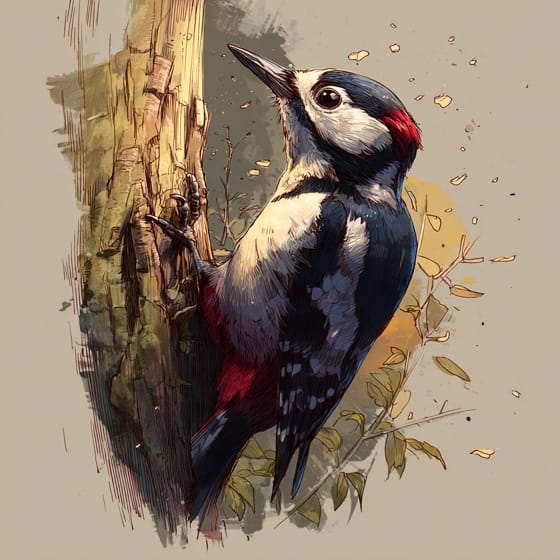
Picoides major
Woodpeckers find them in bark.
Quercus robur
Larvae tunnel within its wood.
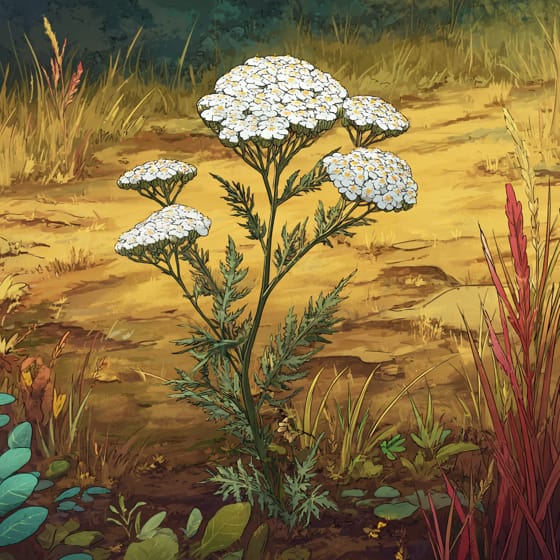
Achillea millefolium
Adults feed on its pollen.
Solitary animals live alone for most of their lives, only interacting with others for mating or parental care.
Colorful describes organisms or objects displaying a wide range of bright and distinct colors.
This trait characterizes organisms whose diet consists entirely or primarily of plant material.
Describes plants that are particularly attractive and beneficial to a wide range of pollinating organisms.

Forest habitats are terrestrial environments dominated by dense tree cover, supporting a high diversity of plant and animal life.

Diurnal animals are primarily active during daylight hours, typically resting or sleeping at night.

Describes a species whose presence and role have a disproportionately large effect on its environment.

Pertaining to species that are significantly smaller than typical or average for their kind.

Describes organisms that transfer pollen, enabling the fertilization and reproduction of plants.
No aliases listed yet.
Danger
1/5 · Very low
Be gentle and watch where you step in nature to protect little creatures like beetles.
The easiest way to identify Anthaxia podolica is to use the Snappit nature identifier app.
10-14 mm
4-7 mm
30-60 days
6 km/h
Adults sip nectar and pollen from flowers, while their larvae munch on tree wood!
Forests
Foraging
Zoom in to split clusters and explore where this object has been snapped.
Recent snaps will appear here as new observations are added.
Take the discovery with you
Snap it with Snappit to identify it, learn what makes it special, and add the discovery to your collection.







.jpg&width=800)

