





Aphis
Aphis
Aphids are tiny insects that love to munch on plants. They come in many colors and can be found in gardens and fields. These little bugs are important for nature because they help feed other animals!
Habitat: Gardens
The Aphis has a soft, pear-shaped body, typically 1-4mm long, with two short antennae and two tube-like cornicles on its rear. Its color varies widely, often appearing green, black, yellow, or pink, helping it blend with host plants.
Category
InsectsRarity
Common
Danger
1/5 · Very low
Snaps
Be the first to snap!
An Aphis baby is born pregnant with its own future babies!
Some Aphis defend themselves by dropping off plants when threatened.
They can change their body shape to look like plant buds or thorns!
They transmit plant diseases faster than you can say 'photosynthesis'!
Aphis can produce a sweet, sticky liquid called honeydew that attracts ants, creating unique partnerships.
Some Aphis can grow wings, allowing them to fly to new plants when food runs low or their home is crowded.
Aphis has the incredible ability to give birth to live young, often clones, without needing a mate.
Aphis has specialized piercing mouthparts that help it drink sap directly from plant veins undetected.
Tiny insects that drink nutrient-rich sap directly from the phloem of plants.
Coccinella septempunctata
Ladybugs love to feast on Aphis, helping gardeners.
Eupeodes corollae
Hoverfly larvae are fierce predators of soft-bodied Aphis.
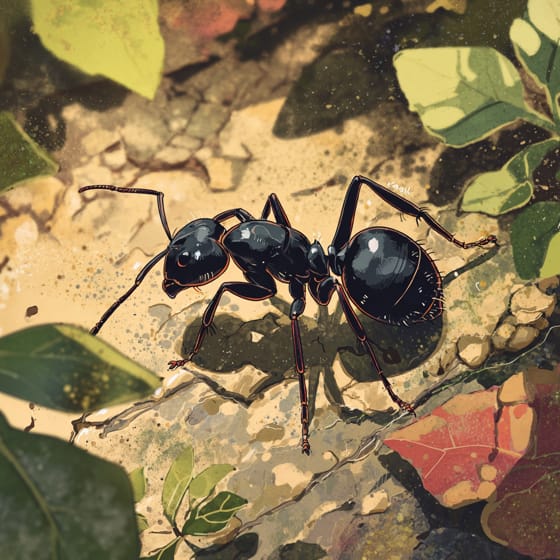
Lasius niger
Ants 'farm' Aphis for their sweet honeydew, protecting them.
Rosa gallica
Aphis can damage rose bushes by drinking their vital sap.
Brassica oleracea
Many Aphis species are common pests on cabbage and broccoli.
Social animals live in organized groups, cooperating for survival benefits such as foraging, defense, and raising offspring.
Colorful describes organisms or objects displaying a wide range of bright and distinct colors.
This trait characterizes organisms whose diet consists entirely or primarily of plant material.
Describes a relationship between two different species where they live in close association, often benefiting one or both.

Diurnal animals are primarily active during daylight hours, typically resting or sleeping at night.

Describes a species whose presence and role have a disproportionately large effect on its environment.

Pertaining to species that are significantly smaller than typical or average for their kind.

This habitat trait indicates species that can coexist with humans in urban and suburban environments, utilizing man-made structures and green spaces.

Describes organisms that transfer pollen, enabling the fertilization and reproduction of plants.
No aliases listed yet.
Danger
1/5 · Very low
Aphids are harmless, but it's best to leave them alone and not touch them.
The easiest way to identify Aphis is to use the Snappit nature identifier app.
5-8 mm
1-4 mm
20-40 days
Tiny insects that drink nutrient-rich sap directly from the phloem of plants.
Gardens
Grazing
6
Zoom in to split clusters and explore where this object has been snapped.
Recent snaps will appear here as new observations are added.
Take the discovery with you
Snap it with Snappit to identify it, learn what makes it special, and add the discovery to your collection.








.jpg&width=800)


