





Aplidia transversa
Aplidia transversa
Aplidia transversa is a small, colorful insect that loves to hide in plants. Its bright colors help it blend in with flowers, making it a little tricky to spot!
Habitat: Forests
The Aplidia transversa is a reddish-brown chafer beetle covered in fine, light hairs, giving it a velvety look. It often features subtle, lighter transverse bands across its wing cases, distinguishing it from plain brown relatives.
Category
InsectsRarity
Common
Danger
1/5 · Very low
Snaps
Be the first to snap!
Its babies, called grubs, live hidden underground for several years before transforming!
Some Aplidia transversa can appear in huge swarms, covering entire trees at night!
These beetles often gather around lights at night, thinking they are the moon!
When they fly, these beetles create a distinct buzzing sound, almost like a tiny helicopter!
Aplidia transversa can fly powerfully through the night sky to find food and mates, thanks to its robust wings.
Aplidia transversa has a hard, protective exoskeleton that shields it from predators and environmental hazards.
Aplidia transversa can detect faint pheromones and plant scents with its specialized antennae, helping it locate mates and food sources.
These beetles mostly munch on plant leaves and roots, helping recycle nutrients in their ecosystem.
Age differences: Larvae feed on plant roots underground, while adults consume the leaves of trees and shrubs.
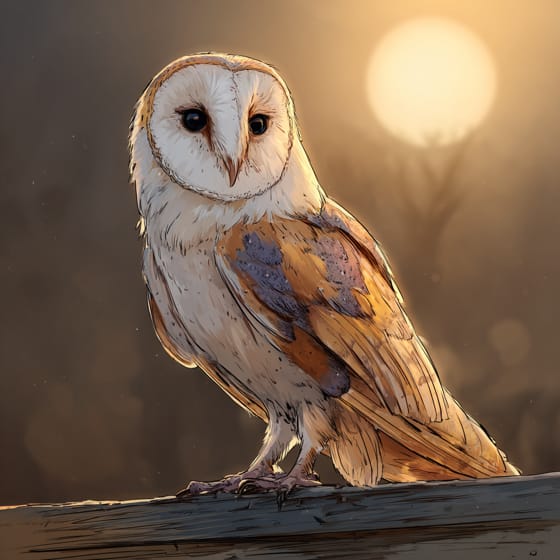
Tyto alba
Nocturnal hunters, they prey on adult beetles flying at night.
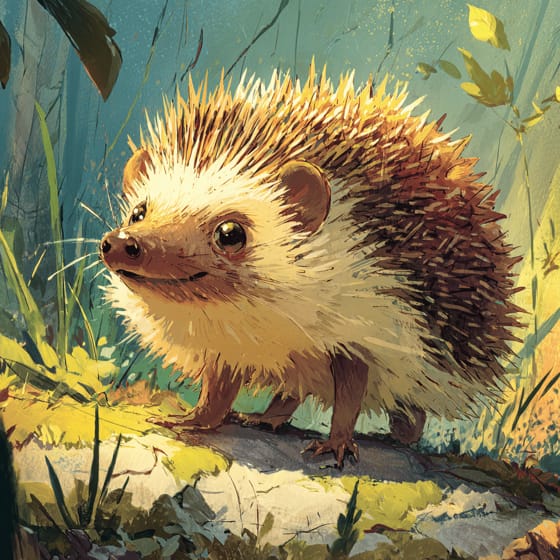
Erinaceus europaeus
Forages for grubs and adult beetles on the ground.

Quercus ilex
Adults feed on the leaves of this common Mediterranean tree.
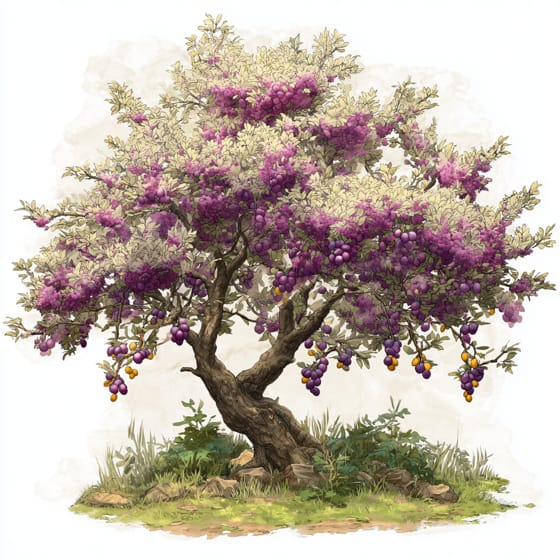
Prunus domestica
Adult beetles can sometimes defoliate fruit trees.
Solitary animals live alone for most of their lives, only interacting with others for mating or parental care.
Colorful describes organisms or objects displaying a wide range of bright and distinct colors.
This trait characterizes organisms whose diet consists entirely or primarily of plant material.
Describes plants that are particularly attractive and beneficial to a wide range of pollinating organisms.

Forest habitats are terrestrial environments dominated by dense tree cover, supporting a high diversity of plant and animal life.

Diurnal animals are primarily active during daylight hours, typically resting or sleeping at night.

Pertaining to species that are significantly smaller than typical or average for their kind.

Describes organisms that transfer pollen, enabling the fertilization and reproduction of plants.
No aliases listed yet.
Danger
1/5 · Very low
Always look but don’t touch insects, as some can be delicate.
The easiest way to identify Aplidia transversa is to use the Snappit nature identifier app.
20-30 mm
12-16 mm
30-60 days
8 km/h
These beetles mostly munch on plant leaves and roots, helping recycle nutrients in their ecosystem.
Forests
Foraging
Zoom in to split clusters and explore where this object has been snapped.
Recent snaps will appear here as new observations are added.
Take the discovery with you
Snap it with Snappit to identify it, learn what makes it special, and add the discovery to your collection.







.jpg&width=800)


