





Cryptocephalus violaceus
Cryptocephalus violaceus
The Cryptocephalus violaceus is a shiny little beetle that loves to munch on plants. Its bright colors make it easy to spot in gardens and fields!
Habitat: Grasslands
The Cryptocephalus violaceus is a small, oval-shaped leaf beetle, typically 4-6 mm long, with a striking metallic violet or bluish-purple iridescence. Its smooth, shiny exoskeleton sets it apart from many other duller leaf beetles, making it appear like a tiny living jewel.
Category
InsectsRarity
Common
Danger
1/5 · Very low
Snaps
Be the first to snap!
Baby Cryptocephalus violaceus build tiny 'cases' out of poop to hide themselves!
If threatened, it can sometimes play dead by dropping to the ground!
Its stunning metallic purple color makes it look like a tiny jewel in the garden!
These beetles can often be found basking on sunny leaves, soaking up the warmth.
Female Cryptocephalus violaceus can create a tiny, camouflaged 'case' for their eggs to protect them from harm.
Cryptocephalus violaceus can chew through tough plant leaves because of its strong mandibles that help them get nutrients.
Cryptocephalus violaceus has a dark, hard case in its larval stage that helps it blend in with debris on the ground.
This beetle loves to munch on the leaves of various trees and shrubs.
%2C_Parc_de_Woluw%C3%A9%2C_Brussels_(13042792905).jpg&width=800)
Parus major
Birds often prey on these shiny beetles.
Araneus diadematus
Spiders can catch adults in their webs.
Quercus robur
Adults and larvae feed on oak leaves.
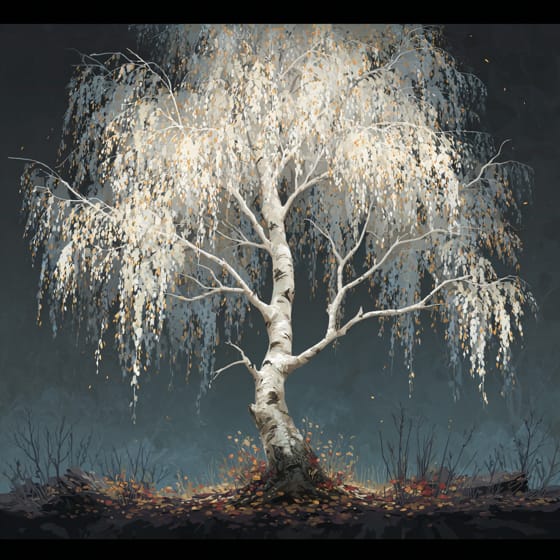
Betula pendula
They munch on the leaves of birch trees.
Solitary animals live alone for most of their lives, only interacting with others for mating or parental care.
Colorful describes organisms or objects displaying a wide range of bright and distinct colors.
Grassland habitats are terrestrial biomes dominated by grasses and herbaceous plants, supporting a variety of grazing animals.
This trait characterizes organisms whose diet consists entirely or primarily of plant material.

Describes plants that are particularly attractive and beneficial to a wide range of pollinating organisms.

Diurnal animals are primarily active during daylight hours, typically resting or sleeping at night.

Pertaining to species that are significantly smaller than typical or average for their kind.

Describes organisms that transfer pollen, enabling the fertilization and reproduction of plants.
No aliases listed yet.
Danger
1/5 · Very low
Be gentle and watch where you step, as insects like this beetle can be small and easily missed.
The easiest way to identify Cryptocephalus violaceus is to use the Snappit nature identifier app.
4-6 mm
30-90 days
This beetle loves to munch on the leaves of various trees and shrubs.
Grasslands
Foraging
6
Zoom in to split clusters and explore where this object has been snapped.
Recent snaps will appear here as new observations are added.
Take the discovery with you
Snap it with Snappit to identify it, learn what makes it special, and add the discovery to your collection.






.jpg&width=800)



