_Lycaena_dispar_-_Ka%C5%A1%C4%97tos_-_Lithuania_-_male.jpg&width=800)





Large Copper
Lycaena dispar
The Large Copper is a beautiful butterfly with bright orange wings and black spots. It loves to flutter around in sunny meadows and wetlands, making it a lovely sight to see!
Habitat: Wetlands
The Large Copper has brilliant, iridescent coppery-orange forewings with small black spots, contrasting with duller brown hindwings often bordered in orange. Its underside is a mosaic of grey-brown with black spots and orange patches, making it visually distinct from most other butterflies.
Category
InsectsRarity
Common
Danger
1/5 · Very low
Snaps
Be the first to snap!
Its caterpillar stage spends winter as a tiny, hidden larva on a sorrel plant, waiting for spring to grow!
Male Large Coppers are much brighter and more vividly orange than females, showing off their dazzling colors.
This butterfly famously went extinct in Britain, but was brought back using butterflies from the Netherlands!
Young Large Coppers have a special scent that attracts certain ants, who sometimes protect them from other insects!
Large Copper larvae have green bodies that help them blend perfectly with the sorrel leaves they eat, avoiding hungry predators.
Large Copper can quickly find specific wetland flowers because of their excellent eyesight, which helps them collect energy-rich nectar.
The Large Copper has strong wings and a quick flight, allowing it to dart away from threats and cover ground efficiently.
Adults sip flower nectar; caterpillars munch on specialized wetland plants.
Age differences: Larvae eat plant leaves, while adults exclusively drink flower nectar.
Rumex hydrolapathum
Larvae feed on its leaves.
Mentha aquatica
Adults drink nectar and transfer pollen.
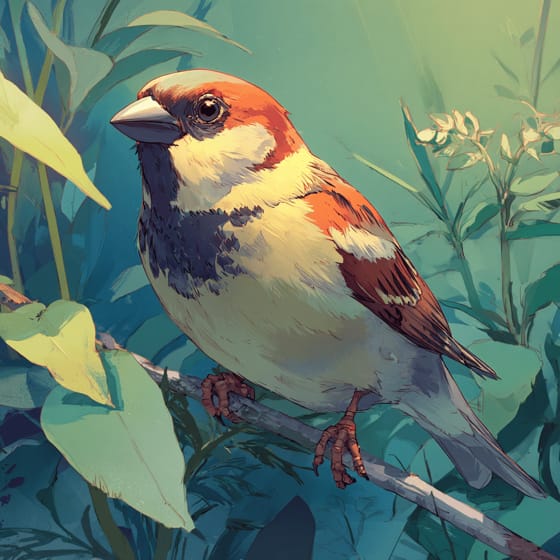
Passer domesticus
Birds are common predators of adult butterflies.
Marked with spots or patches of a different color.
Solitary animals live alone for most of their lives, only interacting with others for mating or parental care.
Colorful describes organisms or objects displaying a wide range of bright and distinct colors.
This trait characterizes organisms whose diet consists entirely or primarily of plant material.

Describes plants that are particularly attractive and beneficial to a wide range of pollinating organisms.

This habitat trait identifies species found in wetlands, which are areas of land saturated with water, either permanently or seasonally, including marshes, swamps, and bogs.

Diurnal animals are primarily active during daylight hours, typically resting or sleeping at night.

Describes organisms that transfer pollen, enabling the fertilization and reproduction of plants.
No aliases listed yet.
Danger
1/5 · Very low
Always watch butterflies from a distance and don't try to catch them.
The easiest way to identify Large Copper is to use the Snappit nature identifier app.
30-45 mm
15-20 mm
15-30 days
18 km/h
Adults sip flower nectar; caterpillars munch on specialized wetland plants.
Wetlands
Foraging
Zoom in to split clusters and explore where this object has been snapped.
Recent snaps will appear here as new observations are added.
Take the discovery with you
Snap it with Snappit to identify it, learn what makes it special, and add the discovery to your collection.







.jpg&width=800)



