





Arrow-Leaved Tearthumb
persicaria sagittata
The Arrow-Leaved Tearthumb is a fun plant with arrow-shaped leaves that kids can spot in wetlands! Its tiny flowers attract many insects, making it a busy place for nature lovers.
Habitat: Wetlands, marshes, and riverbanks
The Arrow-Leaved Tearthumb is a slender, climbing plant with distinctive arrow-shaped leaves. Its reddish stems are armed with tiny, backward-pointing barbs, giving it a prickly feel. Small clusters of delicate pink or white flowers bloom along the upper stems in late summer.
Category
PlantsRarity
Common
Danger
0/5 · No known danger
Snaps
2
Its name 'Tearthumb' comes from the tiny hooks that can gently catch your skin!
Look closely, and you'll see its tiny pink flowers are shaped like miniature stars!
Some people cook and eat its young leaves, which have a refreshing, tart flavor!
This plant can form dense, tangled mats, creating amazing shelter for small animals!
Arrow-Leaved Tearthumb has tiny recurved barbs on its stems that help it cling to other plants, enabling it to climb upwards for more sunlight.
Arrow-Leaved Tearthumb can thrive in waterlogged soils, using specialized root adaptations to access oxygen in boggy environments.
Arrow-Leaved Tearthumb has sharp prickles along its stems and leaf margins that can cause a mild, stinging sensation if touched.
Apis mellifera
Visits flowers for nectar and pollen.
Anas platyrhynchos
Ducks consume the plant's seeds.
Oryzomys palustris
Small mammals browse on the foliage.
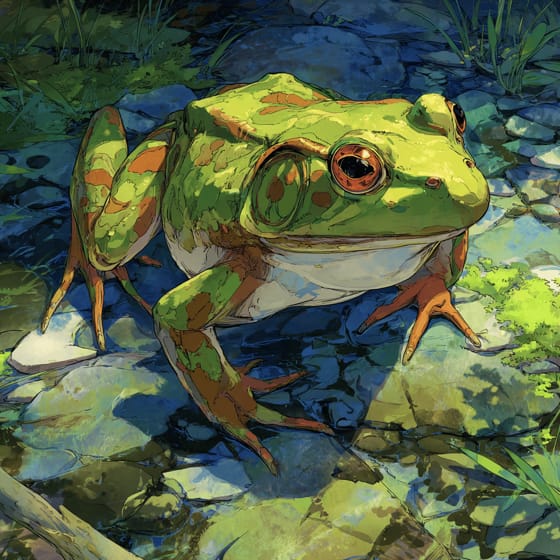
Rana catesbeiana
Provides cover within its dense growth.
Solitary animals live alone for most of their lives, only interacting with others for mating or parental care.
Colorful describes organisms or objects displaying a wide range of bright and distinct colors.
This trait characterizes organisms whose diet consists entirely or primarily of plant material.
Describes organisms that transfer pollen, enabling the fertilization and reproduction of plants.
Danger
0/5 · No known danger
No special safety notes yet.
The easiest way to identify Arrow-Leaved Tearthumb is to use the Snappit nature identifier app.
30-200 cm
30-150 cm
0.2-0.4 cm
Summer-fall
Yes
Mild
Annual
Zoom in to split clusters and explore where this object has been snapped.

New Jersey, US
You might spot Mountain Laurel, Eastern Skunk Cabbage, and Poison Sumac.
View guide →

Connecticut, US
You might spot Downy Woodpecker and Eastern Skunk Cabbage.
View guide →
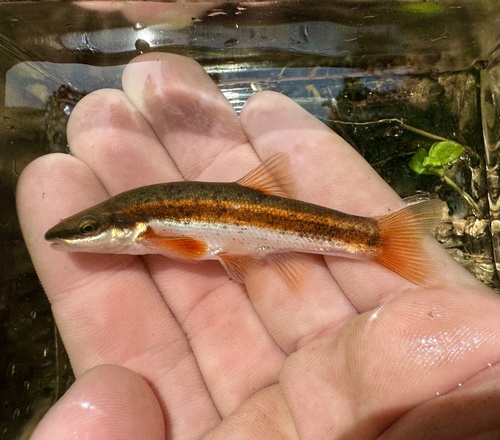
Virginia, US
You might spot Eastern Blacknose Dace and Common Jewelweed.
View guide →
Take the discovery with you
Snap it with Snappit to identify it, learn what makes it special, and add the discovery to your collection.









.jpg&width=800)



_001.jpg&width=800)




