





Antelope Bitterbrush
Purshia tridentata
Antelope Bitterbrush is a bush that grows in dry places. It has bright yellow flowers and is very important for animals like deer and rabbits who eat its leaves.
Habitat: Desert
The Antelope Bitterbrush is a sturdy, multi-branched shrub with distinctive wedge-shaped, often three-lobed leaves. Its bright yellow, five-petaled flowers bloom in clusters, creating a vibrant contrast against its greyish-green foliage in spring.
Category
PlantsRarity
Common
Danger
1/5 · Very low
Snaps
13
If you taste a bitterbrush leaf, you'll know why it got its name – it's quite bitter!
Its seeds are often collected and hidden by animals, which helps new bitterbrush plants grow!
Native Americans used the very strong wood of bitterbrush to make tools and for building fires!
The tough, slightly fuzzy leaves of this plant help it stay hydrated under the hot desert sun!
Antelope Bitterbrush has an incredibly deep taproot that helps it find water far underground to survive dry spells.
Antelope Bitterbrush can sprout new growth from its base even after a fire, helping it quickly recover.
Antelope Bitterbrush has extensive roots that firmly hold soil in place, preventing erosion on slopes.
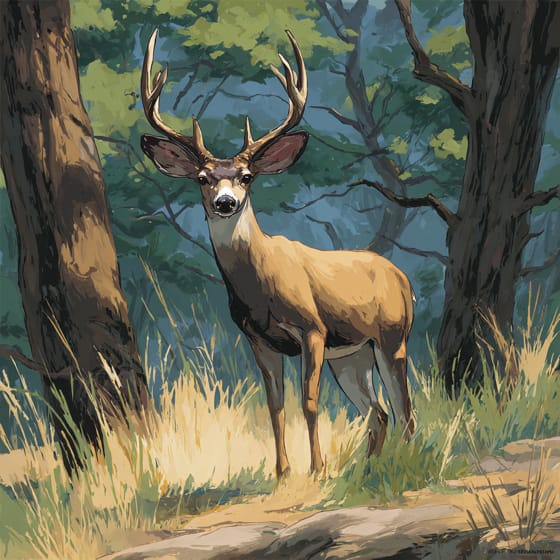
Odocoileus hemionus
A primary food source, especially in winter.
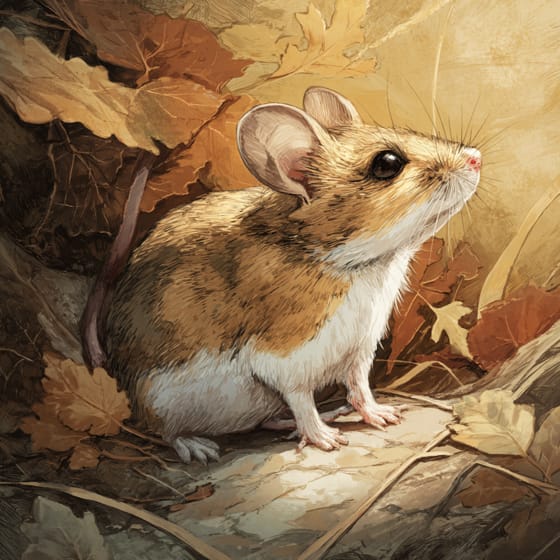
Peromyscus maniculatus
Eats seeds and helps disperse them to new areas.
Bombus occidentalis
Visits its yellow flowers to collect nectar and pollen.

Artemisia tridentata
Often grows alongside, creating a diverse plant community.
Deciduous plants periodically shed all their leaves, typically during autumn or dry seasons.
Flowering plants are any plants that produce flowers as part of their reproductive cycle.
A shrub is a woody plant smaller than a tree, typically with multiple stems branching from or near the ground.
Fragrant flowers emit a pleasant aroma, often to attract pollinators or for defense.

Drought-tolerant plants can survive and flourish in conditions with limited water availability.

Edible plants are those parts of a plant that are considered safe for human consumption.

Describes plants that are particularly attractive and beneficial to a wide range of pollinating organisms.

Desert habitats are arid regions characterized by extremely low precipitation and often extreme temperatures, supporting specialized flora and fauna.

This trait characterizes organisms with an exceptionally long lifespan compared to others of their kind.

Describes a species whose presence and role have a disproportionately large effect on its environment.
No aliases listed yet.
Danger
1/5 · Very low
Don't eat any plants unless an adult says it's safe!
The easiest way to identify Antelope Bitterbrush is to use the Snappit nature identifier app.
50-200 cm
50-150 cm
1-2 cm
Spring to early summer
No
None
Perennial
Zoom in to split clusters and explore where this object has been snapped.

Utah, US
You might spot Common Golden-Mantled Ground Squirrel and Steller's Jay.
View guide →

Utah, US
You might spot Common Golden-Mantled Ground Squirrel and Steller's Jay.
View guide →

Wyoming, US
You might spot Elk, American White Pelican, and Arrowleaf Balsamroot.
View guide →
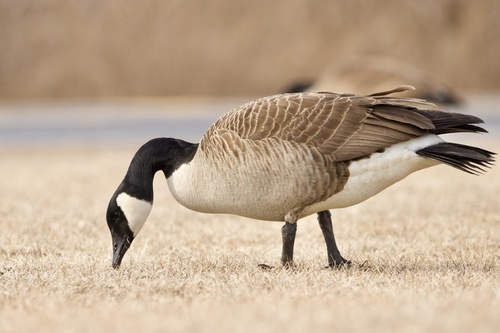
Nevada, US
You might spot Canada Goose, Antelope Bitterbrush, and Steller's Jay.
View guide →

California, US
You might spot Greasewood, Osprey, and Alkali Fly.
View guide →
Nevada, US
You might spot African Lion, Tiger, and Zebra.
View guide →
Take the discovery with you
Snap it with Snappit to identify it, learn what makes it special, and add the discovery to your collection.







.jpg&width=800)


_001.jpg&width=800)


