

Asian Spinybacked Orbweaver
thelacantha brevispina
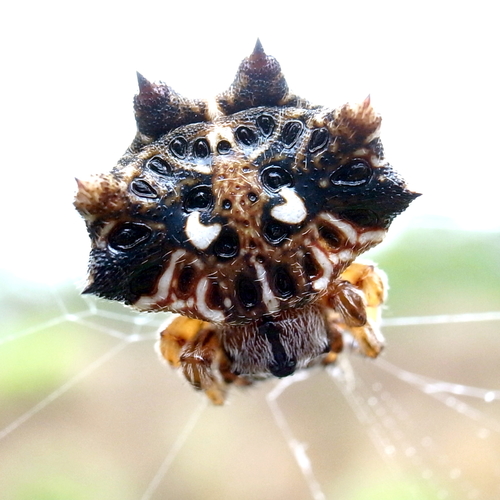
The Asian Spinybacked Orbweaver (Thelacantha brevispina) is a captivating spider renowned for its striking, crab-like appearance. Widespread across South and Southeast Asia, this small arachnid stands out due to its hardened, colorful abdomen adorned with six prominent, sharp spines. Unlike typical garden spiders, the females of this species build highly robust, vertical orb webs decorated with conspicuous white silk tufts, which may serve as a visual warning to prevent birds from flying through them. These industrious spiders are major insect predators, playing an essential role in regulating local pest populations in tropical forests, gardens, and shrubby areas. While their bizarre shape and vivid markings can make them look intimidating, they are completely harmless to humans.
Habitat: Found in tropical and subtropical woodlands, scrublands, and coastal forests, frequently weaving webs between shrubs and low tree branches.
Female Asian Spinybacked Orbweavers possess a broad, hard, crab-like abdomen that features a distinctive pattern of white, black, and orange markings, punctuated by six distinct, dark spines curving outward from the edges. The abdomen's dorsal side often displays two prominent white spots resembling eyes, contrasting sharply with the dark background. Females measure around 0.5 to 1.0 centimeter in length, whereas the cryptic males are significantly smaller, often measuring less than 0.3 centimeters, and lack the dramatic spines and bright coloration of their female counterparts.
Category
InvertebrateRarity
Common
Danger
1/5 · Very low
Snaps
3
Males are extreme underdogs in size, weighing up to 100 times less than females, and must carefully court females to avoid being eaten during mating.
The distinct 'eyespot' pattern on the back of the spider's abdomen is a form of mimicry designed to confuse and scare away potential predators.
They rebuild or patch their webs almost daily to ensure the sticky silk remains effective at trapping prey in dusty tropical environments.
The hardened abdominal exoskeleton and sharp spines make the spider difficult and unpalatable for small predators like birds and lizards to swallow.
They weave highly visible white silk tufts into their webs, which act as visual deterrents to prevent larger animals from accidentally destroying their hard work.
They can adjust their body orientation relative to the sun to absorb heat on cooler mornings or minimize direct exposure during intense tropical afternoons.
Feeds almost exclusively on small flying insects that fly into its sticky, vertical orb web.
Age differences: Spiderlings consume microscopic insects and pollen caught on the web, while adults target larger flying insects.
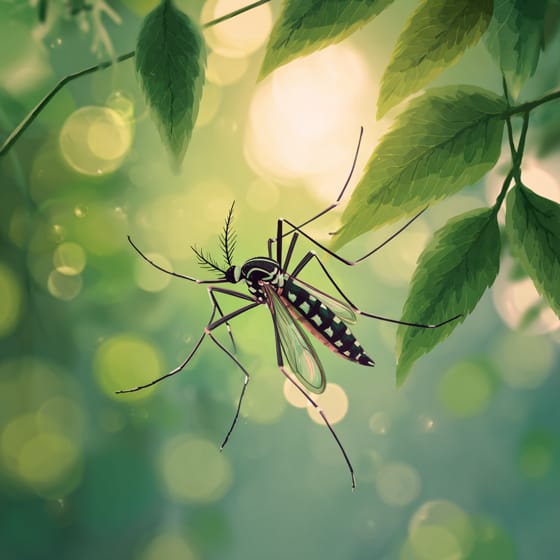
Aedes albopictus
Preys upon mosquitoes, helping control populations of disease vectors in tropical regions.
Hemidactylus frenatus
Falls prey to common tropical wall geckos that hunt near lights and foliage where webs are constructed.
Sceliphron madraspatanum
Parasitized by specialized wasps that paralyze the spider to feed their developing larvae.
No trait badges are assigned for this object yet.
No aliases listed yet.
Collections for this object will appear here as more themes are added.
Danger
1/5 · Very low
No special safety notes yet.
The easiest way to identify Asian Spinybacked Orbweaver is to use the Snappit nature identifier app.
1 cm
0.0001-0.0005 kg
1 years
Feeds almost exclusively on small flying insects that fly into its sticky, vertical orb web.
Found in tropical and subtropical woodlands, scrublands, and coastal forests, frequently weaving webs between shrubs and low tree branches.
Ambush
100-300
Zoom in to split clusters and explore where this object has been snapped.

Hawaii, US
You might spot Gold Dust Day Gecko, Yellow Tang, and Black Triggerfish.
View guide →

Hawaii, US
You might spot Gold Dust Day Gecko, Star Of Bethlehem, and Spanish Shawl.
View guide →

Hawaii, US
You might spot Hawaiian Garden Spider, Beach Naupaka, and Black Noddy.
View guide →
Take the discovery with you
Snap it with Snappit to identify it, learn what makes it special, and add the discovery to your collection.