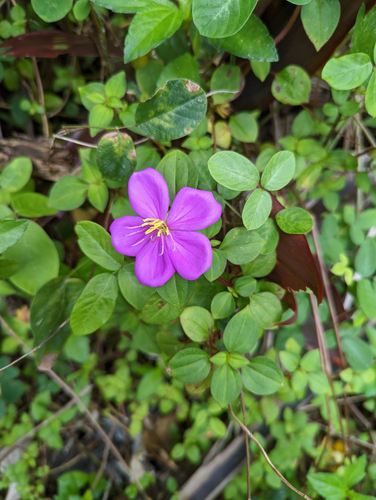

Torch Ginger

The Hawaii Tropical Botanical Garden offers an immersive journey into a vibrant rainforest paradise.
The Hawaii Tropical Botanical Garden offers an immersive journey into a vibrant rainforest paradise.
Nestled within the breathtaking Onomea Valley, just five miles north of Hilo, the Hawaii Tropical Botanical Garden is a 40-acre living sanctuary where over 2,000 species of tropical plants flourish amidst natural streams, magnificent waterfalls, and stunning ocean vistas. This non-profit garden serves as a vital nature preserve, dedicated to education and the conservation of rare and exotic flora from around the globe, providing an unparalleled experience for nature enthusiasts and photographers alike.
Visitors can wander through diverse collections, encountering nearly 200 species of palms in the towering Palm Jungle, or marveling at over 270 varieties of orchids, including vibrant Vandas and delicate Phalaenopsis, in the enchanting Orchid Garden. The iconic three-tiered Onomea Falls cascades through the landscape, alongside the tranquil Lily Lake, home to Queen Victoria water lilies and graceful koi fish. Other notable sights include the Heliconia Trail, showcasing dazzling "lobster claw" blooms, and Bromeliad Hill with its charming dwarf pineapples.
A visit to this botanical gem is more than just a walk; it's an opportunity to connect deeply with the natural world, witnessing a carefully curated tapestry of tropical biodiversity against the dramatic backdrop of Onomea Bay. Whether you're captivated by the vibrant colors of exotic flowers like beehive ginger and Tahitian ginger, the historical remnants scattered throughout the valley, or the serene beauty of the coastal views, the garden provides a memorable and enriching escape into Hawaii's lush rainforest. Turn your visit into a safari! Use the Snappit app to scan and log wildlife sightings here.
The Hawaii Tropical Botanical Garden was founded by Dan and Pauline Lutkenhouse, who discovered the beautiful 17-acre parcel in Onomea Valley in 1977 during a vacation. Inspired by the land's pristine beauty and a desire to preserve it, Dan Lutkenhouse, without formal botanical training but with immense dedication, embarked on the monumental task of transforming the overgrown jungle into a botanical garden. For eight years, until its opening in 1984, Dan meticulously cleared paths by hand, using only hand tools like cane knives, sickles, picks, shovels, and wheelbarrows to avoid disturbing the natural environment and valuable plant roots. This painstaking effort revealed hidden landscapes, including the magnificent three-tiered Onomea Falls. Today, the garden operates as a non-profit organization, continuing its mission of promoting education and preserving the valley's natural resources and diverse plant life.
Stroll along the mile-long paved and unpaved trails, discover various plant collections, photograph the waterfalls and coastal views, and enjoy birdwatching. Informative plaques throughout the garden provide details on the plants and the area's history. Consider bringing a picnic to enjoy by Onomea Bay.
As a rainforest environment, expect the possibility of rain at any time. The garden often provides umbrellas. The lushness is amplified by rainfall, making the waterfalls particularly impressive. Insect activity is common in a tropical climate, so prepare accordingly.
The initial boardwalk leading into the garden is steep, with an elevation change of about 100 feet over 500 feet in length. Mobility assistance devices such as wheelchairs, walkers, scooters, or crutches are *not* permitted on this steep section. Canes and walking sticks are allowed. While some paths in the lower garden are paved, the varied topography makes it challenging for those with significant mobility limitations. A non-electric wheelchair can be used in the lower garden, and a golf cart service is available for an additional fee to transport guests up and down the steep boardwalk.
Don't miss the dramatic three-tiered Onomea Falls, the diverse Palm Jungle with nearly 200 species, the colorful Orchid Garden featuring over 270 varieties, and the tranquil Lily Lake with its Queen Victoria water lilies. The ocean vistas overlooking Onomea Bay are also a must-see.
Each card links to a full Explore page with photos, traits, and fun facts.
Start with the big picture, then zoom in to explore individual wildlife observations around this place.
Wear appropriate footwear
** The trails can be steep and slippery, especially after rain, so comfortable walking shoes with good traction are highly recommended.
Bring insect repellent
As a tropical rainforest, mosquitoes and other insects are present. Applying repellent will make your visit more comfortable.
Prepare for rain
Carry a light rain jacket or poncho. While the garden often provides umbrellas, it's wise to be prepared for sudden showers typical of a rainforest environment.
Stay hydrated
Bring a bottle of water, especially on warmer days, as you'll be doing a fair amount of walking.
Take the scenic route
When driving, follow signs for the "Scenic Route" (Old Mamalahoa Rd) rather than solely relying on GPS, which might direct you down a less scenic and potentially rougher road.
Consider a picnic
There are benches and picnic areas, including one overlooking Onomea Bay, perfect for enjoying a packed lunch amidst stunning views.
May 21, 2022
Photo attribution
no rights reserved
License: CC0 1.0 ↗
Image may be shown cropped inside the card frame.
Jun 13, 2026
Jun 12, 2026
Jun 12, 2026
Jun 12, 2026

Maryland, US
You might spot White-Tailed Deer and Eastern Gray Squirrel.
View guide →
.jpg)
District of Columbia, US
You might spot Eastern Gray Squirrel, Duck, and House Sparrow.
View guide →

Illinois, US
You might spot American Robin, Canada Goose, and House Sparrow.
View guide →

Virginia, US
You might spot Spotted Lanternfly and Northern Cardinal.
View guide →
Take the discovery with you
Identify the wildlife you spot, learn as you go, and keep a collection of the adventure.